






Understanding Japanese Knotweed
What is Japanese Knotweed?
Japanese Knotweed (Fallopia japonica) is an invasive perennial plant native to East Asia. Known for its rapid growth and resilience, it is often characterized by its hollow stems, heart-shaped leaves, and distinctive white flowers. This plant can grow up to 3 meters high, making it a formidable opponent in gardens and landscapes. Its extensive rhizome root system can reach over 3 meters deep and spread up to 7 meters horizontally, making eradication challenging. The plant’s ability to thrive in various conditions further complicates removal efforts.
Identifying Japanese Knotweed
Identifying Japanese Knotweed early is crucial to preventing its spread. During spring, new shoots emerge, resembling asparagus, before developing into bamboo-like stems by summer. The leaves are broad, flat, and green, with a pointed tip and often develop a yellow edge in fall. Notably, in late summer, the plant produces creamy white flowers in clusters. Familiarizing oneself with these characteristics can help identify this invasive species before it takes root and spreads. It’s essential for homeowners and property managers to routinely inspect their properties for this invasive species.
Why is Japanese Knotweed a Problem?
Japanese Knotweed poses significant issues, particularly due to its rapid spread and ability to damage infrastructure. Its extensive root system can weaken foundations, damage walls, and disrupt drains, potentially leading to costly repairs. Furthermore, the presence of Japanese Knotweed can have a severe impact on property values, sometimes decreasing them by up to 20%. Additionally, the plant is known to hinder the growth of surrounding vegetation, further disrupting local ecosystems. Its classification as a controlled waste makes it illegal to uproot and discard in standard landfills, adding legal complications for homeowners and property managers.
Importance of Japanese Knotweed Removal
Impact on Property Value
The presence of Japanese Knotweed on a property can severely affect its market value. Many mortgage lenders and real estate professionals view properties infested with this invasive plant as liabilities. This can lead to difficulties in selling or refinancing the property. Furthermore, potential buyers are often deterred by the prospect of costly removal or hidden damages, leading to lower offers. Engaging in timely Japanese Knotweed Removal can mitigate these impacts and protect the property’s value over time, ensuring it remains an asset rather than a burden.
Environmental Concerns
Japanese Knotweed not only threatens property values but also disrupts local ecosystems. Its aggressive growth can overshadow native flora, reducing biodiversity and altering habitats. By invading gardens and natural landscapes, it prevents native plant species from thriving. This disruption can lead to a domino effect, ultimately affecting local fauna that rely on these native plants for food and shelter. Environmentalists advocate for effective Japanese Knotweed Removal to maintain biodiversity and protect native habitats from this invasive species.
Legal Implications of Knotweed
Failing to manage Japanese Knotweed can result in legal repercussions for property owners. The Japanese Knotweed Act necessitates that property owners actively manage and control the spread of this invasive plant. If a neighbor or local authority reports the presence of Japanese Knotweed, you may be held liable for damages or required to take immediate action to control its spread. Non-compliance can also attract fines and potential legal action, thus reinforcing the importance of prompt and effective removal strategies.
Methods for Japanese Knotweed Removal
Manual Removal Techniques
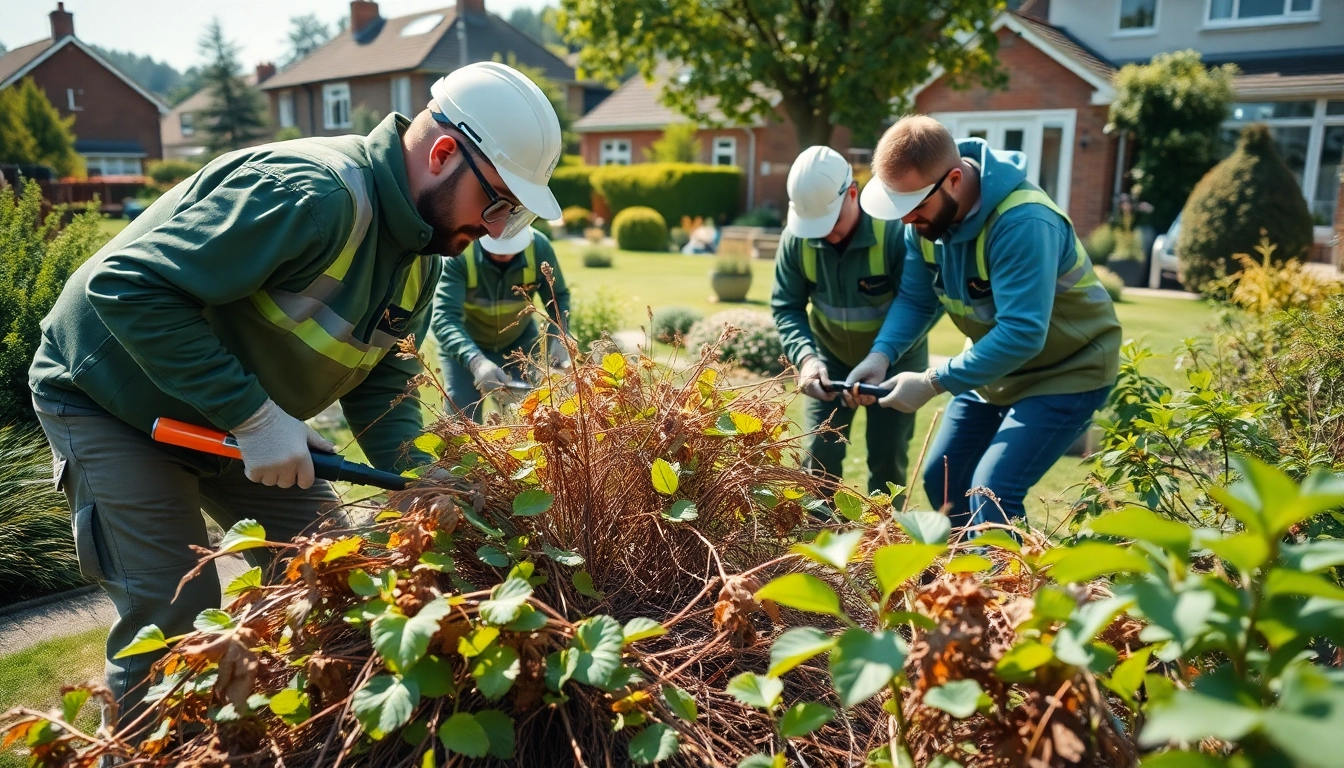
Manual removal is sometimes effective for small infestations. This method involves digging out the entire plant, including its extensive root system. It’s essential to start in late summer or early fall when the plant’s energy is concentrated in the root system. Ensure to wear protective gear and follow up by disposing of the plant material properly to prevent re-establishment. However, manual removal is labor-intensive and may not guarantee complete success due to the risk of leaving behind root fragments.
Chemical Solutions for Effective Management
Chemical treatments can provide a more effective solution for managing Japanese Knotweed infestations. Herbicides that contain glyphosate or triclopyr are commonly used, applied during the plant’s active growing season for maximum effect. It’s essential to follow manufacturer instructions strictly and consider the environmental impact of chemical applications. While chemical solutions can be highly effective, they typically require repeated applications over several seasons to fully eradicate the plant and may pose a risk to surrounding flora.
Professional Services: When to Call Experts
For larger infestations or properties facing severe infestation issues, consulting with professional Japanese Knotweed removal services is recommended. Experts can provide tailored solutions that combine manual and chemical methods, ensuring thorough removal while considering environmental factors and property specifics. Engaging professionals also offers the advantage of warranties and guarantees on their work, reducing potential liabilities for homeowners. Their expertise in navigation through legal considerations can also be remarkably beneficial.
Preventing Japanese Knotweed Regrowth
Best Practices Post-Removal
After successfully removing Japanese Knotweed, implementing best practices is vital to prevent regrowth. It is essential to monitor the area regularly for any signs of new growth and to remap the site. Consider planting competitive native species to create a resilient ecosystem that helps preclude the return of Japanese Knotweed. Maintaining a healthy environment can mitigate the chances of reinfestation, thereby fostering the recovery of native flora.
Monitoring for Future Growth
Monitoring the removed site is crucial for ongoing success in preventing Japanese Knotweed regrowth. Regular assessments should continue for at least five years post-removal, looking for emerging shoots or signs of the plant returning. Early detection allows for swift action before it re-establishes itself. Keeping a record of inspections can be helpful for tracking the effectiveness of the removal measures and planning future interventions.
Creating a Knotweed-Free Zone
Establishing a dedicated Knotweed-free zone can help prevent the invasive species from returning. This involves managing soil and landscaping in a way that discourages its growth. Using barriers such as geotextiles or root barriers can inhibit its spread into adjacent areas. Additionally, regular landscaping maintenance, including the removal of wires, can help protect surrounding vegetation from potential infestations.
FAQs on Japanese Knotweed Removal
What are the signs of Japanese Knotweed?
Signs include hollow bamboo-like stems, heart-shaped leaves, and clusters of creamy white flowers. New shoots resemble asparagus, appearing in spring.
How much does Japanese Knotweed removal cost?
The cost varies widely based on the infestation level but can range from a few hundred to several thousand dollars, depending on the method employed.
Can I remove Japanese Knotweed myself?
While manual removal is possible for small infestations, it’s often more effective and safer to hire professionals, especially for larger infestations.
How long does Japanese Knotweed removal take?
The removal process can take weeks to months, depending on the infestation size and the method used. Continuous monitoring is necessary for several years.
What chemicals are effective in controlling Japanese Knotweed?
Chemicals such as glyphosate and triclopyr are effective when applied during the growth season. Always follow application guidelines for safety.