







Understanding the Importance of Lighting Solutions
Defining Lighting Solutions and Their Impact
Lighting solutions are integral to both our personal and professional spaces, influencing not only the visibility within the environment but also overall aesthetic appeal and emotional well-being. Effective lighting can enhance productivity, set the mood, and even highlight architectural features. By employing various styles and types, we can create diverse atmospheres that cater to specific needs, whether it’s for a cozy home setting or a dynamic office environment. It’s important to understand that lighting solutions go beyond mere visibility; they are powerful tools for environment transformation.
Common Misconceptions about Lighting
Despite the importance of effective lighting, several misconceptions exist. One common misconception is that lighting is purely functional, neglecting its aesthetic qualities. While many people focus solely on illumination, the interplay of light and shadow is crucial in creating an inviting space. Another misconception is that bright lighting is always necessary; in contrast, softer, dimmed lights can enhance comfort and relaxation. Additionally, there’s often confusion regarding the idea of energy efficiency, as many people associate bright with inefficient. However, modern lighting solutions incorporate energy-efficient technologies that do not compromise on brightness.
Lighting Solutions and Atmosphere Creation
The atmosphere of a space is significantly shaped by lighting choices. Different lighting solutions can evoke various emotions—from tranquility in a bedroom with warm, soft lighting to energized productivity in a workspace with cooler, brighter lights. By utilizing a combination of ambient, task, and accent lighting, one can create a layered effect that enriches the overall atmosphere. For instance, while ambient lighting provides a general illumination, task lighting focuses light where it’s needed most, and accent lighting adds drama and focal points. Understanding how to blend these types can transform ordinary spaces into extraordinary ones.
Types of Lighting Solutions for Different Environments
Ambient, Task, and Accent Lighting Explained
Different types of lighting solutions serve unique purposes and are categorized into three main types: ambient, task, and accent lighting. Ambient lighting is the main source of light in a room, often provided by ceiling fixtures, to create a uniform glow. Task lighting is directed towards areas where activities requiring focus take place, such as reading lamps or under-cabinet lights in kitchens. Accent lighting, on the other hand, is used to highlight specific features, like artwork or architectural details, creating visual interest and depth within a space. Learning to balance these lighting types can significantly enhance the functionality and aesthetics of any environment.
Choosing the Right Lighting Solutions for Each Room
The choice of lighting solutions varies by room based on functionality and desired ambiance. In living rooms, a mix of ambient and accent lighting works well to create a welcoming space. In kitchens, effective task lighting is crucial, particularly for cooking zones where precision is needed. Bathrooms often benefit from brighter, shadow-free lighting for grooming tasks, while dining rooms can utilize dimmable lighting to set the mood for meals. By assessing the purpose of each room, homeowners can select appropriate lighting solutions that promote both comfort and efficiency.
Energy Efficiency in Lighting Solutions
Energy efficiency in lighting solutions is more important than ever, given growing environmental concerns and rising energy costs. Many modern lighting options incorporate LEDs, which use a fraction of the energy compared to traditional incandescent bulbs while providing equal or greater light output. Additionally, smart lighting solutions allow users to control brightness and even schedule lighting to reduce energy consumption when it’s not needed. By considering energy-efficient options, individuals can greatly reduce their ecological footprint while lowering utility bills.
Designing with Lighting Solutions in Mind
Integrating Lighting Solutions into Home Decor
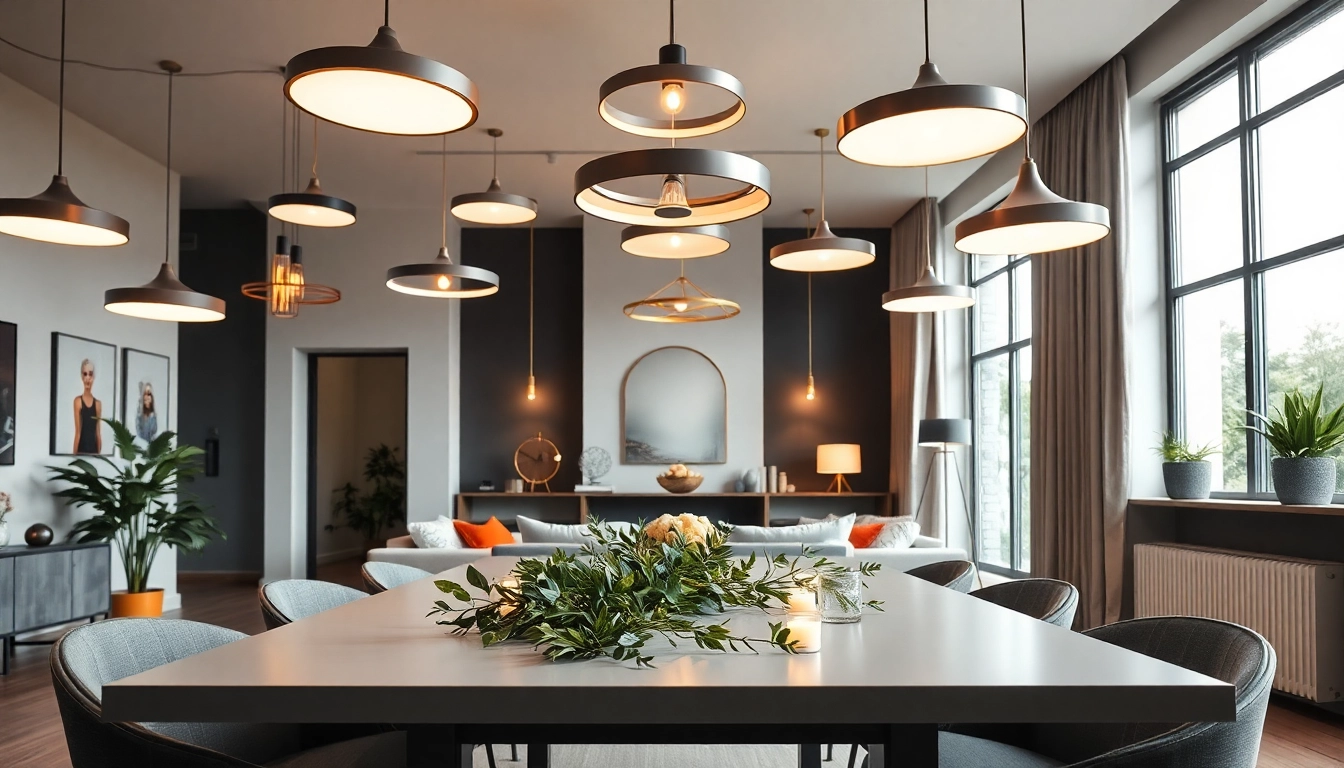
When designing a space, integrating lighting solutions into the overall decor can yield stunning results. Instead of seeing lighting as an afterthought, designers are now incorporating lighting fixtures as part of the decor itself. Statement chandeliers, unique lamps, and wall sconces can all serve as focal points, enhancing the design while providing necessary illumination. Customizing lighting to match the style—be it modern, rustic, or eclectic—creates harmony and can enhance the overall character of a room.
Using Color and Texture for Enhanced Lighting
Color and texture are significant factors in how light is perceived within a space. Lighter wall colors reflect more light, improving room brightness, while darker colors absorb light, creating a more intimate atmosphere. Moreover, the texture of surfaces can influence how light interacts within a room. Smooth surfaces tend to create a cleaner, sharper reflection, while textured materials can diffuse light, adding warmth. By understanding these elements, one can manipulate lighting to either enlarge a space visually or create cozy enclaves.
Innovative Trends in Lighting Solutions Design
The lighting industry is constantly evolving, with innovative trends emerging that emphasize both functionality and style. One significant trend is the use of smart technology, allowing users to customize lighting remotely and adjust it based on personal preferences or activities. Sustainability is also at the forefront, with many manufacturers focusing on eco-friendly materials and energy-efficient designs. Furthermore, biophilic design—incorporating elements that connect to nature—has led to the use of natural light maximization and the integration of organic shapes in lighting fixtures. These trends are shaping how we perceive and utilize lighting in our environments.
Implementing Lighting Solutions Effectively
Step-by-Step Guide to Installation
Implementing lighting solutions requires thoughtful planning and execution. Start by assessing your space and determining the purpose of each area. Once you’ve selected the appropriate types of lighting, create a layout that account for both functionality and design. When installing fixtures, follow the manufacturer’s instructions meticulously, ensuring that electrical points are handled safely. It may be beneficial to consult a licensed electrician for complex installations. Finally, spend time testing different placements to ascertain the optimal lighting arrangement before finalizing your installation.
Common Pitfalls and How to Avoid Them
Even with careful planning, common pitfalls in lighting implementation can occur. Overly bright lighting often leads to glare, making spaces uncomfortable; selecting adjustable lighting options with dimmers can prevent this issue. Another common mistake is poor placement of fixtures that may result in unwanted shadows or dark areas. To avoid this, consider the activities that will take place in the space and adjust placement accordingly. Finally, neglecting maintenance can severely impact lighting effectiveness; regular checks and bulb replacements can ensure that your lighting solutions continue to perform at their best.
Maintenance Tips for Longevity of Lighting Solutions
Maintaining your lighting solutions is crucial for their longevity and functionality. Regularly dusting light fixtures and bulbs will prevent a buildup that can dim light outputs. For outdoor fixtures, ensure that connections are protected from moisture and elements. LED bulbs, which last longer, should still be monitored as they can fail prematurely with poor installation or electrical issues. It’s also wise to periodically review the layout to determine if lighting needs have changed, allowing for adjustments that keep spaces both functional and visually appealing.
Measuring the Impact of Your Lighting Solutions
Performance Metrics for Lighting Solutions
Measuring the impact of your lighting solutions involves several performance metrics. One of the primary measures is energy consumption, as efficient lighting can greatly reduce electricity costs. Additionally, evaluate user satisfaction by observing how occupants interact with the lighting; aspects such as comfort, usability, and aesthetic appeal play a vital role. Conducting surveys or gathering anecdotal evidence can provide insights into whether the lighting fulfills its intended purpose.
Feedback: Gathering Insights from Users
Gathering feedback from individuals who experience the lighting solutions daily can provide invaluable insights. Using structured questionnaires can help capture user perceptions regarding brightness, comfort, and functionality. Discussions with occupants can also yield qualitative data that can identify potential improvements, guiding future lighting adjustments or installations. Pay attention to spontaneous feedback, as this can often reveal hidden issues or preferences that structured surveys may overlook.
Adapting and Evolving Your Lighting Solutions Strategy
As lifestyles and design trends change, it’s essential to adapt lighting solutions accordingly. Regular evaluations of how spaces are used can help determine if lighting strategies need to evolve. Innovations in technology, such as smart lighting, present opportunities to enhance user experience and efficiency continually. Remaining open to change and encouraging user input can lead to a more dynamic and functional approach to lighting that meets the present and future needs of occupants.
Frequently Asked Questions (FAQs)
What are lighting solutions?
Lighting solutions refer to various tools and techniques used to illuminate spaces effectively, including ambient, task, and accent lighting options.
How do I choose the right lighting for my room?
Select lighting based on the room’s purpose; combine ambient, task, and accent lighting to create a balanced and functional setup tailored to your needs.
What is the benefit of energy-efficient lighting?
Energy-efficient lighting reduces electricity consumption, lowers utility bills, and contributes to environmental sustainability without compromising brightness.
How can I maintain my lighting fixtures?
Regularly dust fixtures, check electrical connections, replace bulbs when necessary, and evaluate setups to ensure optimal performance and longevity.
Why is lighting important in design?
Lighting shapes the mood and functionality of a space, influencing perception, enhancing aesthetics, and improving usability across different environments.