







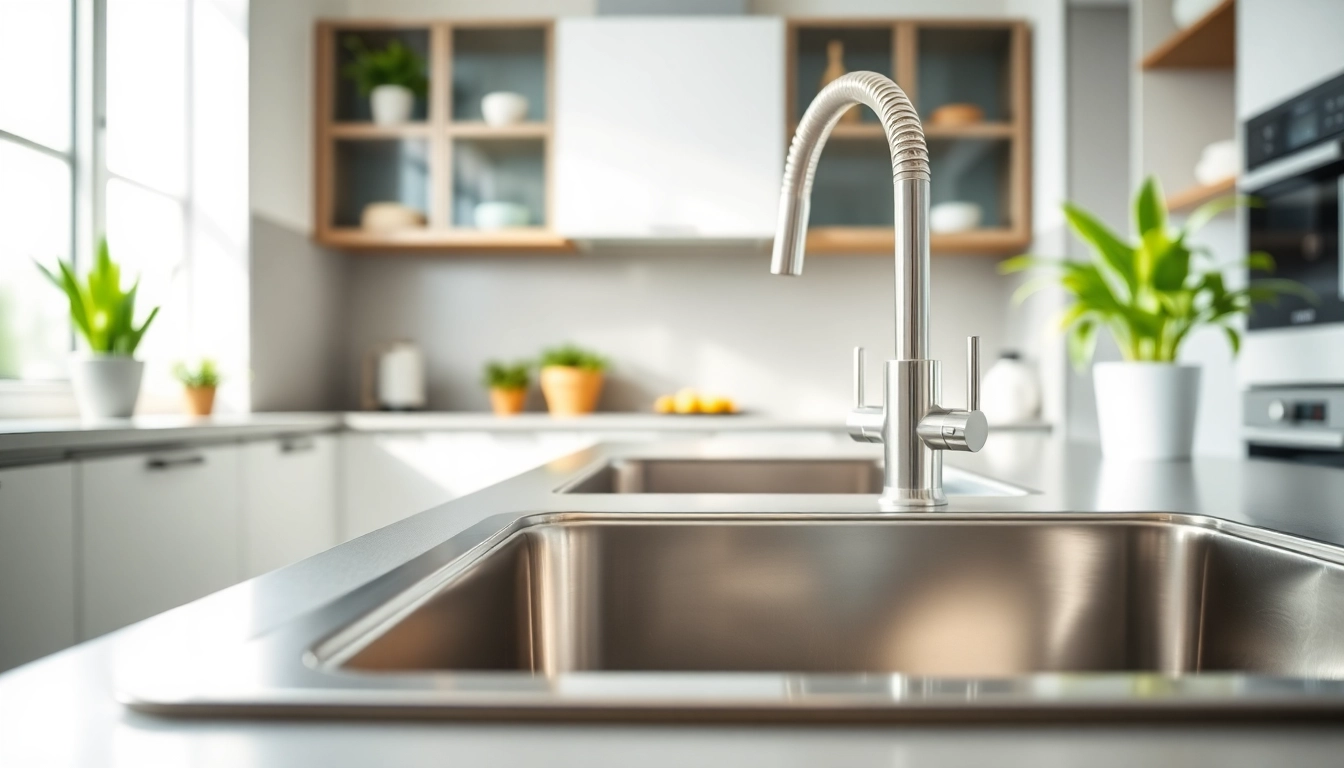
Understanding Steel Sink Variations
Types of Steel Sink Designs
The steel sink comes in various types and designs, catering to different kitchen styles and functional needs. The two primary types of steel sinks are undermount and top mount. An undermount sink is installed beneath the counter, creating a seamless look and making it easier to clean the countertop. Top mount sinks, also known as drop-in sinks, sit on top of the counter and are easier to install, making them a popular choice for DIYers.
Other designs include single basin, double basin, and farm-style sinks. Single basin sinks provide a spacious area for washing larger pots and pans, while double basin sinks allow for multitasking, such as washing dishes and rinsing vegetables simultaneously. Farm-style sinks, or apron-front sinks, are deeper and create a more traditional look, often serving as a focal point in the kitchen.
Benefits of Choosing Steel Sink
Choosing a steel sink brings numerous advantages. These sinks are known for their durability, resistance to heat, and ability to withstand hard impacts. Unlike porcelain or ceramic, steel does not easily crack or chip, making it ideal for a bustling kitchen environment.
Another benefit is their hygiene factor. Stainless steel is non-porous, which means it does not harbor bacteria and is easy to clean. This makes it a perfect choice for food preparation areas as it minimizes health risks. Additionally, the sleek and modern appearance of a steel sink complements various kitchen styles, from contemporary to industrial, enhancing the overall aesthetic of your space.
Common Features in Steel Sink Models
Different models of the steel sink offer varying features that enhance functionality and convenience. Soundproofing pads, often adhered to the bottom of the sink, reduce noise from running water and clattering dishes, making it more pleasant to use. Some sinks come with built-in accessories such as cutting boards, colanders, and racks that elevate the sink’s functionality.
Another common feature is the finish of the steel. Options like brushed, polished, or matte finishes can affect the sink’s appearance and maintenance level. Brushed finishes are generally more resistant to fingerprints and water spots, while polished ones can appear more luxurious but may require more maintenance to keep clean.
Installing Your Steel Sink
Tools Required for Steel Sink Installation
Installing a steel sink is a straightforward process if you have the right tools. Essential tools include a wrench, screwdrivers, a level, measuring tape, and a silicone sealant. A utility knife may also be useful for cutting out any existing countertop fixtures if you are replacing an old sink. If you’re working with an undermount sink, a specialized mounting kit may also be necessary, depending on your countertop materials.
Step-by-Step Steel Sink Installation Guide
Installing a steel sink involves several key steps:
- Prepare the Area: Clear out the sink cabinet and shut off the water supply.
- Remove the Old Sink: Disconnect the plumbing and remove the old sink. This may require cutting through sealants.
- Measure and Cut: If you’re installing an undermount sink, ensure your countertop is properly cut to fit. Use a level to check the alignment.
- Install the Sink: Place the sink into the cutout from below and secure it with mounting clips (for undermount) or drop it in place for top mount installations.
- Seal the Edges: Apply silicone sealant around the edges where the sink meets the countertop to prevent water leaks.
- Reconnect Plumbing: Attach the drain assembly and reconnect water supply lines.
- Test for Leaks: Turn on the water and check under the sink for any leaks.
Common Installation Mistakes to Avoid
While installing a steel sink may seem simple, there are common pitfalls to avoid. One mistake is not sealing the edges properly, which can lead to leaks and water damage. Another error is over-tightening the mounting clips, potentially bending the sink, causing undue stress and risk of damage.
It’s also critical to measure twice before cutting; miscalculations can result in an improper fit. Finally, neglecting to check the manufacturer’s instructions can lead to installation errors, particularly regarding specific mounting requirements and plumbing setups.
Maintaining Your Steel Sink
Daily Cleaning Tips for Steel Sink
To keep your steel sink shining daily, it’s essential to implement a consistent cleaning routine. Use warm water and mild dish soap to clean the sink after each use. Avoid abrasive cleaners and scrubbers, as they can scratch the surface.
Additionally, after cleaning, it’s a good practice to wipe down the sink with a dry cloth to prevent water spots. A quick pass with a gentle mixture of vinegar and baking soda can effectively eliminate odors and create a fresh shine.
Dealing with Stains on Steel Sink
To address stains on your steel sink, first try a paste of baking soda and water. Gently rub this paste on the stained area with a soft cloth, allowing it to sit for a few minutes before rinsing. For tougher stains, a diluted vinegar solution can work wonders.
For stubborn discolorations, consider using a specialized stainless steel cleaner. However, exercise caution and always follow the manufacturer’s instructions to maintain the sink’s finish.
Long-term Maintenance for Optimal Durability
Long-term care of your steel sink involves more than just routine cleaning. Regularly inspect for signs of wear, including scratches or dull spots. Early recognition allows for timely maintenance, such as polishing or refinishing.
Additionally, consider applying a protective coating or polish designed for stainless steel to provide an extra layer of protection while enhancing shine. Ensuring your sink remains dry after use will help prevent rust and preserve its look.
Upgrading Your Kitchen with Steel Sink
Choosing the Right Steel Sink for Your Space
When it comes to upgrading your kitchen with a steel sink, selecting the right model necessitates considering the kitchen’s layout and your lifestyle. Measure your existing countertop to determine the appropriate size for the new sink. Additionally, consider how frequently you’ll use the sink—larger households may benefit from double basin designs.
Think about the depth of the sink as well—deeper sinks can be more effective at containing messes, while shallower versions may suit a minimalist aesthetic.
Design Considerations for Steel Sink
Design aspects of a steel sink extend beyond mere functionality; they can significantly alter the kitchen’s overall feel. Choose a finish that aligns with your kitchen aesthetic—brushed finishes tend to be more modern, while polished sinks may add an elegant touch.
Consider the integration of your faucet and counter material with the sink design as well. A cohesive look can be achieved by matching the sink with fixtures and accessories in a similar finish.
Trendy Accessories to Pair with Steel Sink
Enhance the functionality and style of your steel sink with trendy accessories. Dividers can help manage space more efficiently within the sink, enabling multitasking such as washing and soaking at the same time. A cutting board that fits over one side of the sink can create an efficient food prep area.
Colanders that fit snugly into the sink can be excellent for washing vegetables and draining pasta without cluttering your counter. Finally, stylish sink mats can add an extra layer of protection while providing a stylish touch.
Frequently Asked Questions About Steel Sink
What is the lifespan of a steel sink?
A steel sink can last over 20 years with proper care. Regular cleaning and maintenance are key to longevity.
Are steel sinks prone to scratching?
While steel sinks can scratch, high-quality options resist scratches better and can be polished out.
Can I install a steel sink myself?
Yes, with the right tools and instructions, you can install a steel sink yourself, though professional help is advisable.
Do steel sinks require special cleaning products?
It’s best to use gentle cleaners for steel sinks to avoid discoloration or damage to the surface finish.
How do I prevent rusting on my steel sink?
Prevent rust by regularly drying your sink after use and avoiding prolonged exposure to moisture and harsh chemicals.