







Understanding the Cape Cod Home Aesthetic
Historical Context of Cape Cod Homes
The cape cod home style originated in the early 17th century, characterized by its simple, functional, and adaptable design. The early settlers brought this architectural style to the New England coast, where the environment demanded practicality due to harsh weather conditions. The homes were typically one or one-and-a-half stories, built from local timber and shipbuilding materials, designed to withstand heavy snowfall and winds. Over the centuries, the Cape Cod style has evolved while preserving its essential elements, making it a lasting representation of American architecture.
Key Architectural Features
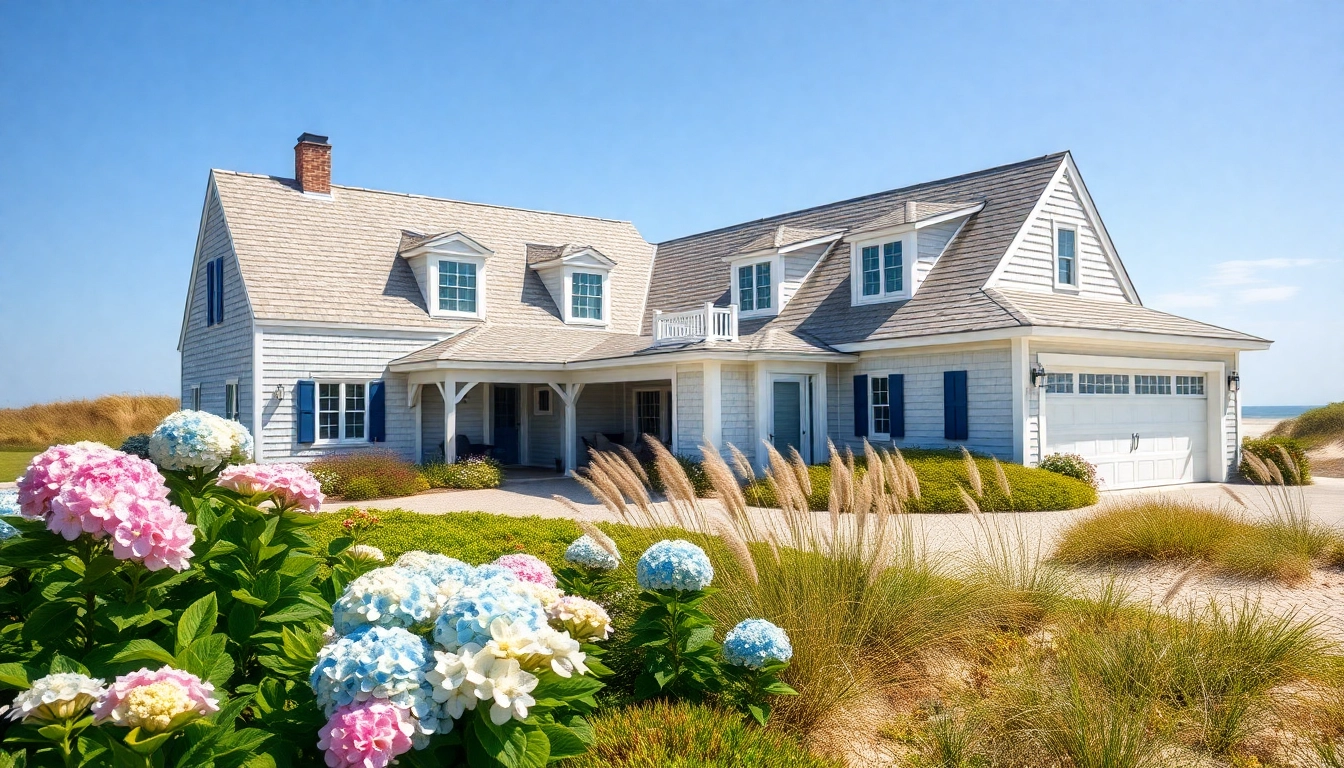
Distinctive features of the Cape Cod home include steep roofs, symmetrical facades, dormer windows, and front-facing gables. Clad in wood siding, these homes often exhibit a natural color palette that blends with the coastal environment. The interiors are usually designed with open floor plans, maximizing space and natural light. Fireplaces, often centrally located, provide warmth and serve as a focal point in the living areas. This functional and aesthetic harmony embodies the essence of the Cape Cod home.
Modern Adaptations of the Cape Cod Style
Today’s Cape Cod homes often integrate modern technologies while respecting traditional aesthetics. Architects and homeowners are increasingly using sustainable materials and energy-efficient designs to enhance comfort without sacrificing style. This includes larger windows for better light and ventilation, as well as open-plan layouts that embrace modern living. The simple elegance of the Cape Cod home continues to inspire new generations, with adaptations that maintain the style’s classic appeal while embracing contemporary needs.
Planning Your Cape Cod Home Expansion
Assessing Space and Functional Needs
When planning an expansion, the first step is assessing your current space and determining your needs. Consider factors such as family size, lifestyle changes, and future plans. A well-planned expansion should not only address the need for additional space but also improve functionality. Think about how each area of your home is utilized and whether an expansion could create better flow and accessibility. Consulting with a professional can provide valuable insights into optimizing your floor plan while preserving the essence of your cape cod home.
Budget Considerations and Financing Options
Budgeting for a home expansion is crucial. Begin by estimating the total cost, including materials, labor, permits, and unexpected expenses. It’s wise to allocate a contingency fund, typically 10-20% of your overall budget, to cover unforeseen issues. Explore various financing options such as home equity loans, personal loans, or refinancing options. Understanding your financial landscape will empower you to make informed decisions that align with your expansion goals and capabilities.
Choosing the Right Design Elements
Choosing design elements that align with the Cape Cod aesthetic is essential for a harmonious expansion. Opt for materials, colors, and architectural features that complement your existing home. Natural wood, shingles, and neutral color palettes are commonly associated with Cape Cod styles. Incorporate modern needs discreetly through innovative design that enhances the traditional elements, ensuring that your expansion seamlessly blends with the classic features of your cape cod home.
Enhancing Curb Appeal of Your Cape Cod Home
Landscaping Tips for Coastal Homes
Landscaping plays a vital role in enhancing the curb appeal of your Cape Cod home. Utilize native plants that thrive in coastal environments, as they require less maintenance and irrigation. Incorporating elements like stone walkways, wooden fences, and natural gardens can add character while improving the aesthetic. Consider creating outdoor living spaces that reflect the coastal lifestyle, encouraging relaxation and community.
Color Schemes that Complement the Architecture
The color palette for a Cape Cod home renovation should be inspired by the surrounding landscape. Soft blues, sandy beiges, and muted greens harmonize beautifully with the coastal setting. Light colors not only enhance curb appeal but also maintain a traditional feel. Consider using darker hues on shutters or doors to add contrast while maintaining the architectural integrity of your cape cod home.
Lighting and Outdoor Features
Outdoor lighting is essential for aesthetic and safety reasons. Choose fixtures that complement the overall style of your home, such as classic lanterns or wall-mounted sconces. Highlighting pathways, landscape features, and architectural details can create a welcoming ambiance. Additionally, incorporating outdoor seating areas or pergolas allows you to enjoy the beauty of your surroundings, making your home a cozy retreat.
Incorporating Sustainable Practices
Energy Efficiency in Cape Cod Home Designs
Energy efficiency is a significant consideration for modern Cape Cod home designs. Ensure proper insulation, especially in attics and basements, to reduce heating and cooling costs. Using double-glazed windows enhances thermal performance, maintains historical aesthetics, and reduces energy consumption. Implementing smart home technology can also increase efficiency, allowing homeowners to monitor energy use and improve comfort.
Eco-Friendly Materials and Resources
Selecting sustainable materials for your renovations reinforces eco-friendly practices. Look for reclaimed wood, bamboo, or composite materials made from recycled products. These resources not only contribute to a reduced carbon footprint but also enhance the overall durability and aesthetic appeal of your Cape Cod home. When possible, choose local suppliers to minimize transportation impacts, further supporting sustainable practices.
Long-Term Benefits of Sustainable Living
Embracing sustainability offers long-term benefits beyond energy savings. Eco-friendly homes typically enjoy higher resale values due to growing consumer interest in green living. Additionally, reducing environmental impact fosters a healthier living space and promotes the conservation of local ecosystems. By adopting sustainable practices in your home expansion, you contribute positively to the community and inspire others to follow suit.
FAQs about Cape Cod Home Expansions
What are the unique features of Cape Cod homes?
Unique features include steep roofs, dormer windows, centered gables, wood siding, and open floor plans that maximize space and light.
How do I plan a budget for my home expansion?
Begin by estimating costs for materials, labor, and permits. Include a contingency fund of 10-20% to cover unforeseen expenses.
What landscape features enhance a Cape Cod home?
Incorporate native plants, stone pathways, and cozy outdoor seating areas that reflect coastal living to enhance your Cape Cod home’s curb appeal.
How can I make my renovations eco-friendly?
Use reclaimed materials, install energy-efficient windows, and opt for sustainable practices like proper insulation and solar energy installations.
What permits do I need for home expansion projects?
Permitting requirements vary by location but typically include building permits, zoning approvals, and inspections. Always check with local authorities.