








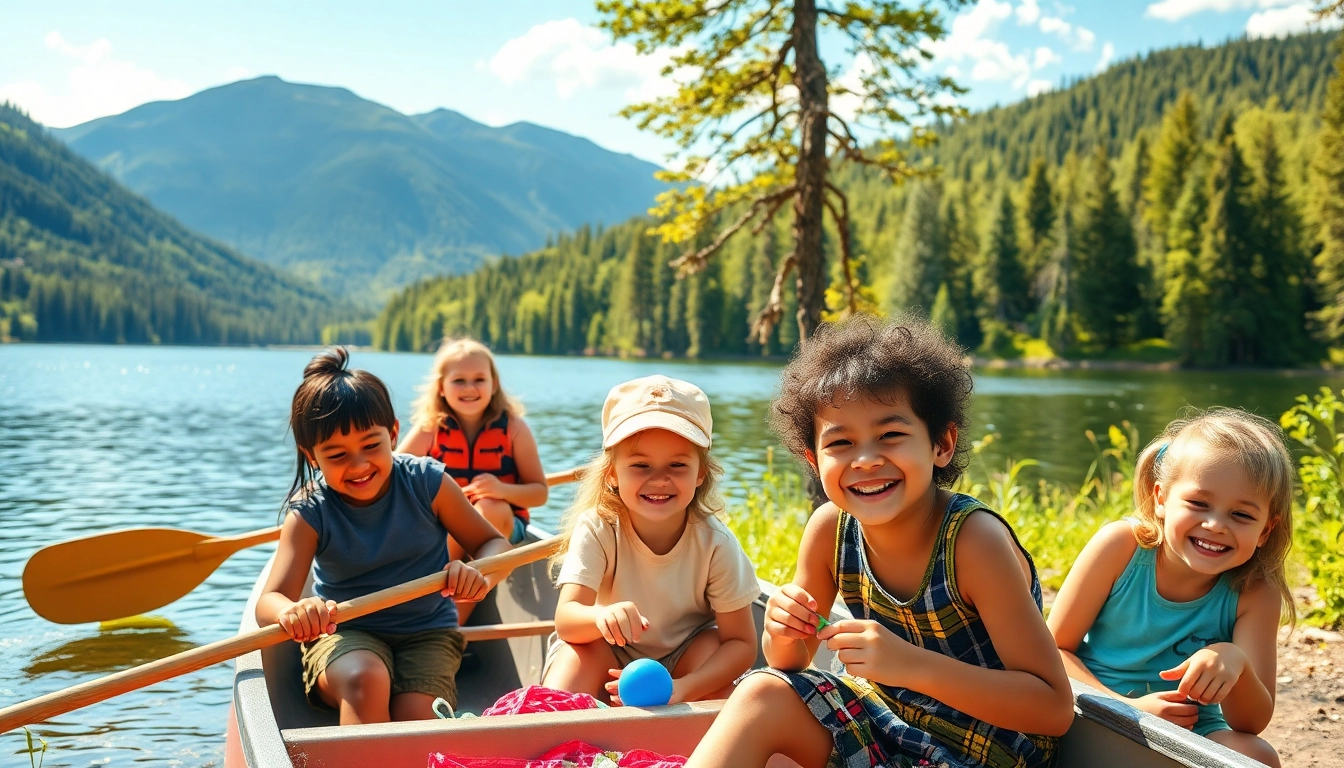
Understanding Residential Summer Camps
Definition and Overview of Residential Summer Camps
Residential summer camps provide immersive experiences where children stay away from home for extended periods, usually participating in diverse activities under professional supervision. Often dubbed sleepaway camps, these establishments allow children to engage fully in a variety of programs while living in a communal environment. The concept revolves around a structured schedule of activities that promotes both educational growth and recreational enjoyment. For parents considering these enriching environments, residential summer camps offer a golden opportunity for children to explore new interests and friendships.
Benefits of Attending Residential Summer Camps
Enrolling in a residential summer camp yields countless advantages. Firstly, children develop independence as they navigate life away from home. This self-reliance fosters confidence and resilience, essential traits for effective personal development. Additionally, campers bond with peers through shared experiences, enhancing their social skills and emotional intelligence.
Another substantial benefit lies in the exposure to diverse activities. From creative arts to STEM-based programs and outdoor adventures, children discover new passions and build invaluable life skills. Furthermore, camps operate in nature-rich environments which promote physical activity and appreciation for the environment, creating an ideal backdrop for learning and exploration.
Types of Programs Offered
Residential summer camps provide a plethora of programs tailored to different interests and age groups. Traditional camps typically offer a mix of outdoor activities such as hiking, swimming, and climbing, promoting physical fitness and connection with nature. Other camps may focus on specialized themes, including:
- Sports Camps: Concentrated training in specific sports, often led by experienced coaches.
- Art and Creative Camps: Encouraging creativity through art, drama, and music.
- Science and Technology Camps: Fostering interests in coding, engineering, and robotics.
- Adventure Camps: Specialized in outdoor challenges like rock climbing, kayaking, and wilderness survival.
The variety available ensures that there is a perfect fit for every child, enabling them to engage in activities that resonate with their interests.
Choosing the Right Residential Summer Camp
Factors to Consider When Selecting a Camp
Choosing the right residential summer camp requires careful consideration of multiple factors. Parents should assess the camp’s focus, whether it be arts, sports, or outdoor adventures. Additionally, consider the camp’s location: proximity can be essential for first-time campers or those hesitant about being away from home for long.
Further, evaluate the camp’s culture. Some camps emphasize tradition and structure, while others prioritize creativity and flexibility. Another critical factor is the camp’s length of stay—options can range from a few days to several weeks—which can affect the camp experience significantly.
How to Assess Camp Programs and Activities
To ensure a high-quality experience, parents should closely examine the specifics of camp programs. Investigate the activities offered and determine if they align with your child’s interests and abilities. Additionally, inquire about the camper-to-staff ratio to ensure personalized attention and safety. A well-structured schedule should include exciting and educational opportunities to keep children engaged throughout their stay.
Importance of Camp Accreditation and Safety Standards
Before finalizing a camp choice, parents should verify that the camp adheres to established safety and accreditation standards. Accreditation from recognized organizations indicates that the camp meets operational and safety protocols, ensuring a secure environment for campers. This includes training for staff, health and wellness measures, and emergency procedures, providing peace of mind for parents and ensuring a safer experience for children.
Preparing for Residential Summer Camps
Packing Essentials for Campers
Preparation to attend residential summer camps should begin with efficient packing. Essential items include:
- Clothing: Weather-appropriate outfits for various activities, including swimwear and sturdy shoes.
- Toiletries: Personal hygiene supplies, including biodegradable soap and sunscreen.
- Bedding: In most cases, campers will need sleeping bags or bedding as per camp guidelines.
- Comfort Items: Items like a favorite stuffed animal, journal, or photographs can ease homesickness.
Pre-Camp Preparations for Parents and Kids
Before departing, communication between parents and children is paramount. Discuss what to expect, encouraging children to express their feelings about attending camp. Orientation sessions or meet-and-greets can help familiarize campers with the environment and address any anxieties. This preparation helps set positive expectations and can greatly enhance their sense of security upon arrival.
Emotional Readiness for First-Time Campers
The emotional readiness of first-time campers significantly impacts their experience. Introduce the idea of camp gradually, emphasizing the fun and independence they will gain. Role-playing can also help simulate common scenarios they might encounter, such as making new friends or handling minor challenges. Encouraging children to voice their concerns and questions can make an important difference in alleviating pre-camp jitters.
Making the Most of the Residential Summer Camps Experience
Building Friendships and Social Skills
One of the most significant aspects of attending residential summer camps is the opportunity to forge friendships. Being placed in group settings encourages teamwork and communication, critical components of social skills development. Through shared activities and experiences, campers learn the value of diverse perspectives and cooperation.
Exploring Nature and Outdoor Skills Development
Outdoor experiences are central to the mission of residential summer camps. Campers have the chance to engage in activities such as hiking, canoeing, and wildlife education, each promoting environmental awareness. The skills they acquire—like navigation, survival techniques, and appreciation for ecosystems—mark their development as responsible individuals who respect the natural world.
Creating Lasting Memories and Lessons Learned
Residential summer camps are not just about activities; they craft memories that last a lifetime. The friendships, challenges faced, and accomplishments achieved contribute not only to the fun of camp but also to personal growth. Many campers return home with greater confidence, improved social skills, and lifelong friendships, along with stories to share for years to come.
FAQs About Residential Summer Camps
What is the age range for residential summer camps?
Residential summer camps typically cater to children aged 6 to 18, depending on the camp’s focus.
Are residential summer camps co-ed?
Many residential summer camps are co-ed, allowing boys and girls to participate together in a supportive environment.
What should my child bring to residential summer camp?
Kids should pack appropriate clothing, toiletries, bedding, and personal items as specified in the camp’s packing list.
How can I ensure my child is safe at camp?
Ensure camp accreditation, staff qualifications, and observe safety protocols to guarantee a secure environment for your child.
What types of activities can my child expect?
Activities vary by camp but often include arts and crafts, sports, hiking, swimming, and outdoor education opportunities.