







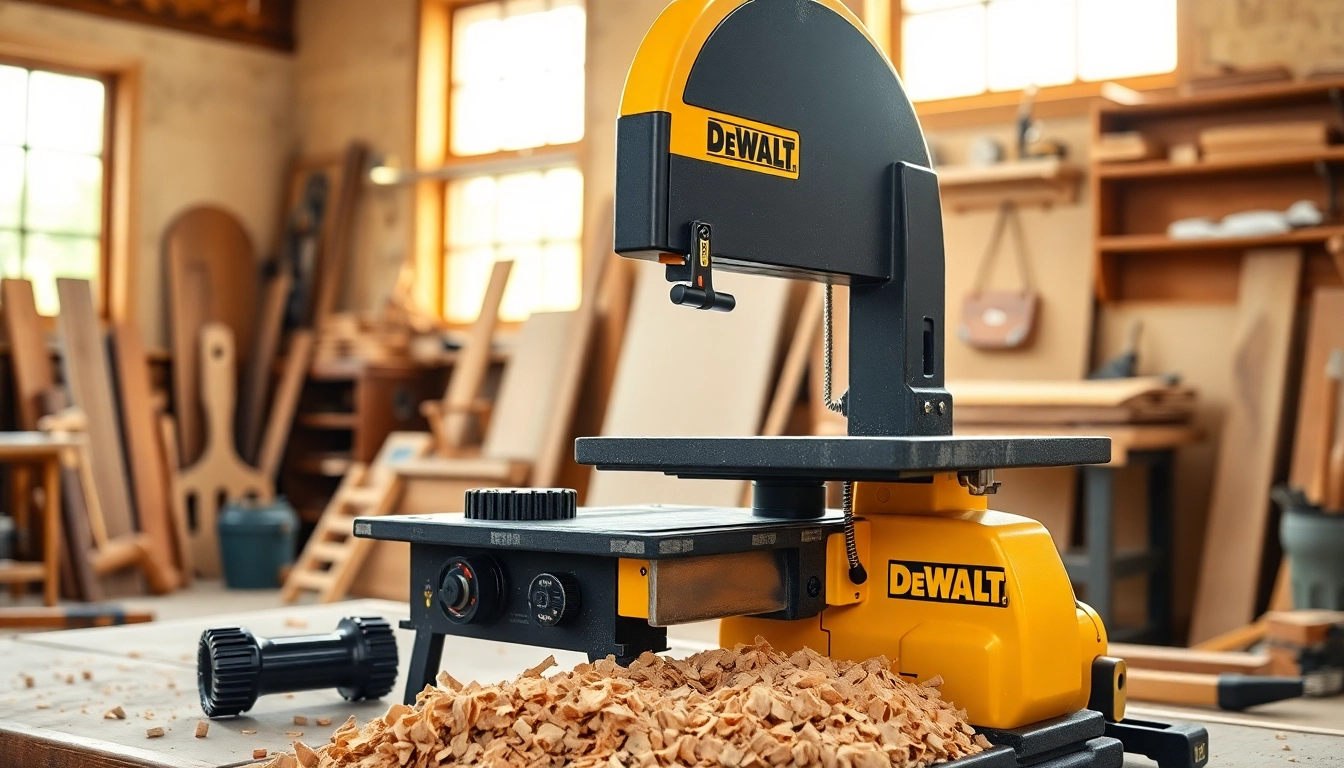
Understanding the DeWalt Band Saw
What is a DeWalt Band Saw?
The DeWalt band saw is a crucial tool designed for cutting various materials, including wood, metal, and even plastics, with precision and ease. Featuring a continuous blade that runs over two or more wheels, band saws are known for their ability to make intricate cuts and slices without excessive effort or waste. This versatility makes the DeWalt band saw an essential asset for professionals and DIY enthusiasts alike. With a reputation for durability and performance, DeWalt has carved out a significant space in the woodworking and metalworking markets, providing tools that are both powerful and user-friendly.
Key Features of the DeWalt Band Saw
The DeWalt band saw boasts a range of features that set it apart from its competitors. Key specifications typically include:
- Variable Speed Control: Allows operators to adjust the blade speed according to the material being cut, enhancing the precision of the cut.
- High-Quality Blade: DeWalt often includes high-performance blades designed for specific tasks, ensuring clean cuts and minimal wear.
- Portability: Many models are designed to be lightweight yet robust, making them easy to transport to various job sites.
- Integrated Work Light: Ensures visibility in low-light conditions, which is critical for intricate cutting tasks.
- Adjustable Table: Provides flexibility when cutting angles and sizes, enhancing operational versatility.
- Robust Build Quality: DeWalt is known for its durable construction, ensuring the tools can withstand tough job site conditions.
These features combine to provide users with a tool that not only performs under stress but also offers ease of use, making it suitable for both beginners and seasoned professionals.
Applications and Uses of DeWalt Band Saw
The DeWalt band saw is incredibly versatile, making it ideal for a wide array of applications:
- Woodworking: Perfect for making straight cuts, curves, and intricate designs in various wood types.
- Metalworking: Suitable for cutting through different metals, enabling metal fabricators to create parts and components.
- Plastic Fabrication: Effective in cutting plastics, valuable for hobbyists and professional manufacturers alike.
- Construction: Used on job sites for framing and other wood tasks, providing agility and precision.
- Restoration Projects: Great for cutting custom pieces to restore furniture and other wooden items.
Whether you are crafting intricate designs in wood or managing a construction project, the DeWalt band saw provides the reliability and performance needed to get the job done effectively.
Setting Up Your DeWalt Band Saw
Essential Tools for Assembly
Setting up your DeWalt band saw requires minimal tools. Generally, you will need:
- Hex keys (often provided with the band saw)
- A screw driver for any assembly
- A measuring tape for proper alignment and setup
- Safety goggles to protect your eyes while working
- Work gloves for handling the saw and materials safely
Having these tools at hand will facilitate a seamless assembly process, ensuring you can get started on your cutting tasks without delay.
Step-by-Step Setup Guide
To set up your DeWalt band saw, follow these essential steps:
- Unpack the Saw: Carefully remove the band saw from its packaging, checking for all included parts and tools.
- Assemble the Stand: If your model includes a stand, follow the manufacturer’s instructions to assemble it securely.
- Attach the Blade: Install the band saw blade according to the manufacturer’s guidelines, ensuring it is aligned properly.
- Adjust Tension: Properly tension the blade to prevent any slipping during operation. A correctly tensioned blade will also improve the quality of the cuts.
- Set Table Height: Adjust the table height for optimal comfort based on your personal working situation.
- Test the Alignment: Perform a quick test cut on scrap material to ensure that everything is aligned correctly. Make adjustments as necessary.
Following these steps will help you maximize the performance of your DeWalt band saw, ensuring a successful cutting experience from the very first use.
Safety Precautions and Best Practices
Using a band saw comes with inherent risks, so it is essential to observe safety precautions:
- Always wear safety goggles to protect your eyes from flying debris.
- Use hearing protection, especially in noisy job conditions.
- Keep hands at a safe distance from the blade while cutting.
- Ensure the workspace is clear of clutter to avoid accidents.
- Never attempt to saw small pieces without a proper guide.
- Regularly check the blade for wear and replace it when necessary.
- Unplug the saw when changing blades or making adjustments.
These best practices are crucial for ensuring a safe and effective cutting experience with the DeWalt band saw.
Mastering Techniques with the DeWalt Band Saw
Basic Cutting Techniques
Mastering the DeWalt band saw involves understanding fundamental cutting techniques:
- Straight Cuts: Use a straight edge or guide to help ensure accuracy when making straight cuts. Keep your hands away from the blade and move slowly for precision.
- Curved Cuts: For intricate curves, allow the saw to do the work rather than forcing the material through the blade. Move gently and gradually, guiding the material instead of pushing it.
- Repetitive Cuts: Utilize a stop block to ensure uniformity when making multiple cuts of the same length.
Practicing these basic techniques will improve your confidence and ability to handle more complex cutting tasks with your DeWalt band saw.
Advanced Techniques for Precision Cuts
Once you are comfortable with the basics, you can try these advanced techniques:
- Resawing: This technique involves cutting thick lumber into thinner slices. Keep the blade tensioned correctly and ensure alignment to achieve the best results.
- Cutting Angles: Use the adjustable table feature to perform angled cuts. Always secure your workpiece to prevent movement during cutting.
- Using Different Blades: Experiment with different blade types and teeth configurations based on the material you are cutting for optimal performance.
These advanced techniques enable you to unlock the full potential of your DeWalt band saw, allowing for increased creativity and efficiency in your projects.
Troubleshooting Common Issues
Issues can arise during operation, and knowing how to troubleshoot is key:
- Blade Drift: If the blade is veering off course, check alignment, blade tension, and the wear on the blade.
- Burning Wood: This may indicate a dull blade or excessive feed speed. Adjust as needed to maintain clean cuts.
- Poor Cut Quality: Inspect the blade for damage and ensure it is suitable for the material being cut.
Addressing these common issues will keep your DeWalt band saw functioning optimally, resulting in better work quality and less downtime.
Maintenance Tips for Your DeWalt Band Saw
Regular Cleaning and Care
Maintaining your DeWalt band saw is crucial for its longevity and performance:
- Clean the saw regularly to remove dust, debris, and sawdust accumulation that can hinder performance.
- Inspect and clean the blade guide bearings for smooth operation.
- Lubricate parts as recommended by the manufacturer to ensure smooth motion and longevity.
A regular maintenance schedule will promote a longer lifespan of the DeWalt band saw and ensure that it operates safely and efficiently.
Replacement Parts and Upgrades
Keeping your DeWalt band saw in top shape sometimes requires replacing parts or upgrading:
- Blade Replacement: Change the blade frequently based on usage. Having multiple blades for different materials can enhance versatility.
- Guide Bearings: These may need to be replaced periodically as they wear out over time, impacting precision.
- Aftermarket Accessories: Consider investing in additional jigs, fences, or miter gauges for enhanced cutting capabilities.
By upgrading components as necessary, you can significantly improve the overall performance of your DeWalt band saw.
Extending the Life of Your DeWalt Band Saw
To ensure the longevity of your DeWalt band saw, implement some best practices:
- Store in a dry, clean area away from dust and moisture that can damage components.
- Use the saw within its design specifications to avoid strain.
- Perform routine checks on electrical components to ensure they are in proper working order.
Taking these preventive measures will serve to extend the life of your DeWalt band saw, maximizing your investment.
Maximizing Performance with the DeWalt Band Saw
Customizing Settings for Different Projects
Every project may require different settings; customizing your DeWalt band saw is key:
- Speed Adjustments: Change the blade speed depending on material density and thickness to prevent material burning.
- Blade Choice: Select the right blade type and width based on the specific cutting task for optimal performance.
Customization enhances cutting efficiency and quality, yielding professional results in your work.
Measuring and Adjusting Cuts for Accuracy
Accuracy is critical in every cutting task. Here’s how to ensure you’re achieving it with your DeWalt band saw:
- Use a Measuring Tape: Always measure twice before cutting to minimize material waste and ensure precision.
- Mark Clearly: Use a straight edge and dedicated marker to outline cutting lines for guidance.
- Adjust the Table Angle: Make precise adjustments based on the desired angle cuts to ensure accuracy.
Such practices aid in achieving the best results while using your DeWalt band saw, enabling you to create high-quality finished products.
Comparing Performance Metrics with Other Tools
When assessing the performance of your DeWalt band saw, it’s essential to compare its metrics against other similar tools. Factors to consider include:
- Cutting Speed: The DeWalt band saw typically offers superior speed which can save time on larger projects.
- Blade Longevity: Evaluating how often you need to replace blades can impact overall operating costs.
- Precision of Cuts: Compare the smoothness and accuracy of your cuts against other models to gauge your DeWalt band saw’s effectiveness.
This comparison allows you to validate the capabilities of your DeWalt band saw against your project’s demands and ensures you are achieving the desired results.
In conclusion, the DeWalt band saw stands out as a vital tool for both amateurs and professionals, providing a blend of versatility, reliability, and performance. With proper setup, technique mastery, and regular maintenance, you can leverage the full potential of this industrial-grade tool. For comprehensive resources and high-quality tools like the DeWalt band saw, consider reaching out to Mister Worker and explore their extensive offerings to enhance your toolkit and maximize your capabilities.