






Introduction to Ride on Toys
In the world of children’s play, few items are as engaging and exciting as ride on toys. These dynamic toys not only provide hours of immersive fun but also foster vital developmental skills in young children. As parents seek the best options for their kids, understanding the intricacies and benefits of ride on toys becomes paramount. This article will guide you through what ride on toys are, their advantages for child development, and how to choose the right ones for varying age groups.
What are Ride on Toys?
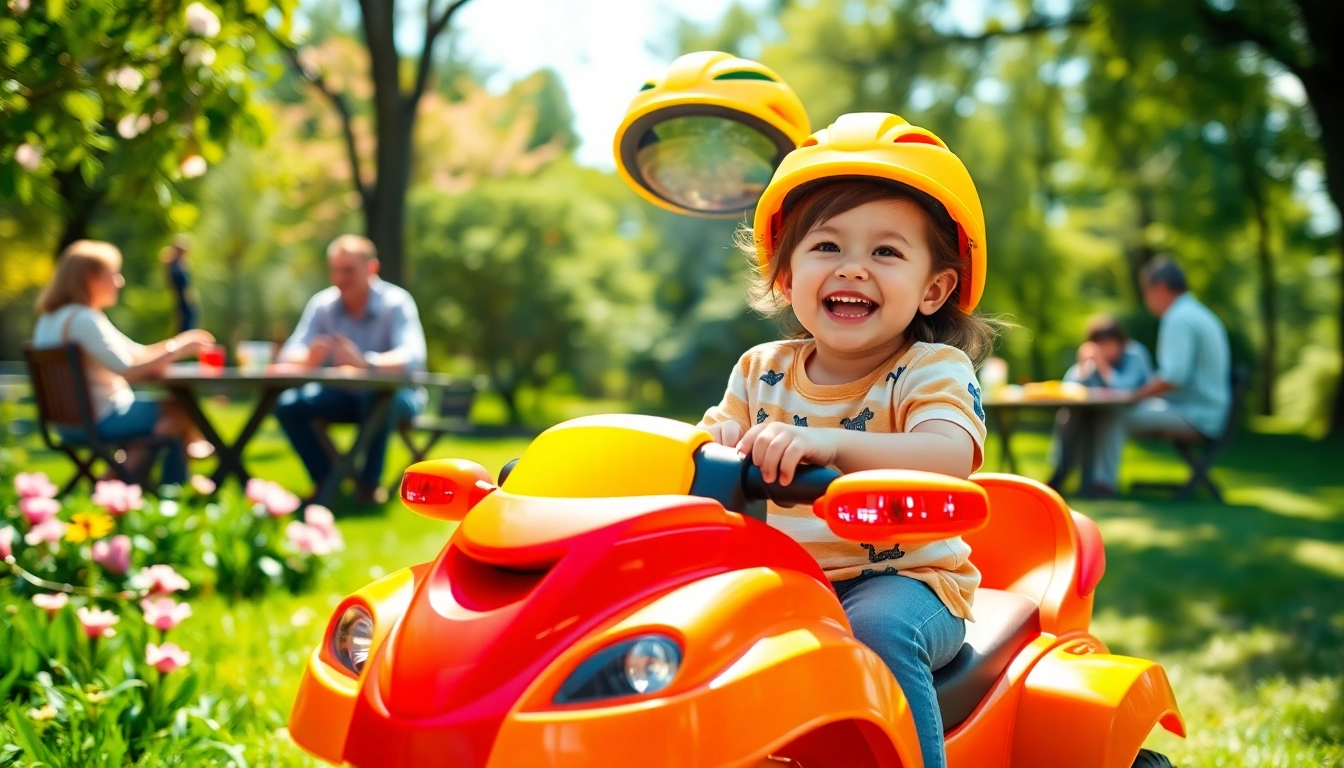
Ride on toys, as the name suggests, are toys designed for children to sit on and propel themselves either manually or via motorized means. They range from simple push toys for toddlers to more complex electric vehicles intended for older children. Examples include scooters, battery-operated cars, bikes, and various themed vehicles. These toys stimulate imaginative play and encourage physical movement, making them a staple in many homes and play areas.
Benefits of Ride on Toys for Child Development
Ride on toys offer numerous developmental benefits that are crucial at various stages of a child’s life. Some of these include:
- Physical Development: Using ride on toys enhances gross motor skills. Children learn to balance, coordinate, and control their movements as they ride.
- Social Skills: Many ride on toys are designed for group play. Children learn to share, take turns, and navigate social interactions, which are essential skills in early childhood.
- Cognitive Development: Engaging with ride on toys can improve problem-solving skills as children often figure out how to maneuver their vehicles or navigate obstacles.
- Imaginative Play: These toys enable children to create their own narratives, promoting creativity and imaginative thinking as they enact various roles and scenarios.
Choosing the Right Ride on Toys for Different Ages
Selecting the appropriate ride on toy is vital for ensuring safety and maximizing developmental benefits. Here’s an overview of options based on age groups:
- Infants (1-2 years): Toys with low heights and sturdy support, like ride-on animals or push carts, work best.
- Toddlers (2-4 years): This age group can handle simple electric or pedal-powered ride ons. They enjoy vehicles resembling cars, trucks, and even themed rides.
- Preschoolers (4-6 years): Electric ride on toys with safety features and adjustable speeds are suitable, as children begin to master driving skills. Models resembling real-life vehicles can be especially engaging.
- Older Kids (6+ years): More sophisticated options, such as electric scooters or larger electric cars that can accommodate two riders, can encourage adventurous play.
Types of Ride on Toys Available
Electric Ride on Toys: Features and Benefits
Electric ride on toys have become increasingly popular due to their ease of use and engagement. These toys typically run on rechargeable batteries and offer exciting features:
- Variety of Designs: Electric ride on toys come in an array of designs, enabling kids to choose ones that resonate with their interests.
- Speed Variability: Many models have adjustable speed settings, making it easy for parents to set a pace that suits their child’s skill level.
- Safety Features: Most electric rides come equipped with safety features like seat belts and parental remote controls to ensure safe driving.
Manual Ride on Toys: Safety and Fun
Manual ride on toys encourage children to use their own strength to move. Examples include scooters and pedal cars. The benefits include:
- Physical Activity: Manual toys promote physical strength, stamina, and motor skills as children push or pedal to move.
- Cost-Effective: Generally, manual ride on toys come at a lower price point than their electric counterparts, making them an economical option.
- Easy to Maintain: These toys usually require minimal maintenance compared to electric models, further adding to their appeal.
Comparing Ride on Toys: Cost and Quality
When investing in ride on toys, it’s crucial to consider both cost and quality. Here are some key factors to evaluate:
- Material Quality: Toys made from durable materials can withstand rough play and environmental conditions. Consider models with warranties for added security.
- Safety Standards: Always check that ride on toys meet safety standards set by relevant authorities to ensure your child’s protection.
- Cost Considerations: While cheaper options are available, it’s often wise to invest in quality toys that provide better longevity and safety features.
Safety Considerations When Using Ride on Toys
Essential Safety Gear for Ride on Toys
Safety should always be the top priority when children are using any ride on toy. Equip your child with the appropriate safety gear, including:
- Helmets: Essential for protecting the head in case of falls.
- Elbow and Knee Pads: To cushion against scrapes and bruises during falls or accidents.
- Closed-toe Shoes: To protect feet from injury while also providing traction.
Supervision Tips for Parents
Even the safest ride on toys require supervision when in use. Here are tips for effective supervision:
- Stay Close: Always be nearby, especially when your child is learning to use a new toy.
- Set Boundaries: Establish clear play zones and rules to prevent accidents from potential hazards.
- Teach Safety Rules: Ensure your child understands and respects safety practices while playing.
Common Safety Features to Look For
When selecting ride on toys, look for essential safety features such as:
- Seat Belts: Seat belts keep children secure and prevent falls.
- Speed Limiters: Limiting speed can reduce the risk of accidents, especially for younger children.
- Robust Design: Stability in design helps to keep the ride secure, reducing the chances of tipping over.
Maintaining Your Ride on Toys
Regular Maintenance Tips for Longevity
Proper maintenance can significantly extend the life of ride on toys. Adhere to the following tips:
- Routine Checks: Regularly inspect all components for wear and tear, tightening screws and bolts as necessary.
- Battery Care: For electric models, ensure batteries are charged properly and replaced as needed.
- Storage: Store ride on toys in a dry, safe place to protect them from weather-related damage.
Cleaning and Care Best Practices
Cleansing your ride on toys helps maintain their appearance and prevents the buildup of germs. Follow these best practices:
- Wipe Down: Regularly wipe surfaces with a damp cloth and mild soap to remove dirt and grime.
- Proper Drying: Ensure the toys dry completely before storing them to prevent mold and mildew.
- Check Tires: For wheeled models, keep tires clean and free from debris for optimal movement.
Signs Your Ride on Toys Need Repair
Recognizing when it’s time to repair or replace a ride on toy is vital. Look for:
- Frayed Wires: For electric models, check for any exposed or frayed wires that could present a hazard.
- Loose Parts: Unstable wheels or loose screws may signal the need for immediate repair.
- Battery Issues: If the battery isn’t holding a charge, it may need replacing or could indicate deeper issues.
Frequently Asked Questions about Ride on Toys
What age is appropriate for ride on toys?
Ride on toys vary by type; typically, children aged 1-2 can use walking toys, while electric options suit ages 3 and up. Always check specific recommendations.
Are electric ride on toys safe for young children?
Yes, as long as they adhere to safety standards, come with features like seat belts, and are supervised by adults during play.
How can I ensure my child’s ride on toy is well-maintained?
Perform routine checks, keep it clean, store it properly, and replace worn components to maintain safety and functionality.
What are the best features to consider when buying ride on toys?
Look for safety features, appropriate speed settings, material quality, and design that promotes physical activity and imaginative play.
Where can I find the latest ride on toys?
Many toy retailers and online platforms offer a wide variety of ride on toys. It’s advisable to compare models to find the best options.