







Understanding Used Engines
What Are Used Engines?
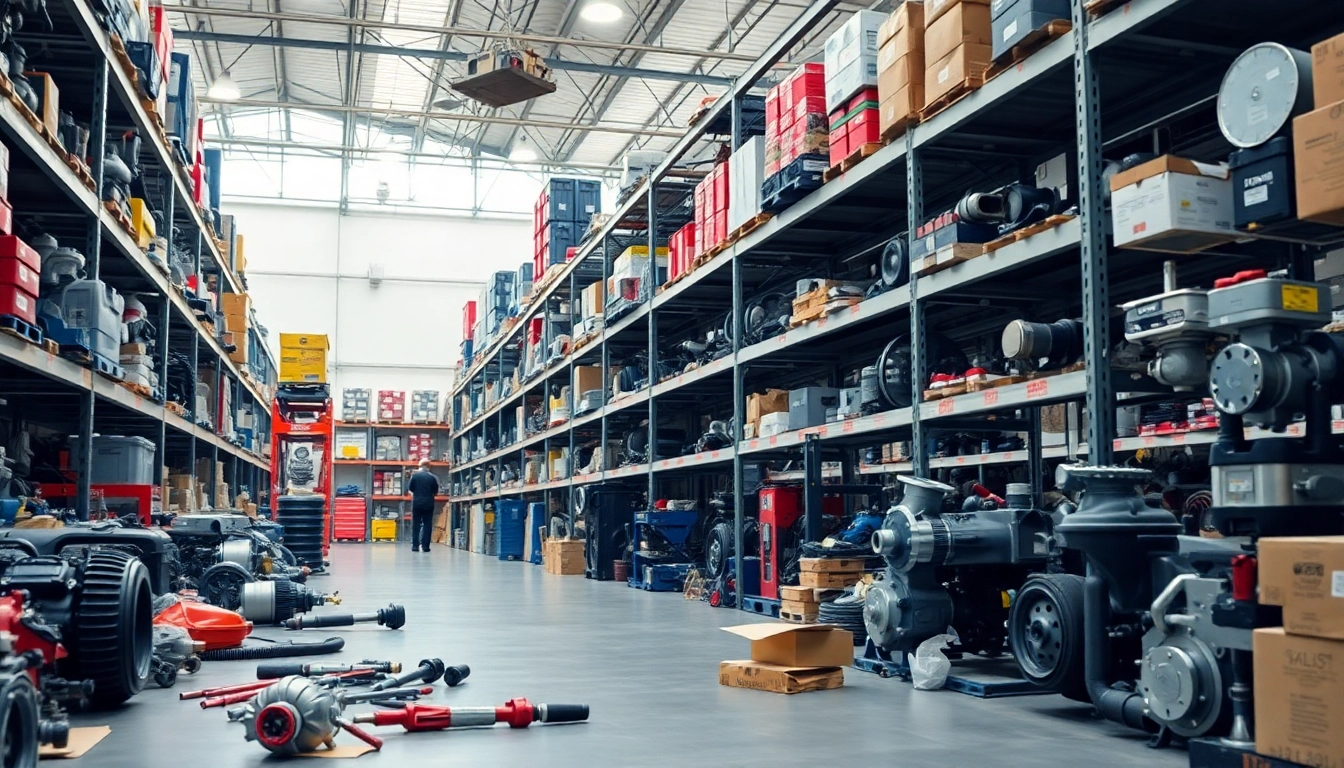
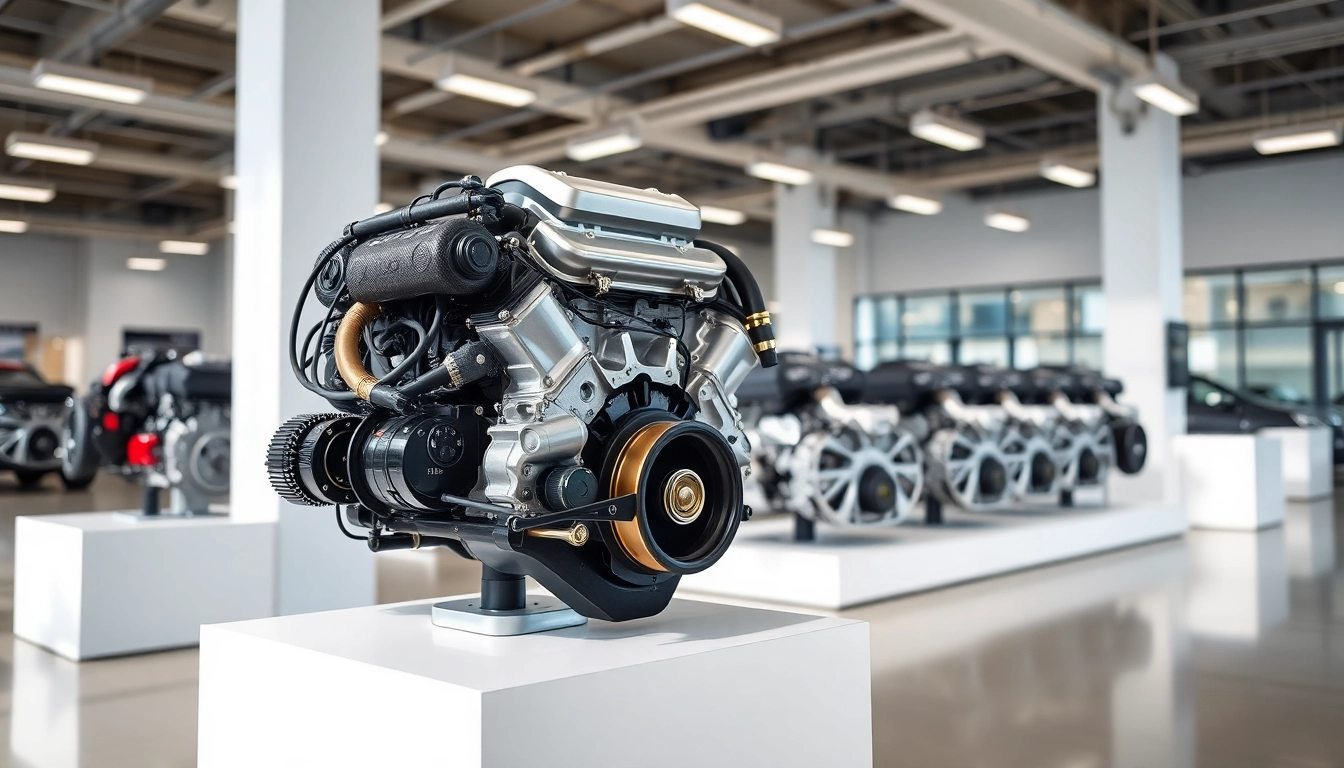
Used engines are pre-owned motor components harvested from vehicles that have been decommissioned, either due to aging, accidents, or repairs. These engines are re-sold after being inspected, refurbished or overhauled, ensuring they are ready for a second life in a different vehicle. Purchasing used engines can be a practical and economical solution for many vehicle owners looking to repair or upgrade their automobiles without incurring the hefty costs associated with new engines.
Benefits of Purchasing Used Engines
Choosing a used engine over a new one offers several significant advantages. Firstly, the cost is substantially lower, often allowing car owners to save anywhere from 30% to 70% compared to purchasing a new engine. This savings can make a considerable difference, especially for older vehicles where a new engine could be disproportionately expensive compared to the overall value of the car.
Secondly, used engines are often readily available. Given the wide variety of vehicles on the road, finding a used engine that fits your model is usually simpler than sourcing a brand-new alternative, which may require custom ordering or special delivery options.
Lastly, the environmental impact of reusing parts is a compelling reason to consider used engines. By purchasing used components, you’re contributing to recycling efforts within the automotive industry, minimizing waste and reducing the need for new manufacturing.
Common Misconceptions
Despite the numerous benefits, purchasing used engines is frequently surrounded by misconceptions. One common myth is that all used engines are of low quality. In reality, many used engines are sourced from vehicles that have undergone minimal wear or damage and have been properly maintained. It’s also a false belief that used engines lack warranties; reputable sellers often provide limited warranty options to cover any potential issues.
Another misconception is that used engines will always require substantial repairs. While it is essential to scrutinize the condition of any used engine, many are sold with minimal wear and tear and are in excellent condition. Lastly, some may erroneously believe that used engines significantly reduce a vehicle’s reliability. However, with proper maintenance and installation, a used engine can perform just as proficiently as a new one.
How to Choose the Best Used Engines
Evaluating Engine Quality
When selecting a used engine, evaluating its quality is paramount. Start by checking the engine’s age and mileage; a lower mileage often indicates lesser wear. Look for engines that have been regularly serviced, as this typically suggests better upkeep. Engine cleanliness is another indicator—an engine free from grime, dirt, or oil leaks often signals a well-maintained component.
Additionally, understanding the engine’s history can provide insight into its reliability. Carfax or similar vehicle history reports can disclose details such as previous ownership, repair history, and whether the engine has ever been involved in a major accident. Furthermore, you can monitor online reviews and feedback for sellers, driving a more informed purchasing decision.
Checking for History and Documentation
Documentation is crucial when purchasing a used engine. Sellers should be able to provide service records that detail the engine’s history. Look for signs that the engine has been regularly maintained and any replacement parts that were used. Reports of timing belt replacements or head gasket repairs can be pivotal while weighing whether the engine is worth purchasing.
Ensure that you can obtain any relevant warranties or guarantees that the seller might offer. Having documentation can protect you from potential pitfalls, as it serves as evidence of the engine’s condition and history should issues arise after the purchase.
Professional Inspections: Why They Matter
Hiring a professional mechanic to inspect the used engine before you finalize your purchase can save you from costly surprises later on. Qualified mechanics know what to look for and can identify subtle signs of wear that a layperson might miss. During an inspection, they can check for leaks, compression levels, and overall engine integrity.
A professional evaluation provides peace of mind, ensuring that you are making a sound investment. Many buyers skip this step to save costs, but this risk can lead to larger expenses down the line should the engine develop issues shortly after installation.
Where to Find Reliable Used Engines
Online Marketplaces
Today, numerous online platforms specialize in used auto parts, including engines. Websites like eBay Motors and specialized engine retailers provide vast inventories of used engines. When using online marketplaces, pay attention to seller ratings and reviews to gauge their reliability and customer service. Also, ensure that they offer return policies in case the engine does not meet expectations.
Furthermore, online marketplaces often provide detailed listings, including the engine’s specifications, history, and photos, assisting buyers in making informed decisions.
Local Auto Salvage Yards
Local salvage yards can be treasure troves for used engines, often hosting engines from a wide range of vehicles. Visiting in-person allows you to inspect the engine and check its condition more closely. Additionally, yards may have staff knowledgeable about the engines they sell, providing valuable insight into potential issues or strengths of specific models.
However, be prepared to negotiate prices when dealing with salvage yards; this flexibility can lead to a better deal on your engine purchase.
Dealerships Offering Certified Used Engines
Some dealerships provide certified used engines, often sourced from trade-in vehicles with low mileage. While prices might be somewhat higher than at salvage yards or online platforms, the quality assurance can be worth the extra cost. These engines usually undergo thorough inspections and certification processes, making them a reliable option for cautious buyers.
Warranties from dealerships also tend to be more comprehensive than those offered by private sellers, adding another layer of security for purchasers.
Installation and Maintenance of Used Engines
Preparing Your Vehicle for Installation
Before installing a used engine, it’s essential to prepare the vehicle properly. Start by alleviating any pre-existing issues with the vehicle, as these can affect engine performance. Inspect and repair the transmission, cooling system, and any other peripherals that may interface with the engine.
Ensure that the installation environment is clean, and gather all necessary tools before commencing the installation process. A detailed installation guide specific to the vehicle model can be highly beneficial in ensuring the process runs smoothly.
Qualified Mechanics vs. DIY Installation
Deciding whether to hire a mechanic or tackle the installation yourself depends on your experience and comfort level. For those adept at mechanical work, a DIY installation can save costs, but it’s crucial to possess proper tools and knowledge of the vehicle’s systems. Ensure you research and fully understand the installation process, as errors can lead to significant engine damage.
Conversely, if you’re not comfortable with engine installations, hiring a qualified mechanic is strongly advised. Professional installations ensure the engine is properly connected and reduces the risk of issues arising during operation.
Post-Installation Maintenance Tips
Once the used engine is installed, regular maintenance becomes vital for optimum performance. Establish an oil change schedule, particularly during the initial months after installation, to allow for any deposits from the previous usage to be flushed out. Observing fluid levels consistently and checking for leaks can preempt major malfunctions.
Also, consider keeping an eye on engine performance metrics and responding swiftly to any warning lights or unusual sounds. Keeping a maintenance log can assist you in tracking all repairs and changes made over time.
FAQs About Used Engines
What is the average lifespan of a used engine?
On average, a well-maintained used engine can last between 100,000 to 200,000 miles, depending on usage and care.
Can I trust the quality of used engines?
Yes, purchasing from reputable dealers and obtaining a vehicle history report can ensure quality.
What should I look for when inspecting a used engine?
Check for signs of wear, rust, oil leaks, and ensure all parts are intact and functional.
Are used engines cheaper than new ones?
Yes, used engines typically cost significantly less than new engines, offering savings to car owners.
Do used engines come with warranties?
Many reputable sellers provide limited warranties on used engines, offering some peace of mind.