








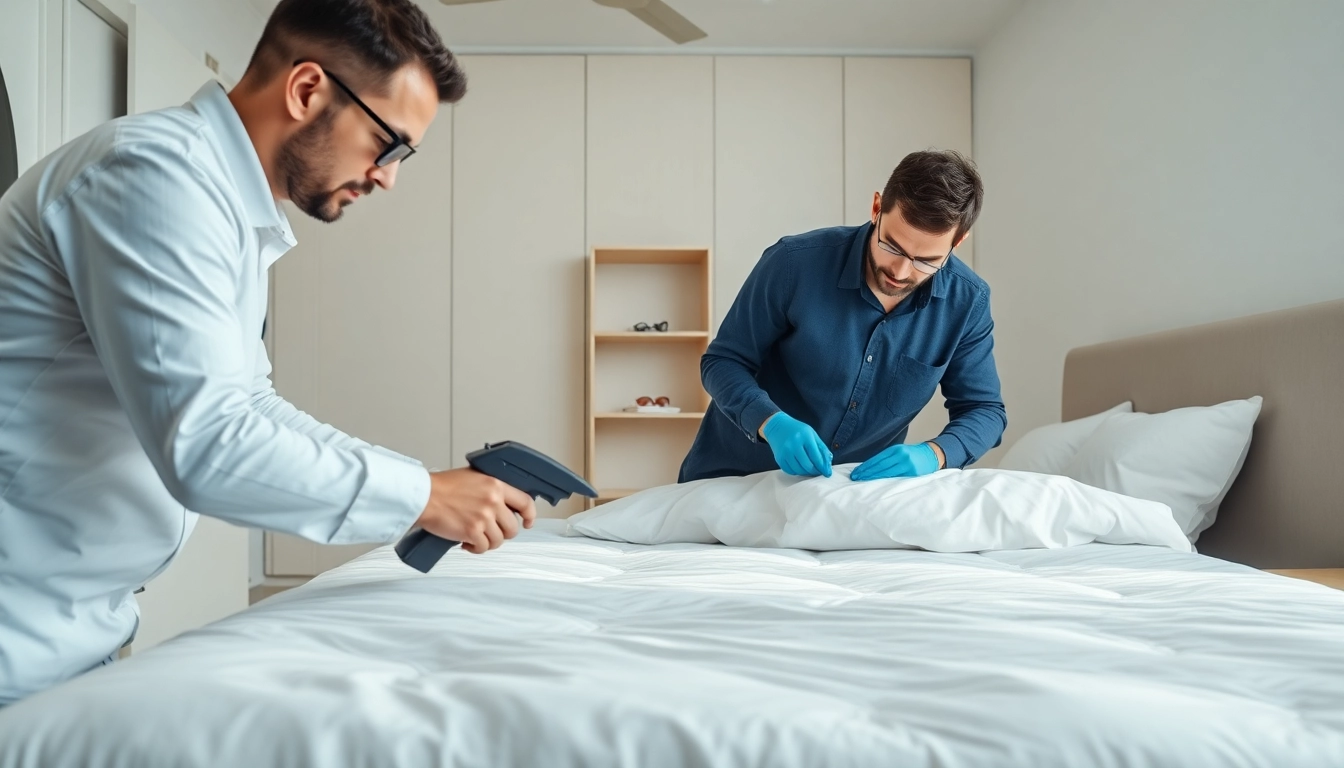
Understanding Bed Bug Infestations
What Are Bed Bugs?
Bed bugs are small, parasitic insects that feed on the blood of warm-blooded animals, primarily humans. Measuring roughly 1/4 inch long and resembling an apple seed, they are typically reddish-brown in color and flat in shape, allowing them to hide easily in small crevices and folds of material. Bed bugs are nocturnal creatures, emerging primarily at night to bite unsuspecting hosts while they sleep. Despite their name, they can be found in various locations, such as hotels, homes, public transportation, and even offices.
Signs of Bed Bug Infestation
Detecting a bed bug infestation early can save you from a lot of stress and financial burden. Key signs include:
- Visible Bugs: Seeing live bugs or their shed skins around your bed or furniture.
- Rusty Stains: Blood spots on sheets or mattresses from crushed bed bugs.
- Dark Spots: Tiny fecal spots on surfaces where bed bugs hide.
- Eggs and Eggshells: Small white eggs that can be hard to spot but are about the size of a pinhead.
- Itchy Bites: Red, itchy welts on your skin, often arranged in a line or cluster.
Where Do Bed Bugs Hide?
Bed bugs are adept at hiding and can often be found in locations such as:
- Mattresses: Inside seams and crevices.
- Bed Frames: Cracks and joints.
- Furniture: Inside cushions and upholstery.
- Carpets and Rugs: The edges or any small folds.
- Wall Cracks: Gaps in paint or wallpaper.
Importance of Professional Bed Bug Exterminators
Benefits of Hiring Experts
While some homeowners may attempt a DIY approach to combat bed bugs, hiring bed bug exterminators offers numerous benefits:
- Expert Knowledge: Professionals understand bed bug behavior and the best methods for eradication.
- Advanced Techniques: They utilize specialized tools and methods such as thermal remediation and chemical treatments that may not be available to the public.
- Time-Saving: Expert exterminators can act quickly and efficiently, saving you from prolonged discomfort.
- Long-Term Solutions: A professional approach often results in complete eradication of the problem with strategies to prevent future infestations.
Myths About DIY Bed Bug Treatment
In the realm of pest control, there are many myths surrounding do-it-yourself treatments for bed bugs:
- Myth 1: Home remedies such as essential oils are effective. Fact: While they may soothe bites, they do not eliminate bed bugs.
- Myth 2: A single treatment can eliminate bed bugs. Fact: Multiple treatments are often required.
- Myth 3: Bed bugs only live in dirty environments. Fact: They can infest both clean and dirty areas.
When to Call a Bed Bug Exterminator
Identifying when to seek professional help is crucial:
- If DIY methods have failed, it’s time for professional intervention.
- At the first signs of an infestation, swift action can prevent a small problem from escalating.
- Regular check-ups are advised for those in high-risk environments, like hotels or hostels.
Methods Used by Bed Bug Exterminators
Heat Treatment Explained
Heat treatment is one of the most effective strategies against bed bugs. This process involves raising the temperature of the affected area to a level lethal to bed bugs and their eggs (around 122°F). This method is advantageous because:
- Non-Chemical: It reduces chemical exposure for occupants and pets.
- Efficiency: Can destroy all life stages of bed bugs in a single treatment.
- Comprehensive: Heat penetrates furniture and wall voids where chemicals cannot reach.
Chemical Treatments for Bed Bugs
Chemical treatments involve the use of insecticides specifically formulated for bed bugs. These can be applied in various forms, including sprays, dusts, and baits. Key points include:
- Targeted Application: Professionals know where and how to apply chemicals for maximum effect.
- Resistance Management: Technicians select and rotate products to combat pesticide resistance.
Integrated Pest Management Strategies
Integrated Pest Management (IPM) is a holistic approach to bed bug control that combines several techniques:
- Inspection: Thorough inspections to identify infestations and their sources.
- Prevention: Recommendations for sealing entry points and decluttering areas.
- Monitoring: Regular follow-ups to ascertain success and prevent re-infestation.
Preparing for Bed Bug Extermination
Steps to Take Before Treatment
Proper preparation can enhance the effectiveness of your treatment:
- Declutter and vacuum rooms to remove potential hiding spots.
- Wash and dry bedding and clothing at high temperatures.
- Inform professionals about the infestation areas for tailored treatment.
What to Expect During Extermination
During the extermination process, expect the following:
- Technicians will perform an initial inspection to assess the situation.
- Depending on the method used, it may take several hours to treat the area.
- Occupants may need to stay away for a few hours post-treatment, especially with heat methods.
Post-Treatment Care
After extermination, maintaining diligence is key:
- Continue monitoring for any bed bugs that may have survived.
- Maintain cleanliness and reduce clutter to minimize re-infestation risk.
- Consider periodic inspections by professionals to ensure long-term protection.
FAQs About Bed Bug Exterminators
How long does bed bug treatment take?
The duration of bed bug treatment varies based on the level of infestation and methods used. Most treatments can take from a few hours to a couple of days, with follow-up visits suggested.
What does bed bug extermination cost?
The cost of extermination depends on factors like the severity of the infestation and the techniques employed. Typically, treatments range from a few hundred to over a thousand dollars.
Are bed bug treatments safe for pets?
Professional pest control services prioritize safety. Most treatments can be safely performed around pets, but it’s best to consult exterminators about any necessary precautions.
How can I prevent bed bugs from returning?
To prevent future infestations, maintain cleanliness, regularly inspect travel items, and seal potential entry points. Consider using mattress encasements as an added measure.
What should I do after bed bug extermination?
After extermination, follow technician advice, continue monitoring for bed bugs, and maintain a clean environment to prevent any chance of re-infestation.