






Understanding Self Storage Units
What Are Self Storage Units?
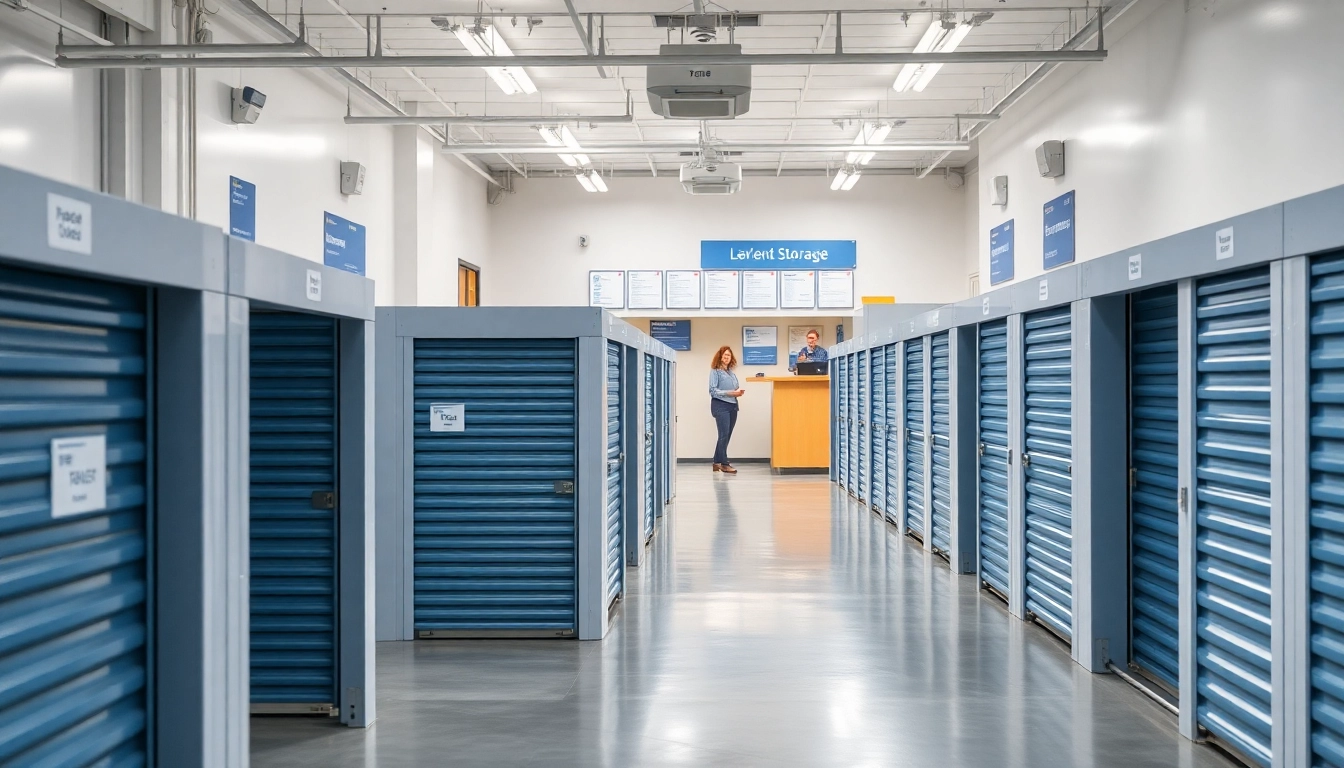
Self storage units are secure and accessible spaces rented by individuals or businesses to store their belongings. They vary in size and are typically housed within a facility designed for personal or commercial storage needs. Often found in urban areas, these units provide a solution for those seeking temporary or long-term storage, whether for decluttering, relocating, or managing inventory. As lifestyle needs evolve, self storage units have become an essential resource for creative and practical storage solutions.
Types of Self Storage Units
Self storage units come in several types to cater to different needs:
- Standard Units: These are typical storage spaces without climate control, suitable for general items.
- Climate-Controlled Units: These units maintain specific temperature and humidity levels, ideal for sensitive items like electronics, artwork, or documents.
- Drive-Up Units: Accessible directly from outside, drive-up units are convenient for loading and unloading bulky items.
- Vehicle Storage Units: Designed for cars, motorcycles, boats, and RVs, these units often provide enhanced security.
- Commercial Storage Units: Tailored for businesses, these units can handle excess inventory, equipment, and documentation.
Benefits of Using Self Storage Units
The use of self storage units presents numerous advantages:
- Flexibility: Customers can rent units on a short-term or long-term basis, accommodating varying needs without long-term commitments.
- Space Optimization: Self storage units allow individuals and businesses to free up valuable space in their homes or offices.
- Security: Facilities typically offer robust security measures, including gated access, surveillance cameras, and on-site management, ensuring belongings are protected.
- Convenience: Many storage facilities provide 24/7 access to ensure customers can retrieve their items at their convenience.
- Cost-Effectiveness: Renting a storage unit can be more affordable than moving to a larger space or relocating to a new area.
Choosing the Right Self Storage Units
Factors to Consider When Selecting
When choosing a self storage unit, several factors should guide your decision:
- Location: The proximity of the storage facility to your home or office can greatly impact convenience and accessibility.
- Security Features: Assess the security measures in place, such as surveillance, alarms, and access controls.
- Reputation: Research customer reviews and testimonials to gauge the facility’s reliability and service quality.
- Accessibility: Consider the access hours and any restrictions that may apply for entry into the facility.
- Customer Service: Choose a facility known for good customer service, as this can enhance your overall experience.
Size Options for Self Storage Units
Self storage units come in various sizes, making it crucial to assess your storage needs:
- Small Units: Typically 5×5 to 5×10 feet, suitable for boxes, small furniture, or seasonal items.
- Medium Units: Ranging from 10×10 to 10×15 feet, ideal for a one-bedroom apartment’s worth of belongings.
- Large Units: Starting at 10×20 feet, perfect for storing larger items or the contents of a multi-bedroom house.
Pricing Structures Explained
The cost of renting self storage units can vary widely by several factors:
- Location: Facilities in urban areas may charge higher rates compared to rural locations.
- Unit Size: Larger units generally come with higher rental fees.
- Climate Control: Units with climate control features are typically more expensive.
- Lease Duration: Long-term rentals may offer discounts compared to short-term contracts.
Optimizing Your Use of Self Storage Units
Organizing Your Self Storage Units Effectively
Maximizing the functionality of your storage unit requires thoughtful organization:
- Plan Layout: Design a layout before loading items, placing frequently used items at the front for easy access.
- Use Shelving: Install shelves to maximize vertical space and keep the floor clear for larger items.
- Label Boxes: Clearly label boxes with their contents to quickly locate items later.
- Use Clear Bins: Opt for transparent bins instead of opaque ones to easily see what’s inside.
- Avoid Overpacking: Do not overly fill boxes, which can make them hard to lift and increase the risk of items being damaged.
Common Mistakes to Avoid with Self Storage Units
A few common missteps can lead to less-than-optimal usage of self storage units:
- Underestimating Space Needs: Choosing a unit that’s too small can lead to frustration and additional rental costs.
- Poor Item Protection: Failing to properly wrap or protect items may result in damage over time.
- Not Checking Facility Rules: Ignoring the facility’s regulations can lead to access issues or additional fees.
- Last-Minute Packing: Rushing to pack can lead to disorganization and inefficiencies in packing.
Seasonal Strategies for Self Storage Units
Using self storage units effectively can also vary by season:
- Spring Cleaning: Utilize storage to declutter your home, making use of units for off-season items and garden equipment during the winter.
- Summer Storage: Store winter clothing and holiday decorations in anticipation of the upcoming season.
- Fall Preparation: Swap out summer gear and sports equipment for warmer items, taking advantage of seasonal storage benefits.
- Holiday Planning: Temporarily store excess holiday decorations or seasonal retail inventory to keep your home or business organized.
Security and Safety of Self Storage Units
Understanding Security Features
Security is paramount when choosing a self storage unit. Facilities should feature:
- 24/7 Surveillance: Continuous video monitoring adds an extra layer of protection.
- Individual Alarms: Alarms connected to individual units enhance security, deterring potential breaches.
- Gated Access: Restricted entry systems ensure that only authorized individuals can access the facility.
- On-Site Staff: Having personnel present can help address any immediate concerns regarding security or management.
Insurance Options for Self Storage Units
Insuring your belongings stored in self storage units is often a wise decision. Options include:
- Facility Insurance: Many storage facilities offer insurance policies as part of the rental contract.
- Homeowner’s Insurance: Check if your existing policy covers items in storage; this might be the most economical solution.
- Third-Party Insurance: Specialized insurers can provide tailored coverage for items in storage.
Best Practices for Personal Safety
When visiting self storage units, prioritize personal safety by adopting the following practices:
- Visit During Daylight Hours: Choosing to access your unit in daylight reduces safety risks.
- Be Aware of Surroundings: Always stay alert to your surroundings and report any suspicious activity to the facility management.
- Use a Buddy System: It’s safer to go with someone when accessing your unit, especially if you’re carrying heavy or valuable items.
FAQs about Self Storage Units
How do I determine the size of self storage units I need?
Begin by evaluating the volume of belongings you intend to store and comparing it to the size charts provided by storage facilities.
What security measures should I look for in self storage units?
Seek features like 24/7 surveillance, gated access, and individual alarms to ensure your belongings’ safety.
Can I access my self storage units at any time?
Access hours can vary by facility; many offer 24-hour access while some may have limited hours. Always check in advance.
Is insurance necessary for self storage units?
While not mandatory, it is wise to have insurance to cover potential damage or theft of your items.
Are self storage units climate-controlled?
Not all units come equipped with climate control; if storing sensitive items, seek facilities that offer this option to avoid damage.