








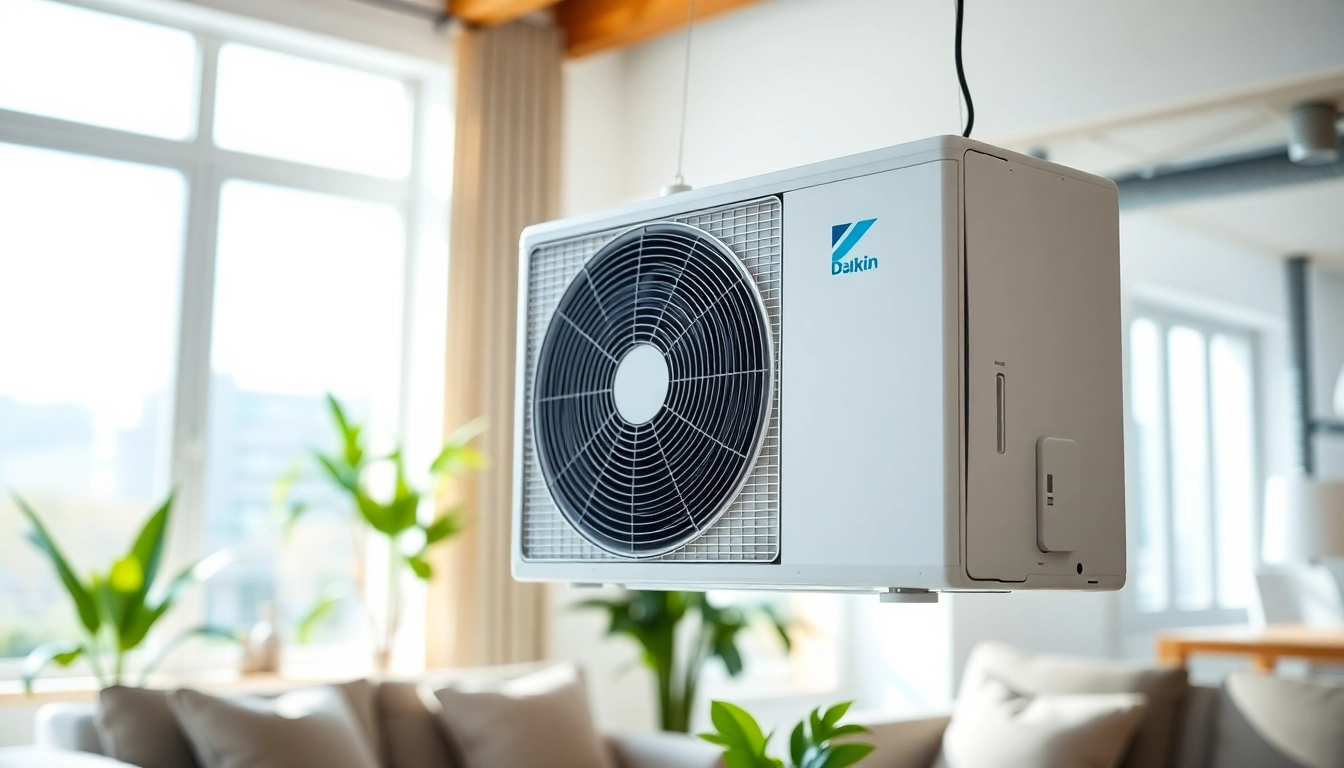
Understanding the Daikin Mini Split AC System
What is a Daikin Mini Split AC?
The daikin mini split ac is an advanced air conditioning system designed to effectively cool and heat individual rooms or zones without the need for extensive ductwork. This system consists of an outdoor compressor unit and one or more indoor air handling units that work together to provide immersive comfort while maintaining user convenience. The absence of ducts allows for greater flexibility in installation and often results in enhanced energy efficiency, making this system increasingly popular among homeowners and businesses looking to optimize climate control in targeted areas.
Key Features of Daikin Mini Split AC
Daikin mini split systems come equipped with various key features that differentiate them from traditional HVAC systems. These features include:
- Inverter Technology: This technology ensures that the compressor adjusts its speed according to the cooling or heating demand, optimizing energy consumption and maintaining consistent temperature levels.
- High SEER Ratings: The seasonal energy efficiency ratio (SEER) ratings of Daikin mini splits often exceed those of conventional options, translating into significant energy savings over time.
- Quiet Operation: Designed to minimize noise, the indoor units of Daikin systems operate at very low decibel levels, allowing for a peaceful environment.
- Flexible Installation: Having no ducting requirements means these systems can be installed in a variety of locations, accommodating various types of homes and building designs.
- Multi-Zone Capability: Recommended for larger homes, Daikin systems can facilitate multiple indoor units serviced by a single outdoor unit, allowing distinct climate control across various zones.
Benefits of Choosing Daikin Mini Split AC
Choosing a Daikin mini split AC brings numerous benefits, making it an attractive option for climate control:
- Energy Efficiency: With their innovative design and inverter technology, Daikin systems use less energy, effectively lowering utility bills.
- Enhanced Comfort Control: Users have the ability to set different temperatures for different rooms, providing personalized comfort settings for every family member.
- Space-Saving Design: The compact nature of mini splits allows for unobtrusive installation in various spaces without the need for bulky ducts.
- Environmentally Friendly: Many models are designed to lower carbon footprints with energy-efficient operation, aligning with sustainable living goals.
- Year-Round Performance: Daikin units effectively cool in the summer and heat in the winter, providing year-round climate control solutions.
Installation Guide for Daikin Mini Split AC
Preparing Your Space for Installation
Before installing a Daikin mini split AC, proper preparation ensures the installation process goes smoothly. Here are important steps to consider:
- Choose the Right Location: Select a suitable location for the indoor unit that allows for optimal airflow and convenience. This location should be away from obstructions and allow easy access for maintenance.
- Ensure Adequate Ceiling Height: Indoor units should ideally be positioned high on walls to enhance airflow effects and maintain efficient cooling/heating.
- Clear the Outdoor Area: The outdoor unit requires appropriate airflow, so ensure the installation site is free of debris or obstacles.
- Assess Electrical Capacity: Verify that your electrical system can handle the new appliance. Consult a professional if necessary.
Steps to Properly Install Daikin Mini Split AC
Installation of the Daikin mini split AC involves a series of straightforward steps:
- Mount the Indoor Unit: Install the mounting bracket on the wall, then attach the indoor unit securely, ensuring it’s level.
- Connect Refrigerant Lines: Use insulated copper tubing to connect the indoor evaporator to the outdoor condenser unit.
- Install the Outdoor Unit: Set up the outdoor condenser on a level surface, ideally elevated for protection from water accumulation.
- Electrical Connections: Connect the power supply to the outdoor unit according to the manufacturer’s guidelines.
- Test the System: Before finalizing installation, conduct safety checks and test the system to ensure everything operates smoothly.
Common Installation Mistakes to Avoid
To ensure a successful installation, avoid the following common pitfalls:
- Poor Location Choice: Avoid placing the indoor unit in areas that obstruct airflow or near heat sources.
- Insufficient Insulation: Not properly insulating refrigerant lines can lead to condensation and energy inefficiency.
- Overlooking Electrical Requirements: Ensure that electrical connections meet local code requirements; improper wiring can lead to failure or damage.
- Neglecting Level Installation: Units installed without level checks may operate inefficiently and lead to longevity issues.
Optimal Usage and Maintenance Tips
How to Use Your Daikin Mini Split AC Efficiently
To fully enjoy the benefits of your Daikin mini split AC, follow these guidelines for efficient operation:
- Set the Thermostat Wisely: Keep the thermostat at a moderate temperature rather than extreme settings for optimal comfort and energy savings.
- Utilize Sleep Mode: Take advantage of the sleep mode feature to gradually adjust temperature settings during night-time operation.
- Zone Control: Adjust temperature settings for different zones based on usage to maximize efficiency and comfort.
Regular Maintenance for Longevity
Maintaining the Daikin mini split AC is crucial for its longevity and efficiency. Consider these maintenance practices:
- Clean the Filters: Regularly check and clean or replace the air filters to ensure adequate airflow and indoor air quality.
- Inspect the Coils: Clean the evaporator and condenser coils at least once a year to maintain optimal performance and efficiency.
- Check for Leaks: Inspect refrigerant lines for any signs of leaks or damage, which can lead to system inefficiencies.
- Schedule Professional Maintenance: Enlist a qualified technician annually for comprehensive system checks and services.
Troubleshooting Common Issues
Being familiar with common issues can expedite resolutions:
- No Cool Air: Check if the thermostat is set correctly or if the filters are clogged.
- Strange Noises: Unsuitable installations can lead to noise issues. Ensure proper mounting and check for loose components.
- Inconsistent Temperatures: Ensure that the airflow is unobstructed around the unit and adjust settings as necessary.
Energy Efficiency and Cost Savings
Energy Star Ratings and Daikin Mini Split AC
Many Daikin mini split models feature Energy Star ratings, validating their status as energy-efficient systems. The Energy Star label indicates that these units meet strict efficiency requirements set by the United States Environmental Protection Agency. By utilizing these high-efficiency products, homeowners can expect lower electricity bills, contributing substantial savings annually, alongside reduced environmental impact.
Comparative Costs of Mini Splits vs. Traditional Systems
When comparing costs, Daikin mini split systems may have a higher upfront installation cost compared to traditional central air conditioning systems. However, when factoring in long-term utility savings, lower maintenance costs, and the ability to zone different areas of a home, mini splits typically offer a better return on investment. Installation costs can vary based on the number of indoor units and the complexity of the installation process.
Ways to Maximize Energy Savings with Daikin Mini Split AC
To enhance energy efficiency and save on costs, consider the following techniques:
- Heat Pumps Usage: Utilize the heat pump functionality in cooler months, providing efficient heating without additional energy expenditures.
- Smart Thermostats: Use smart thermostats for programmable settings that adjust temperatures based on your schedule.
- Zone Adjustments: Close off vents or adjust temperatures in unused rooms to focus heating and cooling where needed.
Frequently Asked Questions about Daikin Mini Split AC
How long does a Daikin mini split AC last?
With proper installation and maintenance, a Daikin mini split AC can have a lifespan of 12 to 15 years or more, depending on usage and regular servicing.
Can I install a Daikin mini split AC myself?
While DIY installation is possible, it’s recommended that a qualified technician completes the installation for compliance, safety, and optimal performance.
What size Daikin mini split AC do I need?
The size of the unit needed depends on the room’s square footage and insulation quality. A professional sizing calculation will ensure the right fit for efficient cooling and heating.
How often should I service my Daikin mini split AC?
Regular servicing should occur at least once a year, with additional inspections recommended in high usage seasons for optimal performance and efficiency.
Are Daikin mini split ACs noisy?
Daikin mini split AC units are designed to operate quietly, typically producing noise levels comparable to a soft conversation, making them suitable for residential applications.