






Understanding Splitboarding Basics
What is Splitboarding?
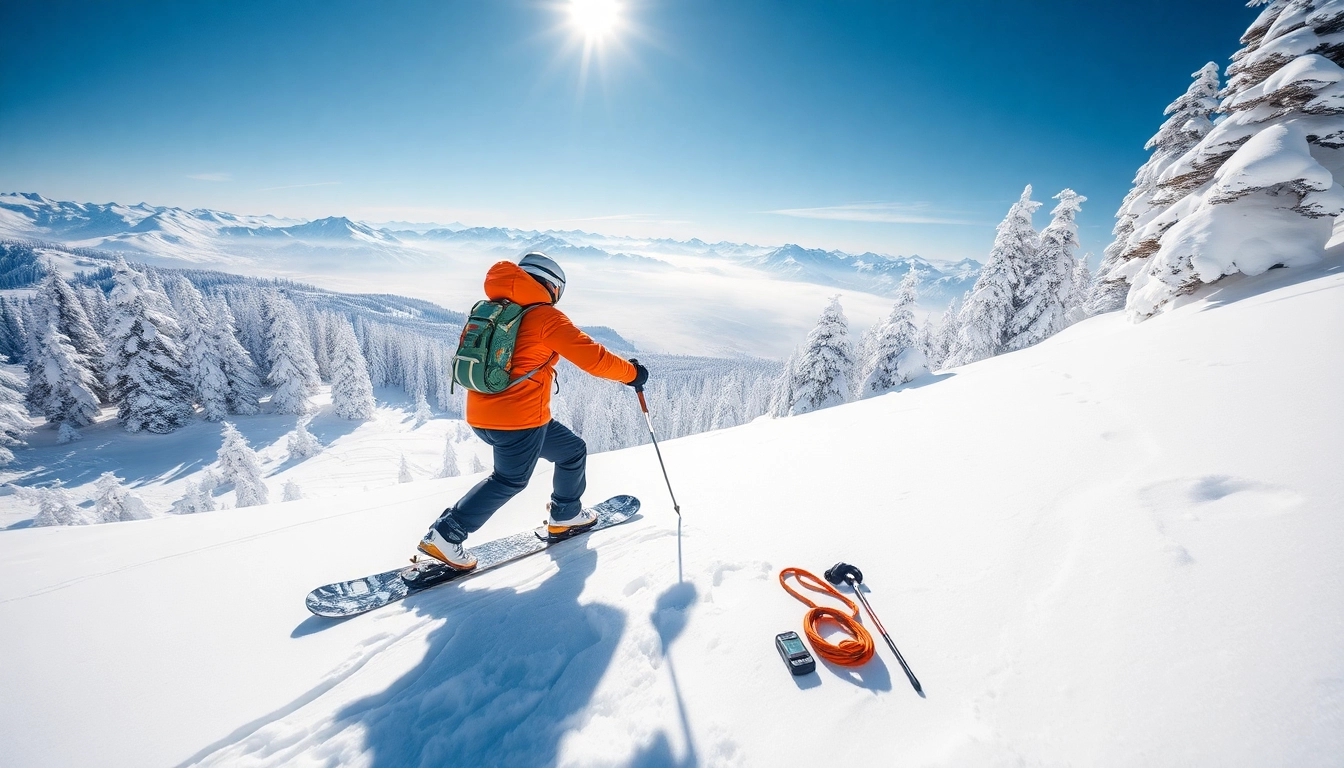
Splitboarding is a unique winter sport that merges the thrill of snowboarding with the demand of backcountry exploration. Essentially, a splitboard is a snowboard that can be divided into two separate skis, allowing for more efficient uphill travel. When split, riders can use climbing skins to ascend slopes just like skiers would, making splitboarding an excellent option for those seeking adventure away from the crowded slopes of ski resorts. Once at the top, the board is reconnected into snowboarding mode for the descent, facilitating a seamless transition between climbing and riding.
Key Gear Required for Splitboarding
Getting started in splitboarding requires specific gear tailored for both climbing and descending. Key items include:
- Splitboard: Ensure you have a quality splitboard that matches your riding style and terrain preferences.
- Bindings: Splitboard-specific bindings are essential, enabling easy transitions from ski to snowboard mode and vice versa.
- Climbing Skins: These attach to the bottom of your splitboard, providing grip on snowy inclines.
- Snowboard Boots: A good pair of snowboard boots is crucial; some prefer soft boots for increased comfort and flexibility.
- Backcountry Backpack: A sturdy backpack can hold your gear, food, and safety supplies while navigating the backcountry.
Essential Vocabulary for Splitboarding
As with any sport, splitboarding has its own lexicon. Here are some commonly used terms:
- Skinning: The act of climbing using climbing skins attached to the board.
- Transition: The process of changing from ski mode to snowboard mode.
- Aspect: Refers to the direction a slope faces, impacting snow conditions.
- Avalanche Terrain: Areas that are susceptible to avalanches, requiring careful navigation.
- Drop-in: The point where you begin your descent.
Preparing for Your First Splitboarding Trip
Choosing the Right Terrain for Splitboarding
Picking the correct terrain is crucial to maximize your enjoyment while ensuring safety. Beginners should look for areas with gentle slopes and manageable distances to build their confidence. Mountain trails often have designated splitboarding routes, which are typically marked for safety and difficulty. As your skills progress, you can explore steeper and more technical terrains; just ensure you assess your ability and that of your group.
Weather Considerations for Splitboarding
Weather conditions can greatly affect your splitboarding experience. Beginners should check avalanche forecasts, wind directions, and temperatures. Be aware that conditions may deteriorate quickly in the backcountry, so always pack extra clothing and emergency supplies. Understanding the signs of changing weather patterns can enhance your trip’s safety and enjoyment.
How to Pack for a Splitboarding Adventure
Preparation is key to a successful outing. Start by making a packing list that includes:
- Safety gear: Avalanche beacon, probe, and shovel.
- First aid kit: Essential for dealing with minor injuries.
- Snacks and water: Hydration and energy are vital for long trips.
- Navigation tools: Map, compass, or GPS unit.
Efficient packing can lighten your load and enhance mobility while climbing.
Techniques for Efficient Splitboarding
Climbing Techniques in Splitboarding
Mastering climbing techniques is necessary for any proficient splitboarder. Keep your weight centered over your feet to maintain balance while using your hips to steer. Use a zigzag pattern to conserve energy on steeper inclines. Additionally, practice regular transitions, as moving smoothly can reduce fatigue during long climbs.
Descending Techniques for Splitboarding
Descending properly is essential for enjoying your ride and ensuring safety. Stay low and centered over your board, keeping weight evenly distributed to maintain control. Rely on your edges for grip as you carve through the snow. Each descent may present unique challenges; therefore, adapt your style to the conditions—powder demands different techniques than hardpack.
Navigating Difficult Terrain on Your Splitboard
Backcountry snow can rapidly change, and riders must adeptly navigate varied terrain. Anticipate obstacles like trees, rocks, or cliffs, and adjust your speed accordingly. Utilize hops and side-slipping techniques to maneuver around challenges. Practicing these skills in various conditions will greatly enhance your overall safety and efficiency on steep descents.
Safety Considerations While Splitboarding
Understanding Avalanche Risks
Avalanche safety is critical for anyone venturing into backcountry areas. Educate yourself on identifying avalanche-prone slopes and understanding the local avalanche forecasting system. Stay updated on current conditions, and when in doubt, choose safer routes or wait for more favorable conditions. Always ride with a partner and establish clear communication regarding safety practices.
Essential Splitboarding Safety Gear
Carrying appropriate safety gear can make the difference in emergencies. Invest in avalanche gear, including a beacon, shovel, and probe, ensuring they are in working order before every outing. Also, consider a first aid kit tailored for outdoor activities and familiarize yourself with its contents and usage. Personal protective equipment, like a helmet, adds an extra layer of safety on descents.
Emergency Procedures during Splitboarding
Understanding emergency procedures is as vital as the adventure itself. In case of an avalanche, follow established protocols, including marking the location of the last seen person, and begin a swift search. Ensure everyone in your group knows how to use emergency gear. Regular emergency drills can familiarize you with the process and build confidence for real-life situations.
Joining the Splitboarding Community
Finding Local Splitboarding Groups
The splitboarding community is vibrant, and joining local groups can be immensely beneficial. These communities often host group outings, provide invaluable tips, and foster a sense of camaraderie among splitboarders. Consider joining clubs or societies affiliated with outdoor sports to connect with fellow adventurers.
Connecting on Social Media for Splitboarding
Social media platforms offer an excellent way to engage with other splitboarding enthusiasts. Follow relevant accounts for tips, gear reviews, and to discover new locations. Participate in discussions and share your experiences, helping to grow your network and learn from seasoned splitboarders.
Participating in Splitboarding Events and Competitions
Events and competitions provide opportunities to showcase your skills and meet other splitboarders. Look for local competitions or festivals dedicated to splitboarding to participate in challenges, workshops, and discussions. Engaging in these events fosters community spirit and promotes skill development through friendly competitions.
Frequently Asked Questions about Splitboarding
1. What is the point of splitboarding?
Splitboarding allows riders to explore the backcountry, providing access to untouched snow and breathtaking terrain away from lift lines.
2. Can I ride a splitboard at a resort?
Yes, splitboards can be used at resorts, functioning similarly to regular snowboards for downhill riding.
3. What’s the best weather for splitboarding?
The ideal weather conditions for splitboarding include clear skies, moderate temperatures, and stable snowpack to minimize avalanche risks.
4. How do I choose the right splitboard?
Select a splitboard based on your weight, skill level, and the types of terrain you plan to explore. Consult with experts for personalized recommendations.
5. Do I need special boots for splitboarding?
Yes, splitboard-specific boots provide the necessary support and flexibility for climbing and descending efficiently and comfortably.