







Understanding Plate Rolling Fundamentals
What is Plate Rolling?
Plate rolling is a manufacturing process that involves the bending of metal plates to create cylindrical shapes or components. This technique is widely used in various industries for the production of pipes, tanks, and other curved structures. The process typically involves the application of pressure to the metal plate, which is gradually rolled to achieve the desired curvature. Plate rolling can utilize several methods and machines, ensuring versatility and efficiency in fabrication.
Types of Plate Rolling Processes
There are several key plate rolling processes employed based on the required specifications and dimensions of the end product. Some of the most common types include:
- Three-Roll Rolling: This method uses three rolls arranged in a triangular formation to control the bending process. It is popular for producing round tubes and large cylinders.
- Four-Roll Rolling: This process features four rolls that provide better control and precision, allowing for tighter bends and enhanced quality of the finished product.
- Section Rolling: This technique specifically targets rolled shapes like angles, channels, and beams. It is ideal for structural steel applications.
- Plate Bending: Plate bending focuses on thick plates and involves a series of sequential bends using hydraulic or mechanical presses.
Key Components of Plate Rolling Machines
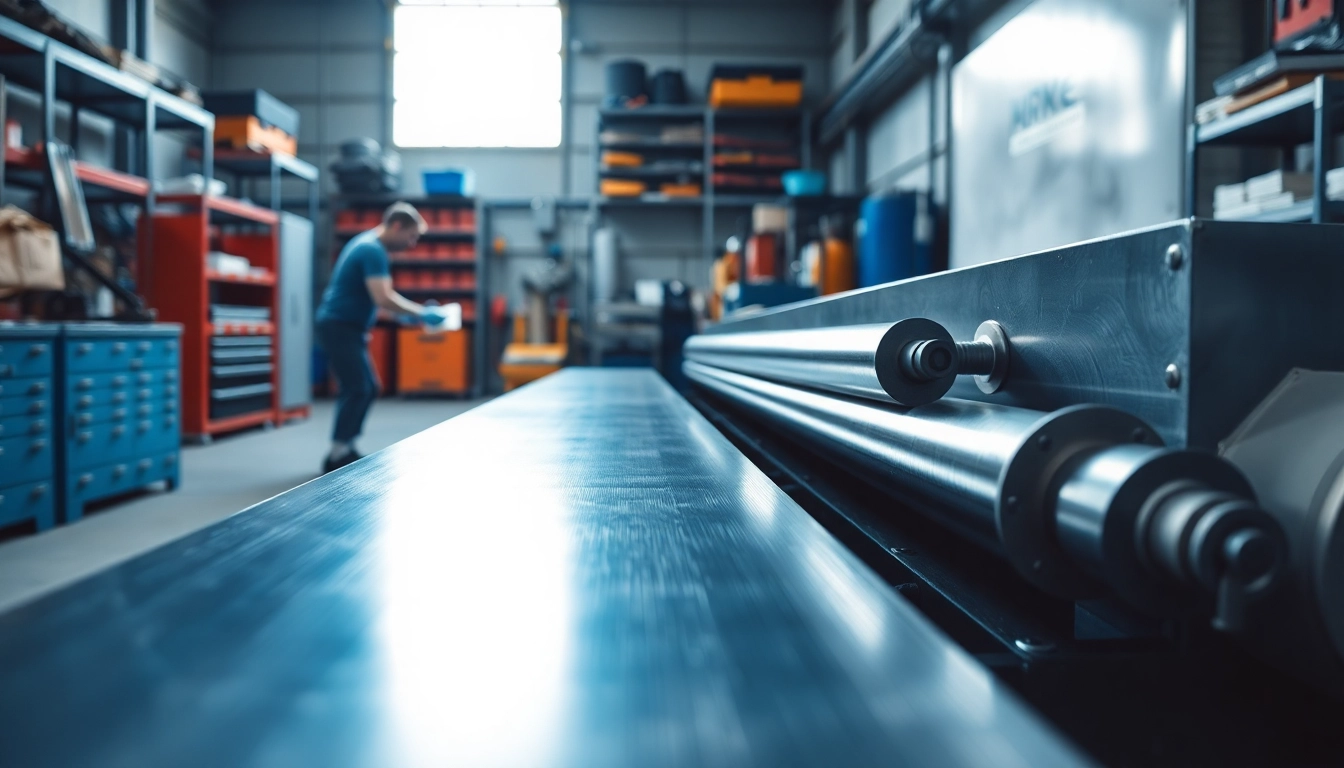
Plate rolling machines consist of several crucial components that work together to achieve the desired forming of metal plates. These include:
- Rollers: The primary components that shape the metal, often made of hardened steel to withstand pressure.
- Control Systems: Advanced electronic controls ensure precision bending and adequate force application.
- Base Frame: A robust support structure that holds all components in place and absorbs vibrations during operation.
- Hydraulic System: Provides the necessary pressure to operate the machine, especially in hydraulic roller models.
- Safety Guards: Essential for protecting operators from potential hazards during operations.
Plate Rolling Techniques for Precision Work
Essential Techniques for Beginners
For those new to plate rolling, understanding the fundamental techniques is crucial for achieving successful results:
- Proper Setup: Ensure the machine is set up correctly with calibrated settings for the thickness and type of metal being rolled.
- Bend Radius Calculation: Familiarize yourself with calculations to determine the minimum bend radius, which can prevent cracking and maintain material integrity.
- Gradual Application: Apply pressure slowly to avoid overstressing the material, especially with thicker plates.
- Regular Checks: After each pass, verify dimensions to ensure conformity to specifications.
Advanced Techniques for Experts
Expert plate rollers can employ several advanced techniques to enhance precision and efficiency:
- Simulation Software: Utilize software to model the plate rolling process beforehand, allowing predictions on material behavior and fine-tuning settings.
- Multi-Pass Rolling: Implement multi-pass techniques where complex shapes are required, gradually bending the material into complicated curves.
- Temperature Control: Applying heat to the material can facilitate easier bending, particularly with high-strength alloys.
Common Mistakes to Avoid in Plate Rolling
Awareness of common pitfalls in plate rolling can lead to improved outcomes:
- Ignoring Material Properties: Not accounting for the specific characteristics of the metal can result in failures.
- Insufficient Calibration: Failing to calibrate the rolling machine can lead to inconsistencies and dimensional errors.
- Poor Maintenance: Neglecting machine upkeep can significantly impact performance and product quality.
Applications of Plate Rolling Across Industries
Plate Rolling in Construction and Manufacturing
In construction and manufacturing, plate rolling is essential for fabricating components such as cylindrical tanks, structural pipes, and fittings. The ability to produce large and robust cylindrical components is critical for projects ranging from industrial storage to architectural applications.
Automotive Industry Applications
The automotive industry relies heavily on plate rolling for manufacturing components like chassis elements, exhaust pipes, and fuel tanks. The precision of plate rolling ensures that essential parts meet safety and performance standards, contributing to the overall integrity of vehicles on the road.
Innovative Uses in Custom Fabrication
Plate rolling has found innovative applications in custom fabrication projects, especially in artistic and design aspects. Designers and fabricators can create unique shapes and structures that enhance both functionality and aesthetics in products ranging from furniture to bespoke architectural elements.
Best Practices for Efficient Plate Rolling
Setting Up for Successful Plate Rolling
The efficiency of the plate rolling operation largely depends on the initial setup:
- Material Selection: Choose the right type of metal based on the required strength and flexibility.
- Machine Calibration: Regular calibration checks can ensure optimal performance and reduced errors.
- Work Area Organization: Keep workspaces clean and organized to facilitate efficient workflows.
Maintenance Tips for Longevity
Proper maintenance of plate rolling machines is critical for long-term operational efficiency:
- Regular Inspections: Schedule consistent inspections of mechanical and hydraulic systems to detect wear and tear early.
- Lubrication: Ensure moving parts are adequately lubricated to minimize friction and prevent damage.
- Documentation: Maintain detailed records of maintenance to identify potential recurring issues.
Safety Practices to Follow
Implementing safety practices during plate rolling is paramount to protecting operators and ensuring smooth operations:
- Personal Protective Equipment (PPE): Always wear appropriate PPE, including safety glasses, gloves, and steel-toed boots.
- Training Sessions: Conduct regular training for operators on machine safety and emergency procedures.
- Emergency Cut-off: Ensure accessible emergency cut-off switches are functioning properly.
Measuring Success in Plate Rolling Operations
Key Performance Indicators (KPIs) for Plate Rolling
To assess the effectiveness of plate rolling operations, specific KPIs should be established:
- Production Speed: Measure the time taken to complete a rolling job compared to the target.
- Material Utilization: Calculate the amount of raw material used versus the output produced.
- Defect Rate: Monitor the frequency of defective outputs in relation to total production.
Analyzing Output Quality and Efficiency
Analyzing the quality of the output post-process is crucial for ongoing improvement:
- Quality Checks: Establish rigorous quality control procedures to ensure product specifications are met.
- Comparison with Standards: Measure output against industry standards to evaluate overall performance.
- Material Feedback: Seek feedback from material suppliers regarding performance during rolling.
Implementing Feedback Loops for Improvement
Creating a continuous improvement culture reinforces efficiency in plate rolling:
- Operator Input: Encourage operators to provide feedback on processes and suggest improvements.
- Data Tracking: Utilize data from KPIs to pinpoint problem areas and innovate solutions.
- Conduct Regular Reviews: Hold periodic reviews of practices and performance to align operations with objectives.
Frequently Asked Questions
What materials can be used in plate rolling?
Common materials for plate rolling include steel, aluminum, and alloys. The choice depends on the specific properties required for the end application.
How thick of a plate can be rolled?
The thickness of a plate that can be rolled typically ranges from 1/8 inch to several inches, depending on the machine’s capacity and technology.
What is the difference between bending and rolling?
Bending usually involves a one-time formation of angles or curves, while rolling progressively shapes the material into cylindrical forms, requiring multiple passes.
How do I choose the right plate rolling machine?
Consider factors such as the maximum thickness, length, material type, and production volume when selecting the appropriate plate rolling machine.
What safety measures should be taken during plate rolling?
Implement PPE usage, operator training, and machine safety features like emergency cut-offs to ensure safety during plate rolling operations.