








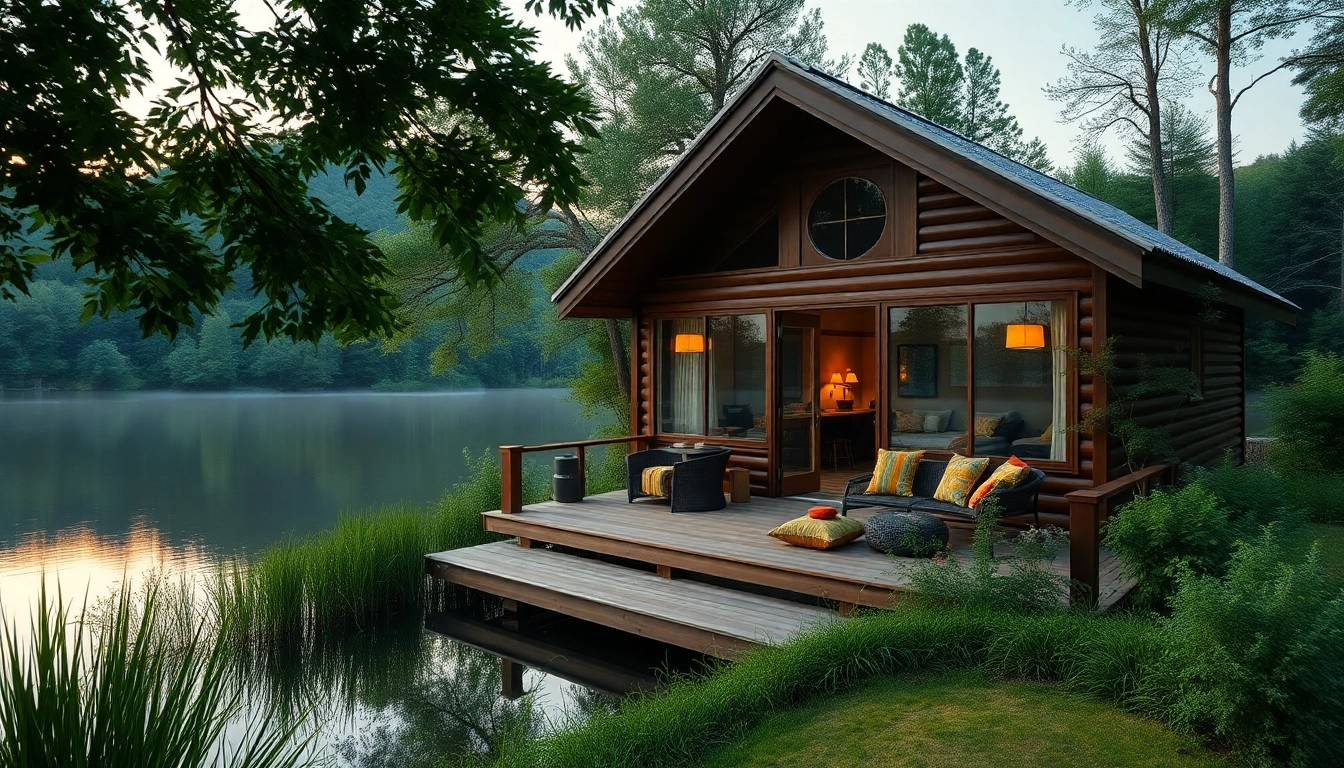
Understanding the Concept of Wellness Retreat
Defining a Wellness Retreat
A wellness retreat is a temporary getaway designed for relaxation and rejuvenation. While retreats can vary significantly, they typically focus on enhancing mental, physical, and emotional well-being through a variety of holistic practices, activities, and environments conducive to personal growth. The scenic beauty of the locations, coupled with specialized programs, creates a unique atmosphere that is often far removed from daily life stressors.
Benefits of Attending Wellness Retreat
One of the primary benefits of attending a wellness retreat is the opportunity for deep relaxation. This is facilitated through various therapeutic practices, helping individuals to disconnect from everyday worries. Furthermore, wellness retreats tend to foster community and connection among participants, providing a network of support and shared experiences. This shared journey can lead to lasting friendships and a sense of belonging.
Additionally, these retreats often emphasize education about health and well-being. Participants can learn about nutrition, physical fitness, mindfulness, and other critical elements of a healthy lifestyle. Ultimately, the comprehensive approach to wellness during retreats promotes not only immediate relaxation but also long-term changes that can lead to healthier habits.
Types of Wellness Retreat
Wellness retreats can be grouped into several categories, each catering to different aspects of well-being:
- Yoga Retreats: Focused on physical postures, breathing exercises, and meditation, yoga retreats promote a deep connection between body and mind.
- Detox Retreats: Aimed at cleansing the body of toxins through specialized diets, detox retreats often incorporate holistic therapies like massage and herbal treatments.
- Mindfulness Retreats: These focus on mental well-being through practices like meditation and mindfulness, encouraging self-awareness and emotional balance.
- Adventure Retreats: For those looking to combine physical activity with their wellness journey, these retreats include hiking, kayaking, or other outdoor activities to invigorate both body and soul.
- Creative Retreats: Focused on artistic expression, these retreats provide an environment to explore creativity through art, writing, or music as a means of self-discovery.
Choosing the Perfect Wellness Retreat for You
Assessing Your Needs and Goals
Identifying your needs and goals is the first step in selecting the right wellness retreat. Consider what you hope to achieve during your escape—be it relaxation, rejuvenation, personal growth, or a combination of these. Self-reflection can help clarify your intentions. Ask yourself what areas of your life you seek to improve, be it physical health, mental clarity, or emotional balance.
Evaluating Locations and Settings
The location of your wellness retreat plays a significant role in your experience. Do you prefer a serene beach, a lush forest, or a tranquil mountain setting? Each environment offers distinct advantages and ambiance, influencing your overall journey. Consider accessibility, climate, and available activities in the area to ensure they align with your personal preferences.
Reading Reviews and Testimonials
Before finalizing a retreat, it’s crucial to read reviews and testimonials. Look for feedback from previous attendees regarding their experiences, the effectiveness of programs, and the overall ambiance. Reliable sources, such as travel blogs and wellness forums, can provide valuable insights, helping you make an informed decision based on authentic experiences.
Activities & Programs Offered in Wellness Retreat
Meditation and Mindfulness Programs
Most wellness retreats incorporate a variety of meditation and mindfulness programs. These offerings can range from guided meditation sessions and breathwork workshops to silent retreats focusing on inner reflection. Engaging in these practices can help reduce anxiety, improve focus, and cultivate a deeper sense of peace within participants.
Physical Activities and Fitness Classes
Physical well-being is an essential component of holistic health, and many wellness retreats offer diverse fitness classes. From yoga and Pilates to hiking and dance, there are options for every fitness level. These activities promote physical health while also offering opportunities for social interaction and connection with fellow participants.
Nutrition and Wellness Workshops
Understanding nutrition is a vital aspect of overall wellness. Many retreats include workshops focused on healthy eating, cooking demonstrations, and nutrition education. This knowledge empowers participants to make informed choices that sustain their health and well-being long after the retreat concludes.
Preparing for Your Wellness Retreat Experience
What to Pack for a Wellness Retreat
Preparation is key to maximizing your retreat experience. Depending on your chosen retreat, packing may include essential items like comfortable clothing, yoga mats, and specific outdoor gear. Also, don’t forget personal items such as journals for reflection, books for downtime, and any necessary medications. Each retreat may have unique requirements, so reviewing the provided guidelines is essential.
Mental Preparation and Setting Intentions
Entering your wellness retreat with clear intentions can significantly enhance your experience. Take time to reflect on what you hope to achieve during your stay. Consider journaling your thoughts or meditating on your goals, establishing a mindset that is open, receptive, and ready for change.
Staying Open to New Experiences
Flexibility and openness are critical when embarking on a wellness retreat. Approaching the experience with curiosity allows you to fully engage in activities and program offerings. You may discover personal interests and practices that resonate deeply with you, enriching your overall journey.
Maximizing Your Wellness Retreat Benefits
Engaging Fully in the Experience
To truly benefit from a wellness retreat, immerse yourself wholly in the activities and communal atmosphere. Engage with facilitators and fellow participants, share your experiences, and participate in discussions. This level of engagement enhances learning and fosters connections that can last well beyond the retreat.
Creating a Post-Retreat Action Plan
As your retreat comes to an end, consider developing a post-retreat action plan. Identify practices or habits you want to integrate into your daily life that correspond to the lessons learned during your stay. Setting concrete goals and timelines can help you maintain the momentum gained from your experience.
Staying Connected with New Friends
The connections made during a wellness retreat can be transformative. Stay in touch with fellow participants and share your wellness journey as time goes on. Many retreats facilitate ongoing communities via social media or email lists, ensuring you continue to feel supported and inspired as you return to everyday life.
Frequently Asked Questions
What is the purpose of a wellness retreat?
A wellness retreat aims to promote mental, physical, and emotional health through various holistic practices, educational workshops, and a supportive community environment.
How long do wellness retreats typically last?
Wellness retreats can vary in length, typically lasting from a weekend to several weeks, depending on the programs offered and individual preferences.
Are wellness retreats suitable for beginners?
Yes, most wellness retreats are designed to accommodate participants of all skill levels. Beginners are encouraged to participate at their pace and comfort level.
What should I expect during a wellness retreat?
You can expect a blend of relaxation, structured activities, workshops, and social interactions all aimed at enhancing your well-being and personal growth.
How do I choose the right wellness retreat for my needs?
Assess your wellness goals, research different types of retreats, evaluate locations, and read reviews to find a retreat that aligns with your personal needs and preferences.