






Bed bugs are nocturnal pests that can turn a peaceful night’s sleep into a nightmare. As their name suggests, these insects often make themselves at home in bedding, mattresses, and furniture. If you’re facing an infestation, understanding how to tackle it effectively is crucial. This article comprehensively details effective bed bug removal techniques, essential preparation steps, and maintenance strategies to ensure a bed bug-free environment.
Understanding Bed Bug Infestations
What Are Bed Bugs?
Bed bugs are small, reddish-brown insects measuring about 5 to 7 millimeters in length, resembling an apple seed. They belong to the Cimicidae family and are primarily nocturnal, feeding on the blood of humans and animals. They can thrive in diverse environments, including homes, hotels, and public transportation, making them a widespread issue.
Signs of Bed Bug Presence
Identifying a bed bug infestation early can prevent severe consequences. Common signs include:
- Red, itchy bites: Primarily on exposed skin.
- Dark spots: These may be fecal stains left on bedding or furniture.
- Eggs and skins: Shed skins and eggs can be found in crevices and seams.
- Unpleasant odor: A musty smell may be present, caused by their scent glands.
The Life Cycle of Bed Bugs
Understanding the life cycle of bed bugs is crucial for effective removal. Their development includes five nymph stages, each needing a blood meal to progress to the next stage. From egg to adult, it typically takes about 5 to 6 weeks, allowing infestations to grow rapidly if not addressed promptly.
Common Methods for Bed Bug Removal
Heat Treatment Explained
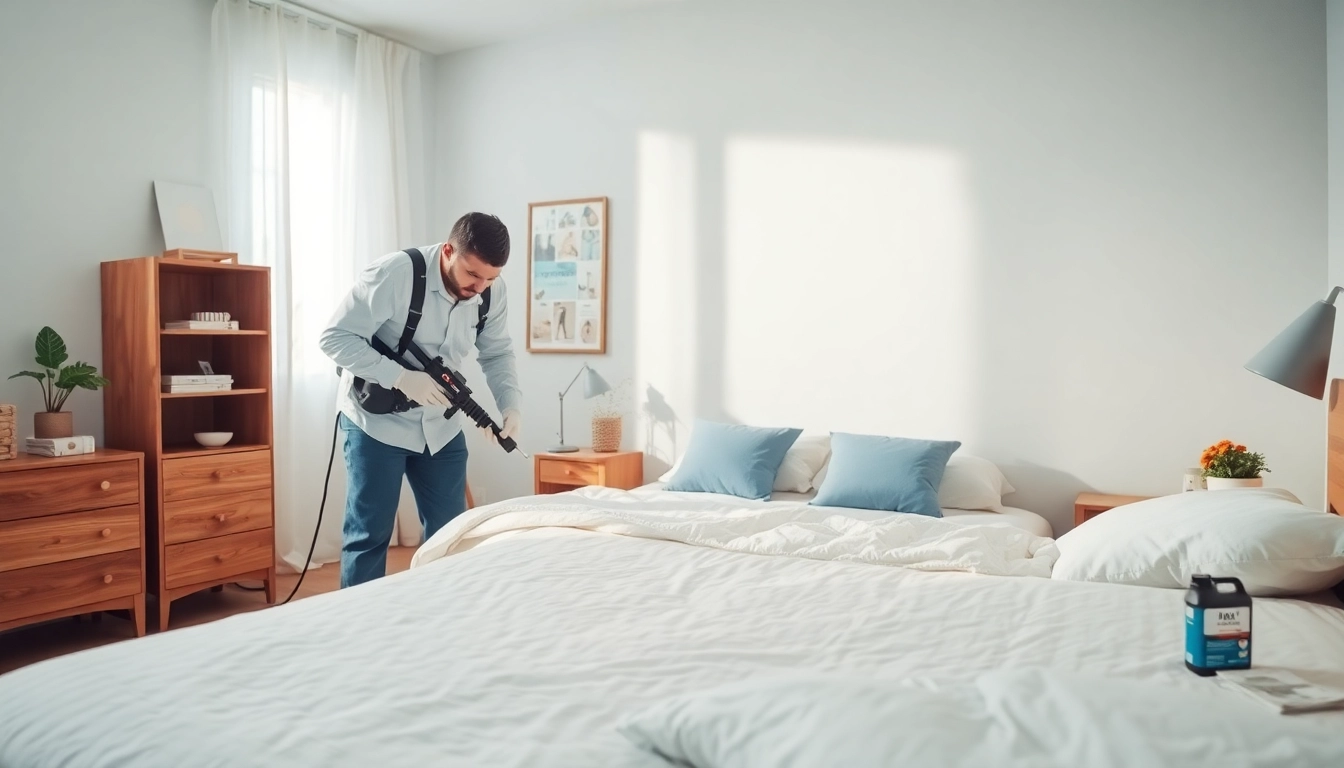
Heat treatment is one of the most effective methods for eradicating bed bugs. It involves heating infested areas to temperatures between 118°F (48°C) and 140°F (60°C) for a sustained period. This method effectively eliminates not only adult bed bugs but also their eggs and larvae. Typically, professional services may use specialized equipment to ensure even heat distribution.
Insecticide Applications
Insecticides can also play a vital role in bed bug removal. Several types of insecticides are available, including:
- Pyrethroids: Commonly used due to their effectiveness against bed bugs.
- Insect Growth Regulators (IGRs): These disrupt the growth and reproduction cycle of bed bugs.
- Desiccants: Products like diatomaceous earth cause dehydration and death.
Always ensure that insecticides are applied per label instructions, and consider hiring a professional for application to maximize effectiveness and safety.
DIY Bed Bug Removal Solutions
While hiring professionals is often recommended, some homeowners may opt for DIY solutions. Here are practical approaches:
- Laundering: Wash all bedding, clothing, and stuffed animals in hot water (at least 120°F) and dry them on high heat.
- Vacuuming: Regular vacuuming can physically remove bed bugs and their eggs. Ensure to dispose of vacuum bags properly.
- Encasements: Bed bug-proof mattress and box spring encasements trap bugs inside and prevent new infestations.
While these methods can be effective for minor problems, they often do not suffice for significant infestations.
Preparing Your Home for Extermination
How to Declutter and Clean
Before extermination, prepare your home by decluttering and cleaning. Begin by:
- Removing unnecessary items, especially from bedrooms.
- Vacuuming all surfaces and crevices to eliminate bugs and eggs.
- Disposing of infested items responsibly to minimize the spread.
A clean, organized space will facilitate more effective treatment and reduce hiding spots for the pests.
Steps to Isolate Infested Areas
To prevent infestation spread, isolate affected areas. This can be done by:
- Keeping doors closed in infested rooms.
- Encasing furniture and mattresses to limit bug movement.
- Avoiding the movement of items from infested to unaffected areas.
Isolation helps ensure concentrated treatment in infested areas, improving removal effectiveness.
Important Safety Precautions
Safety is paramount during extermination. Follow safety guidelines such as:
- Using protective gear such as masks and gloves when handling pesticides.
- Ensuring that children and pets are kept away from treatment areas.
- Following product instructions carefully to prevent accidents.
Choosing Professional Bed Bug Removal Services
Benefits of Hiring Experts
Employing professionals can significantly increase the odds of effective bed bug removal. Experts possess the necessary training, experience, and tools to handle infestations efficiently. Additionally, they usually offer warranties and follow-up inspections to ensure long-term results.
What to Look for in an Exterminator
When selecting an exterminator, consider the following criteria:
- Licensing and Certification: Ensure they meet state requirements.
- Experience: Look for companies with a proven track record in bed bug removal.
- Technological Tools: Ask about their methods and equipment used for treatment.
- Customer Reviews: Seek feedback from previous clients for reliability and effectiveness.
Understanding Service Costs
Costs for professional bed bug removal can vary widely based on factors such as infestation size and location. Typically, prices can range from several hundred to a couple of thousand dollars. Get multiple estimates and ask for a breakdown of services to ensure you understand what you are paying for.
Maintaining a Bed Bug-Free Environment
Regular Inspections and Monitoring
Post-extermination, regular inspections can help ensure your home remains bed bug-free. Implement a routine check of common hotspots, including bedding, carpets, and furniture, at least once a month. Monitoring traps can also alert you to the presence of any returning pests.
Best Practices for Prevention
Preventing future infestations requires consistent effort. Follow these best practices:
- Avoid picking up second-hand furniture without inspecting it thoroughly.
- Always check hotel rooms before unpacking luggage.
- Use protective covers on mattresses and box springs.
- Maintain a clutter-free environment where bugs can easily be detected.
What to Do If Bed Bugs Reappear
If you suspect that bed bugs have returned, act quickly. Immediately isolate the infested area and seek professional treatment. Documenting your findings can help exterminators understand the extent of the new infestation.
Frequently Asked Questions
Are bed bugs harmful to health?
Bed bugs are not known to transmit diseases, but their bites can cause discomfort, allergic reactions, and secondary infections from scratching.
Can bed bugs survive in cold temperatures?
Bed bugs can survive temperatures below freezing, but prolonged exposure can kill them. Keeping infested items in a freezer at 0°F (-18°C) for several days is effective.
How quickly can a bed bug infestation spread?
Bed bug infestations can spread rapidly, with a single female laying hundreds of eggs in her life span. An untreated colony can expand significantly in a few months.
Is it safe to stay in a house with bed bugs?
While not strictly hazardous, staying in an infested home can lead to discomfort and poor sleep quality. It’s best to limit movement to infested areas until treatment is completed.
What household products can help with bed bugs?
Household products such as baking soda and diatomaceous earth can help dehydrate and kill bed bugs. However, they are typically less effective than professional treatments.