







Understanding the Importance of Annual Pest Inspection
Defining Annual Pest Inspection
An annual pest inspection is a systematic evaluation of a property conducted by pest control professionals to identify potential and existing pest problems. This thorough examination can unveil the presence of various pests, their nesting habits, and potential entry points into your home. The inspection typically covers both the interior and exterior of a property, ensuring that all areas are scrutinized for signs of pest activity.
Benefits of Regular Inspections
Investing in regular inspections offers numerous advantages. Firstly, they help in early detection of pest issues, which can prevent a minor infestation from escalating into a severe problem. Early intervention can save homeowners from costly repairs associated with pest damage, such as that caused by termites, rodents, and certain insects. Additionally, routine inspections help in maintaining a healthy living environment by reducing the risk of health issues tied to pest exposure, such as allergies and asthma. Lastly, consistent monitoring builds peace of mind, allowing residents to enjoy their homes without the looming worry of pest problems.
Common Pests Targeted During Inspections
Annual pest inspections focus on various common pests that can invade homes. Some of the most frequently encountered include:
- Termites: Known for causing significant structural damage, termites can silently eat away at wood, making early detection crucial.
- Rodents: Mice and rats can contaminate food sources and spread disease. Inspections help identify signs of their presence.
- Ants: Different species of ants can invade homes, often in search of food or shelter, requiring targeted control strategies.
- Bed Bugs: These pests can disrupt sleep and cause discomfort. Identification in the early stages is vital for effective eradication.
- Wasps and Bees: Nests can pose risks to humans, especially those allergic to stings, highlighting the need for inspections.
How to Prepare for Your Annual Pest Inspection
Homeowner Checklist for Inspection Day
Preparation is key to ensuring a smooth and effective annual pest inspection. Here’s a checklist for homeowners:
- Clear away any furniture or objects near pest-prone areas such as basements, attics, and crawl spaces.
- Ensure access to attics and basements is unobstructed.
- Secure pets in a designated area to avoid distractions during the inspection.
- Share any previous pest issues or concerns with the inspector to pinpoint areas of focus.
Removing Barriers to Access
Homeowners can facilitate the inspection by removing barriers that could impede the inspector’s access. This includes relocating heavy furniture, securing pets, and clearing debris from exterior areas. Not only does this help in conducting a thorough inspection, but it ensures that no potential pest entry points are overlooked.
Communicating with Your Inspector
Effective communication with your pest inspector is essential. Provide them with any relevant information about your property’s history regarding pest infestations. Highlight specific concerns, such as sightings or unusual noises. This helps the inspector tailor their evaluation and focus on particular areas that may require more attention.
What to Expect During an Annual Pest Inspection
Typical Steps in the Inspection Process
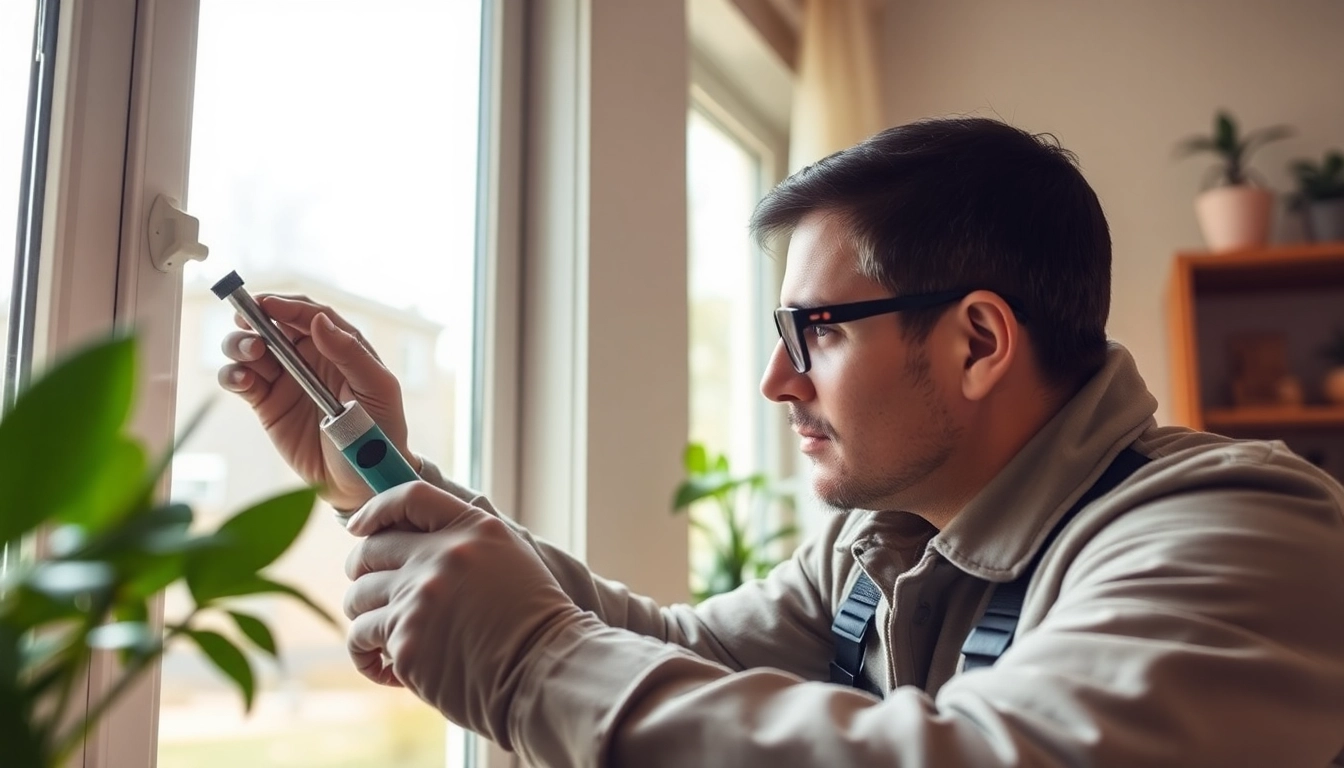
The inspection process generally follows a consistent pattern. Initially, the inspector will interview you about any observed pest problems or concerns. Following this, they will conduct an extensive walkthrough of the property, both inside and out, checking for signs of infestations, droppings, nests, and structural damages. Additionally, they may inspect hard-to-reach areas using specialized tools.
Tools and Techniques Used by Professionals
Pest control professionals are equipped with multiple tools and techniques to effectively assess a property. Common tools include:
- Flashlights: To illuminate dark areas and detect signs of pest activity.
- Inspection Mirrors: Handy for looking into tight spaces and behind furniture.
- Moisture Meters: Used to identify areas with excessive moisture that may attract pests.
- Traps: Some inspectors may set traps to catch any accessible pests during the inspection.
Timeframe and Costs Involved
The duration of an annual pest inspection can vary based on property size and complexity, typically ranging from 30 minutes to several hours. Costs may also fluctuate depending on the size of the home, the region, and the scope of services included. However, most homeowners find the expense to be a worthwhile investment when considering the potential damage and health risks associated with pest infestations.
Post-Inspection: Next Steps and Recommendations
Understanding the Report and Findings
After the inspection, homeowners will receive a detailed report outlining the findings. This report often includes photographs, notes on signs of infestation, and recommendations for any necessary treatments. It is crucial to thoroughly review the report and ask your inspector for clarification on any points that may be unclear.
Implementing Recommendations Effectively
Once you have a clear understanding of the inspector’s findings, the next step is to address any highlighted concerns. This may involve scheduling pest control treatments, making structural repairs, or implementing preventative measures. Following these recommendations diligently will significantly reduce future pest risks.
Scheduling Follow-Up Services
Post-inspection, it is often advisable to schedule follow-up services to monitor pest activity. Treatments may need to be reapplied, and follow-up inspections can ensure that measures taken are proving effective. Many pest control companies offer seasonal packages or maintenance plans for convenience.
Frequently Asked Questions About Annual Pest Inspection
How often should I schedule an annual pest inspection?
It is recommended to schedule an annual pest inspection to keep your home protected, especially if you live in areas prone to pests.
Are there specific pests to be aware of in my area?
Yes, some pests are more common in certain regions. Local pest control professionals can provide insights on specific threats in your area.
Can I stay at home during the inspection?
Yes, you can be home during the inspection, but it’s often more convenient to be out of the way to allow the inspector access to all areas.
What should I do if pests are found during the inspection?
If pests are discovered, follow the inspector’s recommendations for treatment and possibly schedule further services if needed.
Is an annual pest inspection worth the investment?
Absolutely! The cost of prevention and early intervention through annual inspections can save significantly on repair costs and improve your home’s safety.