








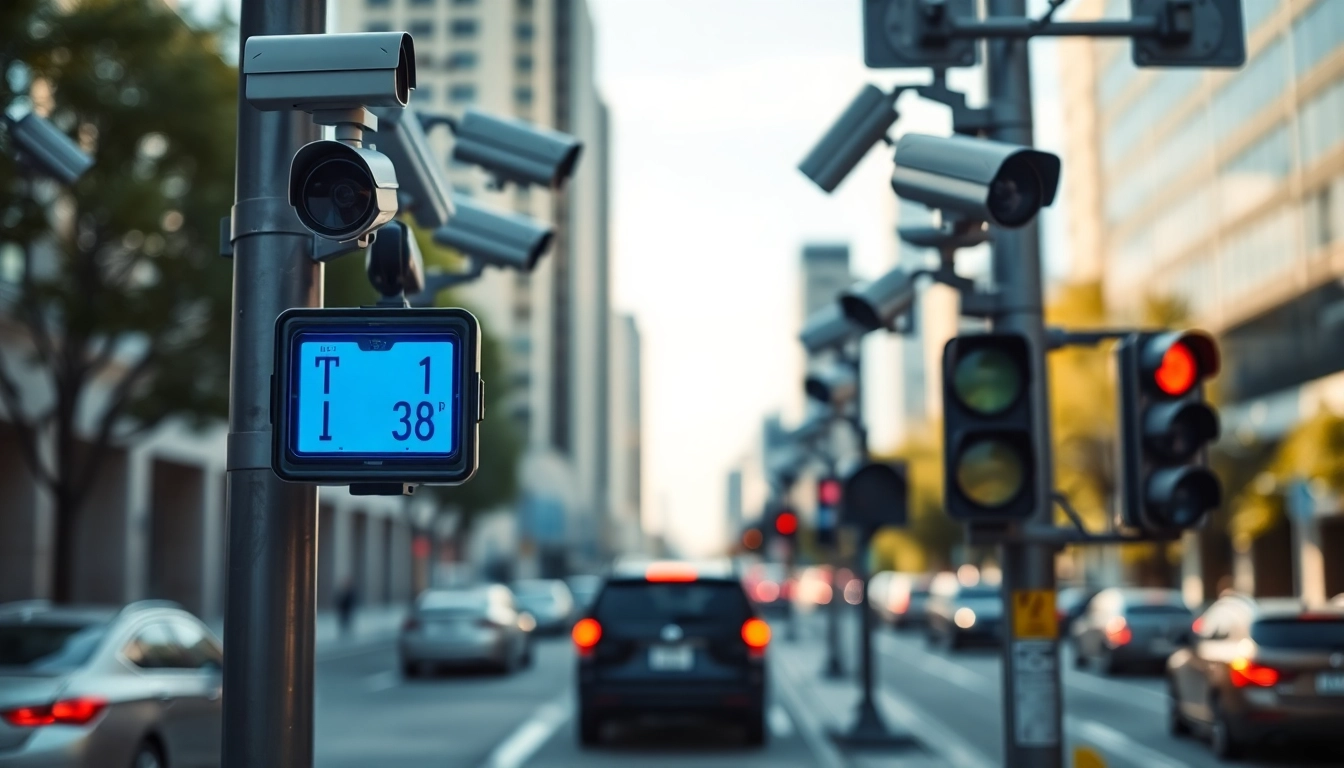
Understanding Automatic License Plate Recognition
What is Automatic License Plate Recognition?
Automatic License Plate Recognition, often referred to as ALPR, is a sophisticated technology that utilizes optical character recognition (OCR) to convert images of vehicle license plates into machine-readable text. The primary function of automatic license plate recognition systems is to automate the process of capturing and analyzing license plate data from vehicles, which can subsequently be used for a variety of applications, such as law enforcement, traffic management, and parking solutions.
How Does Automatic License Plate Recognition Work?
The operation of automatic license plate recognition systems generally involves several key steps:
- Image Capture: High-resolution cameras capture images of vehicles as they pass by, often using infrared technology to ensure visibility in various lighting conditions.
- Image Processing: The captured images are processed using advanced software that isolates and enhances the license plate within the image.
- Data Extraction: Optical character recognition technology is employed to read the plate number and convert it into text format.
- Database Comparison: The extracted data is then matched against various databases, which might include law enforcement hotlists, registration databases, or toll collection systems.
This comprehensive approach allows for quick and accurate identification of vehicles, improving operational efficiency across multiple sectors.
Key Components of Automatic License Plate Recognition Systems
The reliability and effectiveness of automatic license plate recognition systems hinge on several vital components, including:
- Cameras: High-definition, high-speed cameras designed to capture clear images of plates at various distances and speeds.
- Lighting Systems: Infrared or LED lighting systems may be integrated to enhance visibility in low light conditions.
- Software: Advanced processing software that utilizes machine learning algorithms for accurate text recognition and data analysis.
- Storage Solutions: Robust databases to store captured data securely and efficiently for future reference.
Applications of Automatic License Plate Recognition
Law Enforcement and Public Safety
Law enforcement agencies have widely adopted automatic license plate recognition technology as a critical tool for enhancing public safety. The systems enable officers to:
- Quickly identify stolen vehicles or those associated with criminal activity by comparing real-time reads to databases.
- Monitor traffic patterns and vehicle locations as part of broader crime prevention strategies.
- Reduce manual data entry errors, ensuring more accurate record-keeping and case management.
Parking Management
In the realm of parking management, automatic license plate recognition facilitates several enhancements:
- Streamlined entry and exit for vehicles in parking facilities, allowing for automated gate openers and reduced queues.
- Efficient enforcement of parking regulations through real-time monitoring of parked vehicles.
- Integration with payment systems to facilitate seamless transactions based on vehicle identification.
Toll Collection and Traffic Monitoring
The implementation of automatic license plate recognition has revolutionized toll collection, especially on highways, providing benefits such as:
- Automated toll collection, minimizing the need for toll booths and thus reducing traffic congestion.
- Real-time traffic monitoring and management based on license plate data, which aids in traffic flow optimization.
- Improved accuracy in toll assessment based on vehicle classification using license plates.
Advantages of Automatic License Plate Recognition
Increased Efficiency and Accuracy
One of the most significant advantages of automatic license plate recognition is its ability to enhance operational efficiency and accuracy significantly. Manual processes of tracking vehicle movements or identifying vehicles are often prone to human error. In contrast, ALPR systems automate these processes, ensuring a higher level of precision.
Data Management and Storage Benefits
Automatic license plate recognition solutions facilitate effective data management by:
- Storing large volumes of data securely for analytics and future reference.
- Enabling easy access to historical data and trends for various applications, from law enforcement to urban planning.
- Allowing stakeholders to make informed decisions based on comprehensive data analytics.
Cost-Effective Solutions
The initial investment in automatic license plate recognition systems can lead to substantial long-term savings by reducing operational costs associated with manual tracking and reporting. For instance, automating parking management can decrease the need for staff and streamline operational workflows, resulting in cost efficiencies for municipalities and businesses alike.
Challenges in Implementing Automatic License Plate Recognition
Privacy Concerns and Ethical Considerations
Despite the many benefits, the implementation of automatic license plate recognition raises significant privacy concerns. Issues surrounding data collection, storage, and usage necessitate stringent regulations and transparency:
- Policies should be established to govern who has access to the data and how it is used.
- Stakeholders must engage in public discussions to address concerns over surveillance and data misuse.
Technical Limitations and Accuracy Issues
While advancements in technology have improved the effectiveness of automatic license plate recognition, challenges remain in specific areas:
- Variability in license plate design, state regulations, and weather conditions can affect recognition accuracy.
- System performance may be impacted by camera placement and environmental obstructions.
Regulatory Compliance
Compliance with local, state, and federal regulations regarding data handling is essential. Organizations must navigate various legal frameworks while developing and implementing automatic license plate recognition systems to ensure respect for privacy rights and legal obligations.
Future Trends in Automatic License Plate Recognition
Advancements in Technology
As technology continues to evolve, the future of automatic license plate recognition promises even greater capabilities:
- Integration of machine learning algorithms will enhance accuracy and adaptability.
- The use of artificial intelligence features will improve anomaly detection and predictive analytics.
Integration with Smart Cities
The incorporation of automatic license plate recognition in smart city frameworks will lead to improved urban planning and management:
- Real-time data analytics can facilitate smarter traffic management systems, reducing congestion and emissions.
- ALPR can assist in vehicle flow monitoring, parking optimization, and urban mobility services.
Potential for Increased Usage in Various Sectors
As the technology becomes more accessible and affordable, we can expect increased adoption of automatic license plate recognition in diverse sectors beyond law enforcement and parking management:
- Logistics and supply chain management can utilize ALPR for vehicle tracking and fleet management.
- Retail businesses can leverage ALPR for customer insights and shopping behavior analysis.
Frequently Asked Questions
What is the primary function of automatic license plate recognition?
Automatic license plate recognition systems automatically capture images of license plates and convert them into alphanumeric text for analysis against databases.
Is the data collected by automatic license plate recognition systems secure?
Data security varies by system, but robust technologies can encrypt and store data securely to help mitigate privacy concerns.
Can automatic license plate recognition be used in real-time?
Yes, many systems are designed to operate in real-time, providing instant alerts for flagged vehicles and improving response times for authorities.
What measures can enhance the accuracy of automatic license plate recognition?
Quality cameras, optimal lighting conditions, and regular software updates are crucial in significantly improving detection accuracy and system reliability.
What industries benefit the most from automatic license plate recognition?
Key sectors benefiting from this technology include law enforcement, transportation, parking management, and logistics, each leveraging ALPR for various applications.