








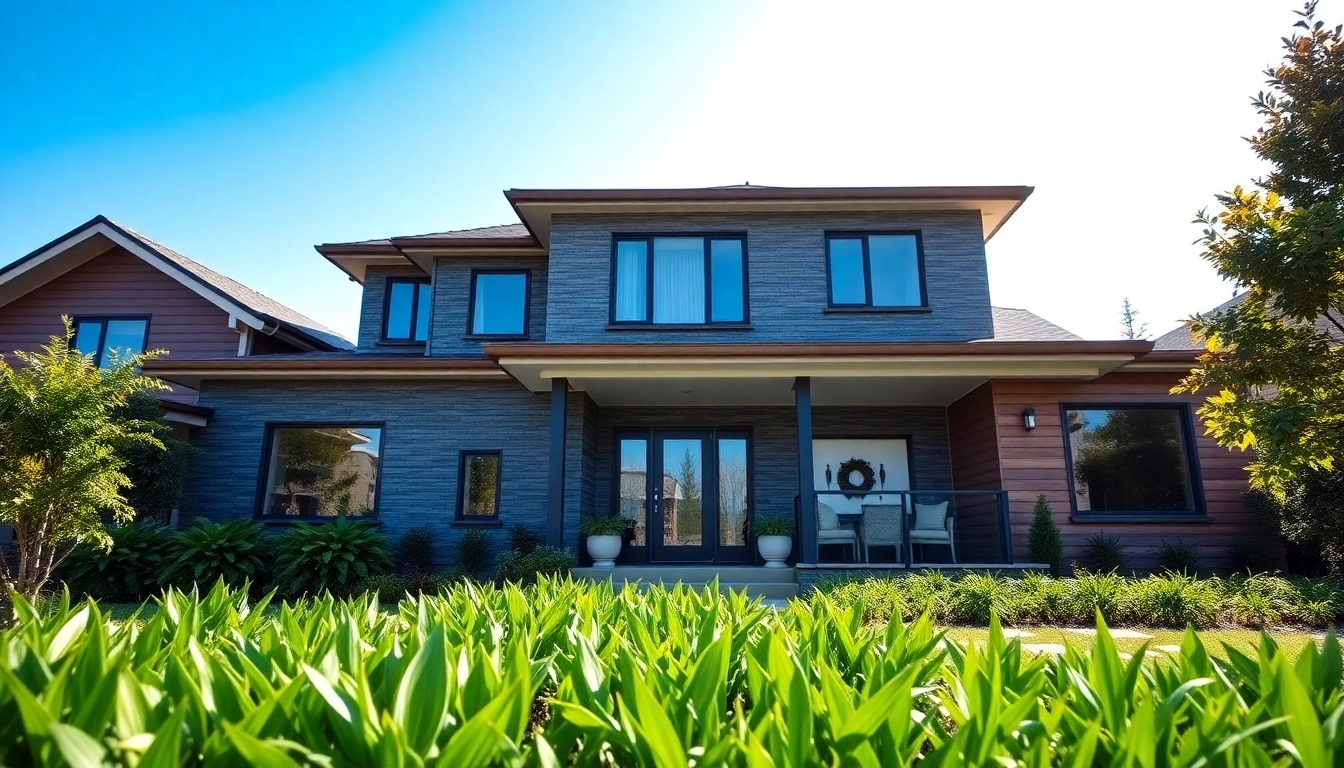
Understanding Exterior Decorative Cladding
What is Exterior Decorative Cladding?
Exterior Decorative Cladding refers to materials applied to the external walls of a building to enhance its aesthetic appeal while providing protection against environmental elements. This approach not only improves the visual interest of a home but also offers practical benefits such as insulation and weather resistance. Exterior Decorative Cladding can be composed of various materials, allowing homeowners to select options that align with their design vision and functional requirements.
Materials Used in Exterior Decorative Cladding
A plethora of materials can be utilized for exterior decorative cladding, each offering distinct advantages. Some common choices include:
- Wood: A classic choice that offers warmth and character. It can be stained or painted to suit any style.
- Vinyl: Known for its low maintenance and variety of colors, vinyl is a practical option for homeowners seeking longevity.
- Fiber Cement: This material combines the durability of cement with the aesthetic flexibility of wood. It is fire-resistant and insect-resistant.
- Metal: Offering a sleek and modern look, metal cladding is highly durable and weather-resistant, making it suitable for diverse climates.
- Brick and Stone: These materials provide an authentic and timeless appearance, known for their strength and ability to withstand various weather conditions.
Advantages of Using Exterior Decorative Cladding
The use of exterior decorative cladding comes with numerous benefits that can enhance both the design and functionality of a home:
- Aesthetic Appeal: Cladding can significantly improve the curb appeal of a home, making it more attractive and inviting.
- Protection: High-quality cladding protects against moisture, wind, and UV rays, prolonging the life of the underlying structure.
- Insulation: Effective cladding can enhance thermal insulation, reducing energy costs by keeping homes warmer in winter and cooler in summer.
- Variety of Styles: With a myriad of materials and designs available, homeowners can create unique appearances that reflect personal tastes.
- Low Maintenance: Many modern cladding materials require minimal upkeep, saving time and resources.
Design Ideas for Your Exterior Decorative Cladding
Modern Style Influences
In recent years, contemporary architecture has embraced sleek lines and minimalistic designs. Exterior decorative cladding can play a critical role in achieving these modern aesthetics. For example, using large panels of fiber cement in muted tones can provide a stylish and sophisticated look. Additionally, integrating horizontal wood slats can create a dynamic visual impact while echoing natural forms.
Combining Colors and Textures
One of the most compelling aspects of exterior decorative cladding is the opportunity to experiment with color and texture. For instance, a combination of light-colored stone cladding with dark wood accents can create a striking contrast that captivates attention. Additionally, mixing various materials, such as metal and wood, can enhance the dimensionality of a structure, making it visually interesting from different angles.
Incorporating Nature with Cladding
Bringing elements of nature into architectural design can be achieved through the thoughtful use of exterior decorative cladding. Utilizing natural materials like reclaimed wood or stone can create a seamless transition between the home and its surroundings. Furthermore, incorporating living walls or planters into the cladding design fosters biodiversity and enhances the natural beauty of the residence.
Installation Process of Exterior Decorative Cladding
Preparation and Planning
Before undertaking the installation of exterior decorative cladding, thorough preparation and meticulous planning are essential. Homeowners should begin by assessing the existing structure, identifying any necessary repairs, and ensuring the surface is clean and dry. A comprehensive plan should include material selection, design layout, and budget considerations.
Installation Techniques
The installation techniques for exterior decorative cladding may vary depending on the chosen material. However, general steps typically include:
- Framework Preparation: Construct a suitable framework to support the cladding, ensuring it adheres to building codes.
- Installation: Secure the cladding panels according to the manufacturer’s instructions, ensuring proper alignment and spacing.
- Sealing and Finishing: Use appropriate caulks and seals to protect joints and seams from moisture infiltration.
Maintenance and Care
Regular maintenance is crucial to prolong the life and appearance of exterior decorative cladding. This may include routine cleaning, inspections for damage, and applying protective coatings or finishes as needed. Homeowners should consult specific care guidelines based on the material used to ensure longevity and optimal performance.
Choosing the Right Exterior Decorative Cladding for Your Home
Assessing Your Home’s Architecture
When selecting exterior decorative cladding, it’s vital to consider your home’s architectural style. Traditional homes may benefit from classic materials like wood, while modern constructions can leverage contemporary products like metal or panels with sharp lines. Understanding the existing design will help in selecting a cladding option that complements and enhances the overall aesthetic.
Climate Considerations
Climate plays a pivotal role in material selection. In areas prone to extreme weather conditions, durable options like fiber cement or metal cladding are advisable for their weather-resistant properties. Conversely, milder climates may allow for more stylistically diverse options, such as wood, though regular maintenance should be a consideration.
Cost vs. Value Analysis
It’s crucial to evaluate the cost of various exterior decorative cladding options against their long-term value. While initial investments in high-quality materials may be higher, their durability and lower maintenance needs can result in cost savings over time. Homeowners should perform a thorough cost analysis to make informed decisions that fit within their budget while fulfilling their design goals.
FAQs about Exterior Decorative Cladding
What types of materials are available for exterior decorative cladding?
Common materials include wood, vinyl, fiber cement, and metal, each offering unique benefits and aesthetics for diverse styles.
Is exterior decorative cladding weather-resistant?
Most cladding materials are designed to withstand weather conditions, ensuring durability and maintaining aesthetic appeal over time.
How does exterior decorative cladding affect home insulation?
Cladding can improve insulation, reducing energy loss and contributing to a more energy-efficient home while enhancing comfort levels.
Can I install exterior decorative cladding myself?
With proper tools, materials, and instructions, many homeowners can undertake installation, but professional assistance is advised for complex projects to ensure quality.
What is the lifespan of exterior decorative cladding?
Lifespan varies by material; wood may last 10-30 years, while fiber cement and metal options can exceed 50 years when properly maintained.