








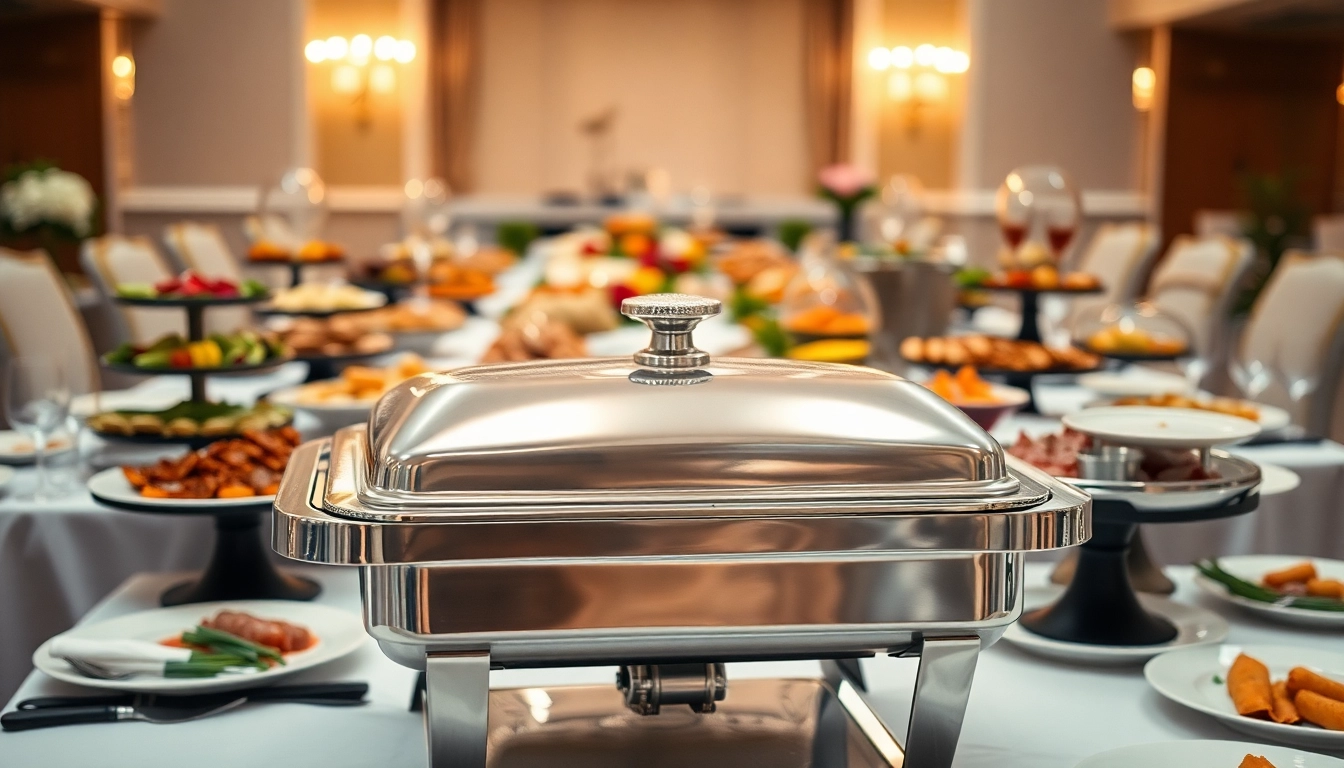
Understanding the Chafing Dish
What is a Chafing Dish?
A chafing dish is a popular serving vessel designed to keep food warm during gatherings and events. Typically made from metal and equipped with a heating source, this elegant food warmer is a staple in buffet-style dining. Chafing dishes come in various shapes and sizes, often featuring a lid to retain heat and maintain the quality of the food inside. They usually sit atop a stand to elevate the food and make it more accessible to guests.
Common Uses for Chafing Dishes
Chafing dishes are commonly used in a variety of settings, including:
- Buffets: Perfect for keeping multiple dishes warm at once.
- Catering Events: Essential for weddings, corporate functions, and parties.
- Food Stations: Great for interactive dining experiences where guests serve themselves.
- Home Gatherings: Ideal for family reunions, holiday dinners, and potlucks.
Different Types of Chafing Dishes
There are several types of chafing dishes available, each designed for specific circumstances and styles:
- Rectangular Chafing Dishes: The most common type, suitable for large gatherings.
- Round Chafing Dishes: Ideal for smaller portions and more intimate settings.
- Roasting Pans: Designed to hold larger portions of food, perfect for meats and casseroles.
- Stainless Steel Chafing Dishes: Durable and stylish, providing a modern aesthetic.
- Disposable Chafing Dishes: Convenient for outdoor events, minimizing cleanup.
Choosing the Right Chafing Dish
Factors to Consider When Selecting
When selecting a chafing dish, consider the following factors to ensure it meets your needs:
- Event Type: Consider the formality of your event. A shiny stainless steel chafing dish may be more appropriate for a wedding.
- Food Type: Ensure the chafing dish can accommodate the types of food you intend to serve.
- Guest Count: Choose sizes that align with the number of guests you anticipate. Larger gatherings may require multiple chafing dishes.
- Style: Match the chafing dish style with your overall event decor.
Material Options and Their Benefits
Chafing dishes come in various materials, each with its unique benefits:
- Stainless Steel: Highly durable, resistant to corrosion, and easy to clean.
- Aluminum: Lightweight and portable, making it suitable for outdoor events.
- Glass: Provides an elegant look but should be handled with care due to fragility.
- Copper: Excellent heat conductivity but requires more maintenance to keep its shine.
Size and Capacity Guidelines
Choosing the right size chafing dish involves understanding the capacity needed for your event. Consider the following guidelines:
- Small (2.5 to 4 quarts): Suitable for appetizers or small sides.
- Medium (5 to 8 quarts): Ideal for main courses or larger portions for small gatherings.
- Large (10 quarts and above): Recommended for buffets, hosting larger events or functions.
Best Practices for Using Chafing Dishes
How to Maintain Food Temperature
Maintaining food temperature is crucial to ensure safety and quality. Follow these best practices:
- Preheat Your Dishes: Warm the chafing dish before adding food to maintain optimal temperature longer.
- Use Liquid Fuel: Ensure the chafing dish is filled with enough water or use gel fuel for consistent heating.
- Check Temperatures: Use a food thermometer to observe that food stays above 140°F.
Setting Up for Events
Setting up chafing dishes for events requires some planning and organization:
- Layout: Plan the layout of your serving area to accommodate guest flow and accessibility.
- Label Dishes: Use clear labels for each dish to avoid confusion among guests.
- Keep Utensils Handy: Provide proper serving utensils for each chafing dish to maintain hygiene and ease of service.
Food Pairing Tips for Chafing Dishes
Select complementary food pairs to enhance the dining experience:
- Meats: Pair with side dishes like roasted vegetables or rice.
- Pasta: Best accompanied by salads or toasted bread.
- Desserts: Offer a mix of sweet flavors such as pies with fresh fruits.
Cleaning and Maintenance of Chafing Dishes
Step-by-Step Cleaning Guide
Proper cleaning is essential for longevity and hygiene. Follow this step-by-step guide:
- Cool Down: Allow the chafing dish to cool completely before cleaning.
- Disassemble: Remove all components, including the base, lid, and food pans.
- Hand Wash: Use warm soapy water and a soft sponge for cleaning. Avoid abrasive materials.
- Rinse and Dry: Rinse thoroughly and dry with a soft cloth to prevent water spots.
Common Mistakes to Avoid
To ensure optimal use and care of your chafing dishes, avoid these common mistakes:
- Overloading: Do not overload your chafing dish, as it can lead to uneven heating and messes.
- Neglecting Temperature Checks: Always monitor food temperatures to prevent spoilage.
- Not Cleaning Regularly: Clean your chafing dish after each use to ensure hygiene and longevity.
Storage Tips for Longevity
Proper storage extends the life of your chafing dishes. Consider these tips:
- Store in a Dry Place: Avoid moisture to prevent rust or corrosion on metal surfaces.
- Stack Carefully: If stacking dishes, place felt pads between them to avoid scratches.
- Cover if Necessary: Use plastic covers or bags to keep dust off while stored.
Frequently Asked Questions
1. How do I choose the right size chafing dish?
Consider your guest count and the food types. Small for appetizers, medium for main dishes, and large for buffets.
2. Can chafing dishes be used outdoors?
Yes, but ensure wind protection for flames or heat sources, and choose dishes sturdy enough for outdoor conditions.
3. What are the best materials for chafing dishes?
Stainless steel is durable and easy to clean, while aluminum is lightweight and portable, ideal for outdoor events.
4. How do I keep food warm in a chafing dish?
Preheat the chafing dish, use proper water levels, and monitor temperatures to ensure food stays warm and safe.
5. Are there specific cleaning products for chafing dishes?
Use warm soapy water and non-abrasive sponges. Avoid harsh chemicals that may damage the material.