







Understanding Refrigerator Types
When it comes to choosing a new Refrigerator, it’s essential to understand the various types available on the market. Each design caters to different needs and preferences, impacting functionality and style. Let’s explore the most common types of Refrigerators, highlighting their features, advantages, and suitability for specific kitchens.
Top Freezer Refrigerators
Top freezer refrigerators are a classic choice that has stood the test of time. These models have a freezer compartment located above the refrigerator section, offering a traditional layout that many consumers appreciate.
- Space Efficiency: They often have a more compact design, making them ideal for smaller kitchens where floor space is at a premium.
- Affordability: Typically, top freezer models come at a lower price point compared to others, making them budget-friendly options.
- Easy Access: The layout allows for easy access to frequently used items located in the refrigerator section without bending down.
While they may lack some modern features found in newer designs, their reliability and effectiveness in food storage remain unmatched for many households.
Side-by-Side Refrigerators
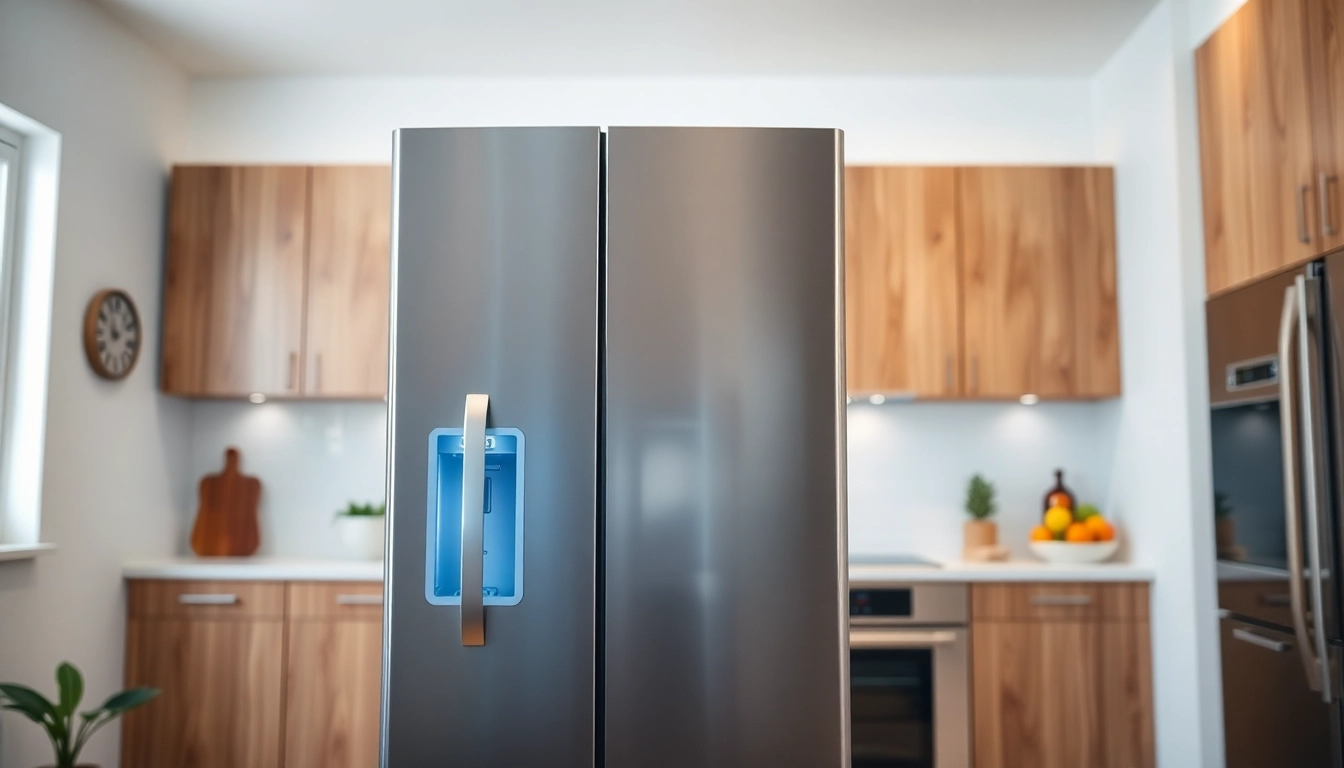
Side-by-side refrigerators are designed with two vertical compartments, one for refrigeration and the other for freezing. Their layout maximizes space, allowing for easy access to both fresh and frozen foods.
- Convenient Organization: These models often come with numerous door bins and shelves, allowing for better organization for leftover meals, condiments, and beverages.
- Filtered Water and Ice Dispensers: Many side-by-side models feature built-in water and ice dispensers, providing quick access to chilled water and ice without opening the door, which can help improve energy efficiency.
- Stylish Design: Their sleek aesthetic fits well in modern kitchens and often includes stainless steel finishes that complement various styles.
If you place high value on organization and convenience, a side-by-side refrigerator might be perfect for you.
French Door Refrigerators
French door refrigerators take the spaciousness a step further, combining the convenient access of the double-door design with a spacious freezer drawer at the bottom. This arrangement provides unparalleled access to fresh foods in the refrigerator while maximizing freezer space.
- Wide Shelves: These models often feature wider shelves, making it easier to store large items, from party platters to gallon jugs.
- Smart Technology: Many of today’s French door models come equipped with advanced technology features, such as temperature control zones and smart home integration.
- Enhanced Visibility: The door-in-door style provides additional access to frequently used items while minimizing cold air loss.
For families that prioritize ample space and innovative features, French door refrigerators are a top choice.
Essential Features to Consider
Picking the right refrigerator involves looking beyond aesthetics and understanding the essential features that contribute to performance and convenience. Here’s what you should consider before making a purchase.
Energy Efficiency Ratings
Energy efficiency is crucial for both environmental sustainability and cost-saving on energy bills. Refrigerators are rated based on their energy consumption, typically using the Energy Star certification as a benchmark.
- Energy Star Certification: Models carrying the Energy Star label meet strict efficiency guidelines set by the U.S. Environmental Protection Agency.
- Annual Energy Consumption: Look for the estimated annual energy consumption, provided on the Energy Guide label, to compare different models effectively.
- Inverter Technology: Some modern refrigerators utilize inverter technology, which adjusts compressor speed for more efficient cooling cycles, thus saving energy.
Choosing an energy-efficient refrigerator can lead to substantial savings over the appliance’s lifetime.
Storage Capacity and Organization
Storage capacity and organizational features are essential for smooth kitchen operations. Consider how much space you actually need based on your household size and lifestyle.
- Size Specifications: Refrigerators typically range from 10 to 30 cubic feet, so it’s essential to measure your kitchen space and how much food storage you require.
- Adjustable Shelves and Bins: Look for models with adjustable shelves and door bins to accommodate varying sizes of items, from tall bottles to small jars.
- Specialty Zones: Some refrigerators feature compartments designed for specific items, such as deli drawers or humidity controlled crisper drawers for fresh produce.
The better the organization and capacity, the more efficient your refrigerator will be in keeping your food fresh.
Cooling Technology Innovations
Modern advancements in cooling technologies have changed how refrigerators operate, enhancing food preservation and energy efficiency.
- Dual Cooling Systems: Refrigerators with separate cooling systems for the fridge and freezer compartments offer better humidity control, which helps reduce freezer burn.
- Smart Cooling Features: Many newer models have smart cooling features like temperature alarms, door ajar alerts, and smartphone connectivity for remote monitoring.
- Adaptive Intelligence: Some refrigerators now employ adaptive intelligence, learning your usage patterns to optimize cooling performance and energy consumption.
Staying informed about these innovations can help you choose a refrigerator that meets your needs now and in the future.
Buying Guide: What to Look For
Once you’ve considered the types and essential features of a refrigerator, it’s time to think about some vital aspects before making a purchase. This buying guide will ensure you make an informed decision that aligns with your needs and budget.
Budgeting for Your Refrigerator
Setting a budget is one of the most important steps in the refrigerator buying process. Consider the following:
- Price Ranges: Refrigerators can range from several hundred to several thousand dollars depending on type, brand, and features.
- Warranty Considerations: Investing in warranted products often means paying a little more upfront but provides peace of mind.
- Future Costs: Remember to factor in energy costs and long-term reliability when budgeting for your refrigerator.
Understanding your budget will help narrow down your options effectively.
Brand Reliability and Warranties
Different brands have varying reputations regarding reliability and performance. Researching brand reliability can save you headaches down the line.
- Consumer Reports: Consulting consumer report ratings or assured reviews can provide insight into the best-performing brands.
- Warranties: Look for refrigerators that come with reasonable manufacturer warranties, covering both parts and labor.
- Service History: Understanding a brand’s service history can indicate how well they handle repairs and customer support.
Having a trustworthy brand can make a significant difference, especially if issues arise with your appliance.
Customer Reviews and Recommendations
Reading customer reviews is invaluable for gauging the performance of a specific refrigerator model. Here’s what to keep in mind:
- Real-Life Experiences: Reviews often provide insights on everyday use, functionality, and shortcomings.
- Star Ratings: Pay attention to star ratings and notable mentions in reviews that highlight common strengths or weaknesses.
- Recommendations: Ask friends and family for personal recommendations, which can often lead to discovering hidden gems.
Customer feedback can guide you toward making a better purchasing decision.
Maintenance Tips for Longevity
Once you’ve selected and installed your new refrigerator, maintenance becomes essential for ensuring its longevity and optimal performance. Here are some essential tips.
Cleaning and Care Best Practices
Regular cleaning helps maintain hygiene, prevents odors, and ensures efficient operation. Consider the following:
- Regular Dusting: Dust the condenser coils monthly to prevent overheating and maintain efficiency.
- Spill Management: Clean spills and expired items immediately to minimize contamination and unpleasant odors.
- Interior Deep Cleaning: At least twice a year, empty the contents and perform a deep clean with warm, soapy water.
Regular care will help keep your refrigerator functioning properly and looking great.
Common Issues and Troubleshooting
Like any appliance, refrigerators can experience common problems. Understanding how to troubleshoot some of these issues can save you time and money.
- Temperature Fluctuations: If your refrigerator isn’t cooling properly, check if the thermostat settings are correct, or if airflow is obstructed.
- Noise Problems: Strange noises can be a result of improper leveling or worn parts. Ensure your refrigerator is level and listen for unusual sounds.
- Ice Build-Up: If ice is forming in the freezer, check the door seals, as improper sealing can compromise temperature control.
Being vigilant about troubleshooting can prevent minor issues from becoming major repairs.
When to Seek Professional Repair
Knowing when to call in a professional can save your appliance and your sanity. Here are signs that your refrigerator may need expert assistance:
- Unresponsive Controls: If temperature controls are unresponsive, it may indicate a deeper electrical issue requiring professional help.
- Excessive Noise: If the noise persists even after leveling and proper care, a malfunction in the compressor or motor may need addressing.
- Large Leaks: If there are significant water leaks underneath, it’s best to call a technician instead of attempting to fix it yourself.
Professional assistance ensures the longevity and effective operation of your refrigerator, especially for complex issues.
FAQs about Refrigerators
What size Refrigerator do I need for my household?
Determining the right size depends on your family size and kitchen space. Generally, a family of four may need a Refrigerator with 20-25 cubic feet of space.
How often should I clean my Refrigerator?
You should clean your Refrigerator every 3-6 months to maintain hygiene and efficiency, removing spilled food and expired items regularly.
What energy-saving tips can I use with my Refrigerator?
Keep the coils clean, avoid opening the door frequently, and ensure good air circulation around the unit to enhance energy efficiency.
How long can I expect a Refrigerator to last?
Most Refrigerators last around 10-20 years, depending on the brand, model, usage, and maintenance practices.
What is the best temperature setting for my Refrigerator?
The ideal temperature for a Refrigerator is typically between 35°F and 38°F (1.6°C – 3.3°C) for optimal freshness and food safety.