Understanding Water Lilies: A Rich History and Cultural Significance
Water lilies, with their stunning blooms and serene presence, hold a captivating place in both natural ecosystems and cultural history. These aquatic plants have adorned ponds and lakes for centuries, providing not just beauty but also essential ecological benefits. As you explore the world of Water Lilies, you'll discover their remarkable variety and the rich tapestry of their significance across different cultures.
Origins and Varieties of Water Lilies
Water lilies belong to the Nymphaeaceae family, encompassing about 60 species spread across various genera. While the most common species found in home gardens are the hardy and tropical water lilies, their origins trace back to ancient wetlands. Hardy water lilies, known for their cold-tolerance, predominantly grow in temperate regions, while tropical varieties thrive in warmer climates, displaying vibrant colors and unique leaf shapes.
Among the notable varieties are:
- Nymphaea alba (European White Water Lily)
- Nymphaea odorata (American White Water Lily)
- Nymphaea pygmaea (Dwarf Water Lily)
- Nymphaea lucasiana (Blue Water Lily)
Cultural Representations of Water Lilies Across History
Throughout history, water lilies have served as a symbol of purity and enlightenment, particularly in Asian cultures. In ancient Egypt, they were associated with the sun god Ra and featured prominently in art and religious practices. The blue lotus, or Nymphaea caerulea, was revered for its beauty and spiritual significance, famously depicted in hieroglyphics and artifacts. Similarly, in Buddhist tradition, the lotus flower symbolizes spiritual awakening and rebirth.
Impressionist artists, such as Claude Monet, immortalized water lilies in their paintings, further embedding them in the cultural consciousness. Monet's water lily pond became an iconic subject representing tranquility and the beauty of nature, inspiring countless gardeners and art lovers alike.
Environmental Benefits of Water Lilies in Ecosystems
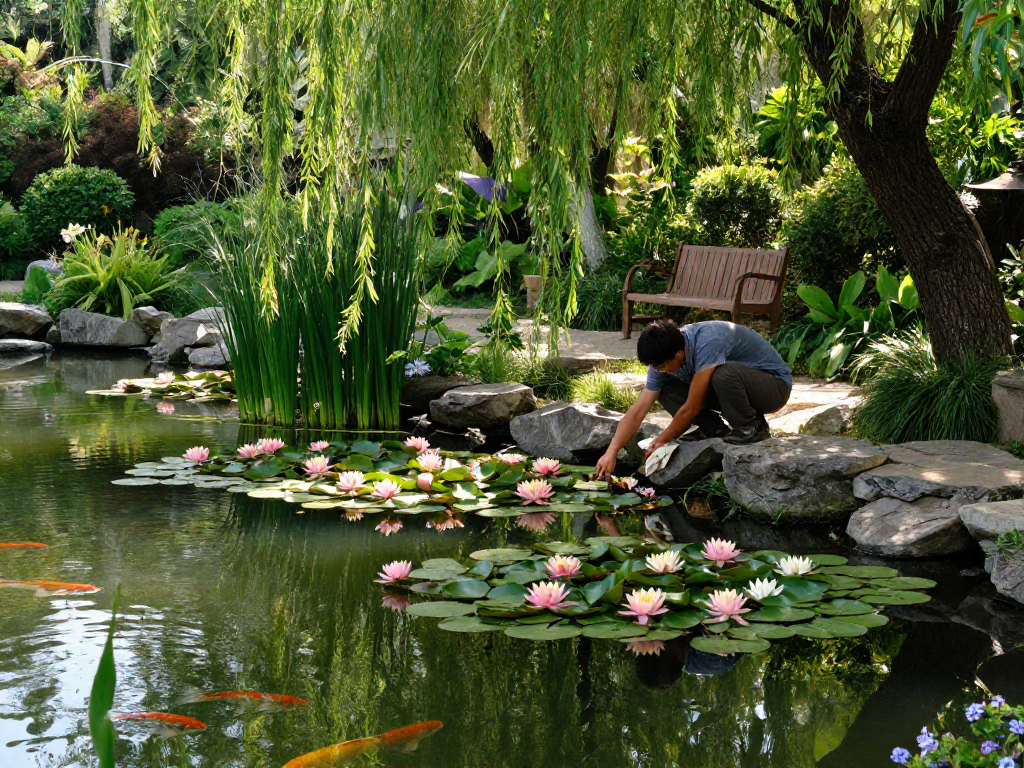
Water lilies are not merely ornamental; they play a critical role in maintaining aquatic ecosystems. Their large leaves provide shade, reducing water temperature and creating a habitat for various aquatic species. Additionally, they help to stabilize sediment and prevent erosion around pond margins. Water lilies also contribute to oxygen production and provide habitat for insects, fish, and birds.
Furthermore, by absorbing nutrients from the water, they assist in controlling algae growth, promoting a balanced water system conducive to a healthy pond environment.
Water Lilies Today: Current Trends and Innovations in Care
As we move into 2026, the cultivation and care of water lilies continue to evolve, embracing both modern technology and sustainable practices. Gardeners and pond enthusiasts are discovering innovative ways to enhance the growth and health of these exquisite plants, responding to both ecological pressures and aesthetic desires.
Modern Cultivation Techniques for Water Lilies
Advancements in horticultural practices have led to more efficient propagation techniques. Hydroponics and aquaponics are being increasingly utilized to grow water lilies in controlled environments, providing optimal conditions for growth free from many common pests. Additionally, tissue culture propagation allows for the rapid multiplication of desirable varieties, ensuring biodiversity in water lily gardening.
Innovative Solutions for Water Lily Health and Growth
Today’s gardeners benefit from a variety of innovative products designed to improve water lily health. Organic fertilizers rich in potassium and phosphorus are essential for promoting flowering, while eco-friendly pest control options are available to combat common threats without harming the ecosystem. Integrating water lilies into a pond's overall ecosystem, including suitable companion plants, enhances their health and resilience.
Water Lilies and Biodiversity: Promoting Aquatic Life
The importance of water lilies extends beyond aesthetics; they act as a cornerstone for biodiversity in ponds and lakes. By providing habitat and food sources, they support various organisms, including dragonflies, frogs, and fish. Gardeners are encouraged to plant a range of water lily species to promote a biodiverse ecosystem, which in turn increases the pond's ecological health.
Essential Practices for Growing Water Lilies in Your Pond
Successfully growing water lilies requires a blend of ideal conditions, care, and attention to detail. Understanding the specific needs of these plants can help ensure they thrive and enhance the beauty of your pond.
Choosing the Right Water Lily Varieties for Different Climates
When selecting water lilies, it's crucial to consider your local climate. Hardy varieties are suited for colder climates, while tropical water lilies flourish in warmer regions. For example, if you live in a temperate area, consider varieties such as Nymphaea 'Marliacea Chromatella,' which is known for its lovely yellow blooms.
Water Quality Management for Healthy Water Lilies
Water quality significantly impacts the health of water lilies. It is vital to maintain appropriate pH levels (between 6.0 and 7.5) and ensure adequate nutrient levels without excess, which can lead to algae blooms. Regular testing and biological filtration systems can help maintain clear and clean water essential for the growth of these aquatic plants.
Maintenance Tips: Pruning, Fertilizing, and Pest Control
Routine maintenance of water lilies involves regular pruning of dead or damaged leaves to encourage new growth. Fertilization, preferably with slow-release organic options, helps boost blooming potential. Pests such as aphids and beetles can be managed using integrated pest management (IPM) strategies, including introducing beneficial insects and using environmentally friendly insecticidal soaps when necessary.
Challenges in Water Lily Cultivation: Overcoming Obstacles
While water lilies are relatively easy to maintain, certain challenges may arise that require intervention and knowledge to resolve effectively.
Common Pests and Diseases Affecting Water Lilies
Water lilies can be susceptible to various pests and diseases, including root rot, leaf spot, and aphids. Regular monitoring is essential to catch problems early. Ensuring good aeration and avoiding overcrowding can help prevent disease outbreaks.
Climate Change Impact on Water Lily Growth
As climate change continues to affect global weather patterns, the favorable growing conditions for water lilies may also shift. Increased temperatures can lead to altered blooming periods and the introduction of invasive species that compete for resources. Gardeners should stay informed and adapt their practices to ensure the health of their ponds.
Mitigating Pollution Effects on Water Lilies
Pollution, particularly from agricultural runoff and urban development, poses a significant threat to water lily habitats. Implementing sustainable practices such as buffer zones can help reduce chemical runoff into ponds. Additionally, using natural filtration systems and incorporating native plant species can help strengthen the resilience of these ecosystems against pollution.
The Future of Water Lilies: Predictions and Trends for 2026
Looking ahead, the cultivation of water lilies is set to embrace technological advancements and sustainable practices that enhance their growth and environmental contributions.
Technological Advancements in Aquatic Gardening
Innovative technologies such as automated monitoring systems for water quality and smart irrigation solutions are becoming more accessible. These advancements can greatly enhance the health and productivity of water lilies, making pond management easier and more efficient.
Sustainable Practices for Future Conservation of Water Lilies
As awareness of environmental issues grows, sustainable gardening practices are becoming increasingly important. Using organic fertilizers, practicing crop rotation, and supporting local biodiversity will play critical roles in conserving water lily populations and their habitats.
Forecasting Changes in Popular Water Lily Species and Cultivation Techniques
As preferences shift towards eco-friendly gardening, expect to see a rise in demand for native water lily species. These varieties not only thrive in local conditions but also support local wildlife, promoting a healthier pond ecosystem. Cultivation techniques will likely become more focused on natural methods that prioritize ecological balance.
How Can I Enhance My Pond with Water Lilies?
To enhance your pond, consider incorporating a mix of hardy and tropical water lilies. Creating varying depths in your pond can provide ideal conditions for different species, thus promoting diversity and ecological health.
What Are the Best Water Lilies for Beginners?
For those new to aquatic gardening, choosing hardy varieties such as Nymphaea 'Pink Sensation' or Nymphaea 'Aurora' is recommended. These are resilient and relatively easy to care for, making them ideal for novice pond owners.
How Do I Maintain Water Quality for My Water Lilies?
Maintaining water quality involves regular testing for pH, clarity, and nutrient levels, along with ensuring proper filtration and regular water changes to keep the environment healthy for your water lilies.
What Common Problems Do Water Lilies Face?
Common problems include nutrient imbalances, pests, and diseases. Vigilance and regular maintenance can mitigate these issues and keep your water lilies flourishing.
Why Are Water Lilies Important for Ecosystems?
Water lilies are vital in ecosystems as they provide habitat, stabilize sediments, and help in the oxygenation of water bodies. By supporting biodiversity, they contribute to the overall health and sustainability of aquatic environments.