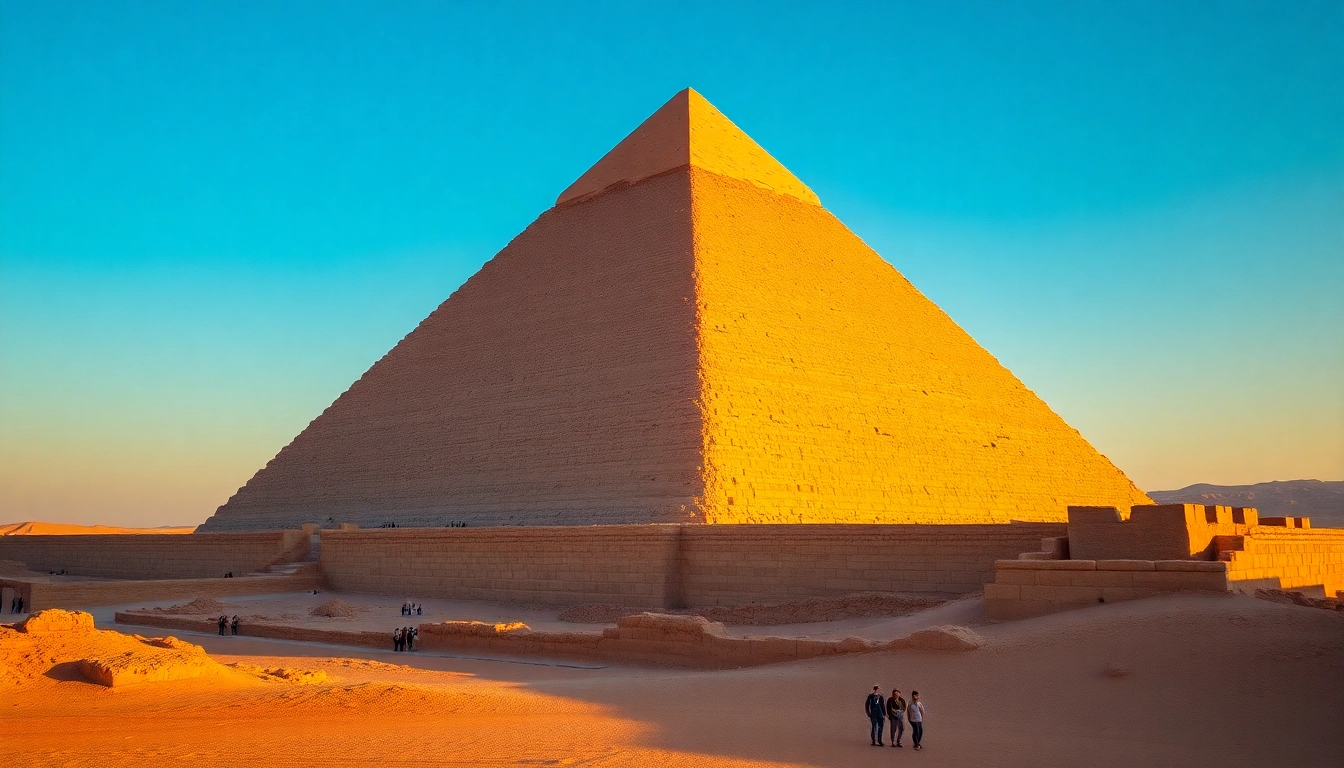
Understanding the History of Pyramids
The history of pyramids is a fascinating journey through time, showcasing human ingenuity and the quest for understanding life after death. The piraminds we know today primarily stem from ancient Egypt, where they served as monumental tombs for pharaohs and high-ranking officials. Not only are they architectural wonders, but they also symbolize the complexities of ancient Egyptian society, culture, and beliefs.
Historical Significance of Pyramids
Pyramids represented an essential aspect of ancient Egyptian civilization, primarily during the Old and Middle Kingdoms. They were constructed as part of elaborate burial practices that honored the deceased and ensured their safe passage into the afterlife. This spiritual journey was integral to Egyptian belief systems, and the pyramids acted as a bridge between the earthly realm and the divine.
The most famous pyramids, the Pyramids of Giza, serve as a testament to the architectural mastery of their time. These monumental structures were built not just for their grandeur but as manifestations of power and a means of guaranteeing immortality. The alignment of each pyramid with celestial bodies further exemplifies their significance beyond mere tombs, indicating a deep understanding of astronomy and its importance in governance and spirituality.
Evolution of Pyramid Architecture
The architecture of pyramids evolved markedly over the centuries. Early pyramids, such as the Step Pyramid of Djoser at Saqqara, began as simple mastabas and gradually transformed into the iconic pyramidal form we associate with ancient Egypt. The subsequent design innovations led to the smooth-sided pyramids of the Fourth Dynasty, which reached their zenith with the construction of the Great Pyramid of Khufu.
This evolutionary journey reflects a gradual mastery of engineering techniques and aesthetics. The transition from step pyramids to true pyramids not only marked advancements in construction but also indicated shifting cultural and religious values, as the Egyptians began to focus more on the afterlife's symbolic representation.
Key Materials Used in Pyramids
The construction of pyramids required massive amounts of material and labor. Limestone was the primary material, prized for its workability and durability. The outer casing stones, often made of highly polished Tura limestone, were laid to reflect sunlight, making the pyramids sparkle against the desert sky. Granite, quarried from Aswan, was also prominently used in inner chambers due to its strength and resistance to weathering.
Other materials, such as clay and mortar, were utilized to bind stones together. Additionally, vast numbers of tools—like chisels and sledges—accompanied these materials, showing the ingenuity of the workers in manipulating heavy stones into precise placements.
The Construction Techniques of the Pyramids
Manual Labor vs. Tools and Technology
The construction of the pyramids is often romanticized in popular culture, leading to misconceptions about the role of labor in their creation. While manual labor was indeed crucial, advanced construction techniques were employed to facilitate the movement and arrangement of stones. Recent archaeological discoveries have shown that ramps were instrumental in transporting heavy blocks to their intended heights.
The use of levers, sleds lubricated with water, and organizational methodologies to coordinate large workforces exemplified early technological prowess. Workers were not merely slaves; many were skilled laborers who took pride in their contributions, as they were involved in constructing monuments to their gods and leaders.
The Role of Workers in Pyramid Construction
The workforce behind the pyramids consisted of a mix of skilled laborers, craftsmen, and seasonal workers who were diverted from farming during adverse climatic conditions. Evidence suggests that these laborers worked in shifts and received provisions like food and shelter during construction. Craftsmen, who were trained in specialized skills, played a crucial role in sourcing and shaping the materials required for construction.
Social dynamics within the workforce were complex, reinforcing community bonds and shared beliefs in the divine purpose of their labor. The pyramids, as collective efforts, inspired unity among workers, who viewed their contributions as integral to their civilization's legacy.
Common Myths about Pyramid Building
The narrative surrounding the construction of pyramids is rife with myths, such as the belief that they were built solely by slave labor. In truth, archaeological evidence highlights a workforce that consisted of skilled free laborers who were likely motivated by religious devotion and the promise of social rewards.
Another myth suggests that the pyramids were constructed rapidly. However, the construction process spanned decades and required meticulous planning and a deep understanding of engineering principles, far beyond what many might assume of ancient civilizations.
The Cultural Importance of Pyramids
Pyramids in Ancient Egyptian Beliefs
Pyramids were central to ancient Egyptian beliefs, which revolved around the afterlife and the concept of immortality. They were constructed as elaborate tombs where pharaohs could rest in peace, equipped with all necessary provisions for their journey in the afterlife. These structures were also seen as symbols of rebirth, connecting the pharaoh with the sun god Ra and the cyclical nature of life.
The design and alignment of pyramids often correlated with religious significance, with many built to face cardinal points or other celestial bodies, demonstrating the Egyptians' comprehensive understanding of their cosmos and its relation to their deities.
Rituals Associated with the Pyramids
The construction and eventual entombment inside the pyramid were wrapped in solemn rituals. Sacred practices were conducted to ensure the deceased would transition smoothly to the afterlife. The “Opening of the Mouth” ceremony, among others, was crucial in reviving and enabling the late king to partake in the afterlife.
Moreover, the pyramids served as sites for religious activities and commemorative rites, connecting the living with the dead and fostering a sense of continuity and reverence within Egyptian society.
Pyramids as Symbols of Power and Eternity
Pyramids are enduring symbols of the pharaoh's power and ambition, embodying the authority they held over their land and people. The sheer size and complexity of the pyramids conveyed not just royal stature but also the technological mastery of the Egyptians, reinforcing their civilization's place in history.
Moreover, these structures symbolize the ancient Egyptians' belief in eternal life. The pyramids' pointed shape is thought to represent rays of sunlight, facilitating the pharaoh’s ascent to the heavens after death, aligning them with their gods and showcasing their ultimate aspirations for eternal existence.
Scientific Discoveries Related to Pyramids
Archaeological Finds within Pyramids
The exploration of pyramids has yielded numerous archaeological discoveries, enhancing our understanding of ancient Egyptian culture. Artifacts such as furniture, jewelry, and food were found within these tombs, providing insight into the life and beliefs of the elite.
In recent times, significant discoveries have unearthed hidden chambers and passages, adding layers to the narrative of pyramid construction and usage. Such finds not only reveal the architectural techniques employed but also highlight the rich rituals that governed the lives of the ancient Egyptians.
Advances in Pyramid Research Technologies
The advent of modern technologies has revolutionized our understanding of pyramids. Non-invasive techniques like ground-penetrating radar have enabled archaeologists to map hidden features without disturbing the ancient structures. Thermal imaging and 3D modeling have further facilitated the analysis of historical sites, ensuring their preservation while revealing new insights into pyramid construction and purpose.
These advancements are helping to unravel mysteries that have long intrigued researchers, providing a clearer picture of how these grand monuments were conceived and built.
Notable Discoveries that Changed Perceptions
Recent findings within the pyramid complexes have significantly altered perceptions of ancient Egyptian society. For instance, the discovery of previously unknown burial sites suggests that many more individuals were likely involved in pyramid construction than previously thought.
Additionally, the evolving understanding of communal labor and organization challenges conventional narratives about the ancient Egyptian workforce, illustrating a more complex society capable of collaborative efforts that engineered such monumental constructions.
Modern Perspectives on Pyramids
Conservation Efforts for Pyramids Today
As global tourism increases, so does the urgency for conservation efforts surrounding the pyramids. Many pyramids face challenges such as erosion, pollution, and structural integrity concerns. Organizations dedicated to preserving these sites focus on sustainable tourism practices, ensuring that they remain intact for future generations.
Efforts include monitoring environmental impacts, restoring materials, and implementing protective measures to guard against the continual wear upon these ancient structures.
Pyramids as Tourist Attractions
Pyramids attract millions of tourists annually, serving as gateways for many to explore ancient Egyptian civilization. Their iconic status has spurred economic growth for local communities, significantly benefiting the national economy.
However, the influx of visitors necessitates careful management to protect the integrity of these sites while promoting educational initiatives that enhance public understanding of their cultural, historical, and architectural significance.
Contemporary Art Inspired by Pyramids
The allure of pyramids extends into contemporary art, influencing modern artists who draw inspiration from their shapes and the narratives they embody. Exhibitions featuring pyramid motifs can be found worldwide, showcasing the enduring impact of these ancient structures on today’s creative landscape.
As artists reinterpret traditional themes, the pyramid remains a powerful symbol resonating through various forms of expression, including sculpture, painting, and multimedia installations.
Frequently Asked Questions
What are the pyramids of Giza?
The pyramids of Giza are ancient tombs built for Pharaohs during the Old Kingdom of Ancient Egypt, symbolizing their divine status.
How were the pyramids built?
The construction of pyramids involved skilled laborers, precise stone cutting, and advanced techniques, though many details remain a mystery.
What is the significance of the pyramids?
The pyramids served as monumental tombs for Pharaohs, reflecting their power and beliefs in the afterlife, and showcasing architectural advancements.
Are there other pyramids besides those in Giza?
Yes, there are numerous other pyramids in Egypt, including the step pyramids at Saqqara and the Nubian pyramids located further south.
Why do people visit the pyramids today?
The pyramids attract millions of tourists annually due to their historical significance, architectural marvels, and cultural importance.