Introduction to Wildfire Events
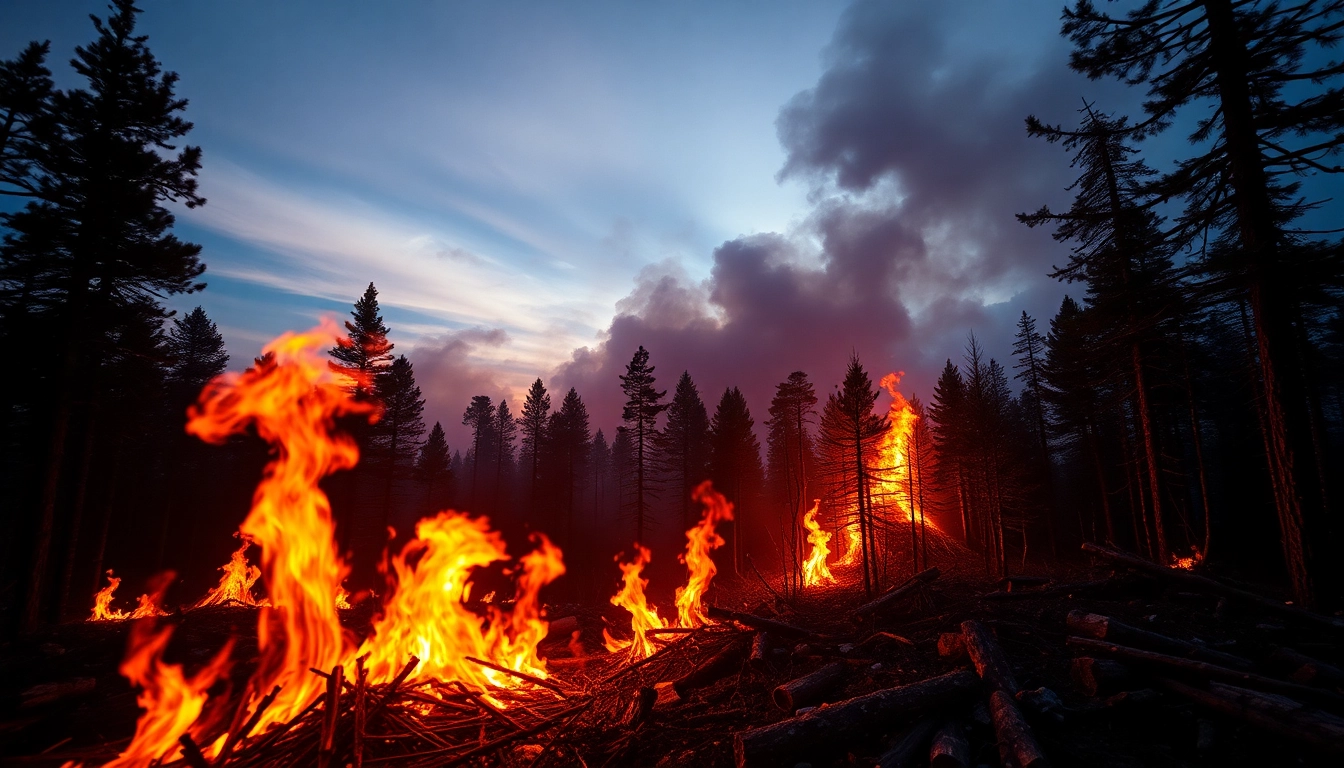
Wildfire events are uncontrolled fires that spread rapidly through forests, grasslands, and other natural landscapes, causing significant ecological and environmental impacts. Understanding wildfire events is crucial for both forest health and human safety. As we delve into this topic, we will explore the definitions, natural influences, and human impacts surrounding these pivotal ecological occurrences. Each of these facets plays a crucial role in how we comprehend and manage Wildfire events.
Defining Wildfire Events
A wildfire is defined as an uncontrolled fire that occurs in grasslands, forests, or wildland areas. These events can vary substantially in size, intensity, and duration, often ignited by natural phenomena such as lightning or human activities such as campfires and discarded cigarettes. Recent studies classify wildfires into several categories based on their behavior and suppression difficulty. Understanding these definitions helps elucidate the diverse nature of wildfires and the challenges they pose.
The Role of Nature in Wildfire Events
Nature plays a central role in the occurrence of wildfire events. Among natural occurrences, lightning strikes are a prominent ignition source, particularly in areas with dry conditions and abundant vegetation. Additionally, ecosystems have developed over millennia to depend on periodic wildfires for health and regeneration. For instance, frequent low-intensity fires can clear out underbrush and promote the growth of fire-adapted species, ensuring ecological balance. However, climate change is altering weather patterns, leading to drier conditions that can exacerbate the frequency and intensity of wildfires.
Human Impact on Wildfire Events
Human activities significantly contribute to wildfire events, whether directly through negligence or indirectly by exacerbating environmental conditions conducive to fires. Urban development in wildland areas increases ignition sources, including unattended campfires, discarded cigarette butts, and even arson. Furthermore, practices such as land clearing and poor forestry management lead to an accumulation of fuel in the form of dry vegetation, which can ignite and spread fires more rapidly.
Causes of Wildfire Events
Natural Causes of Wildfire Events
Natural causes of wildfires primarily include lightning strikes and volcanic eruptions. Lightning is one of the most common ignition sources, responsible for a substantial percentage of wildfires in the United States. Additionally, extreme weather events—droughts, high winds, and prolonged heat waves—create ideal conditions for fires to ignite and spread. Understanding these natural triggers allows the development of predictive models for wildfire forecasting.
Human-Induced Wildfires
Human-induced wildfires are primarily caused by activities such as campfires left unattended, fireworks, discarded cigarettes, and intentional arson. Research has shown that a significant portion of wildfires worldwide are linked to human activities. This highlights the urgent need for public education and stricter regulations concerning fire safety, particularly in fire-prone regions.
Environmental Factors Influencing Wildfire Events
Several environmental factors significantly influence the occurrence and severity of wildfire events. Conditions such as drought, heavy vegetation, and seasonal wind patterns create an ideal scenario for wildfires. Moreover, climate change is leading to prolonged dry spells and increased temperatures, making landscapes more vulnerable to fires. Policy adaptations and proactive interventions are essential to mitigate these risks and protect vulnerable ecosystems.
Effects of Wildfire Events on Ecosystems
Short-term Effects of Wildfire Events
In the short term, wildfire events cause immediate destruction of flora and fauna, leading to habitat loss for various species. The intensity of the fire can also cause soil erosion and degradation, affecting ecosystem stability. Smoke and airborne particulates can contribute to air quality issues in surrounding communities, demonstrating the wider health impacts associated with wildfires.
Long-term Ecological Impact
The long-term impacts of wildfires can be complex and varied. While some ecosystems recover and thrive post-fire, others may struggle or face prolonged degradation. Soil quality can diminish due to nutrient loss, while invasive species may take root in the absence of native flora. However, certain species are adapted to survive wildfires and benefit from the regenerative processes that follow, showcasing nature's resilience.
Economic and Social Consequences of Wildfire Events
Wildfire events have profound economic and social implications. The costs associated with firefighting efforts, evacuations, and property damage can soar into the millions. Moreover, communities affected by wildfires often face displacement, loss of livelihood, and long-term rehabilitation challenges. Understanding these consequences is vital for effective disaster planning and community resilience initiatives.
Preventing Wildfire Events
Strategies for Reducing Wildfire Events
Various strategies can be employed to reduce wildfire occurrences and their severity. Public education programs are critical for raising awareness about fire safety and prevention. Additionally, controlled burns and the establishment of firebreaks are effective methods for managing vegetation and limiting the spread of uncontrolled fires. These proactive measures significantly reduce the likelihood of a wildfire becoming catastrophic.
The Importance of Forestry Management
Proper forestry management is essential in preventing wildfire events. It involves routine thinning of dense tree stands, controlled burns to manage fuel loads, and monitoring of forest health. Implementing sustainable land management practices can not only help in mitigating wildfires but also boost biodiversity and overall forest resilience.
Community Preparedness for Wildfire Events
Community preparedness is vital in reducing the risks associated with wildfires. This can include creating defensible spaces around properties, promoting community firefighting teams, and developing evacuation plans. Engaging local communities through awareness campaigns and response training fosters resilience against potential wildfire threats.
Future Trends in Wildfire Events
Climate Change and Wildfire Events
Climate change is expected to intensify the conditions that lead to wildfire events. Rising temperatures and altered precipitation patterns are creating landscapes more susceptible to ignition and prolonged fires. The integration of climate science into fire management strategies is crucial for anticipating future wildfire risks and adapting accordingly.
Technological Innovations in Fire Management
Advancements in technology offer promising avenues for improving wildfire management. Innovations such as satellite monitoring and AI-driven predictive models can enhance early detection and response efforts. Drones, too, are being employed for real-time surveillance and mapping of active fire areas, providing critical information for firefighting teams.
Global Perspectives on Wildfire Events
Wildfires pose a global challenge, and different regions face unique circumstances. Understanding how various countries respond to wildfire events can provide valuable insights for others. Collaborative international approaches and shared resources can enhance overall wildfire management strategies, ultimately safeguarding ecosystems and communities worldwide.
Frequently Asked Questions about Wildfire Events
What is the most famous wildfire in history?
The Peshtigo Fire, which occurred in Wisconsin, remains the deadliest wildfire in recorded history, claiming over a thousand lives.
What is a wildfire event?
A wildfire event refers to any uncontrolled fire occurring on undeveloped land, often requiring fire suppression efforts from various agencies.
How can communities prepare for potential wildfires?
Communities can prepare by establishing evacuation plans, creating defensible spaces around homes, and fostering community awareness regarding fire safety.
What role does climate change play in wildfires?
Climate change leads to higher temperatures and drier conditions, increasing the frequency and intensity of wildfire events across the globe.
Are there natural benefits to wildfires?
Yes, wildfires can promote forest health by clearing out dead vegetation and encouraging the growth of certain fire-adapted species in affected areas.