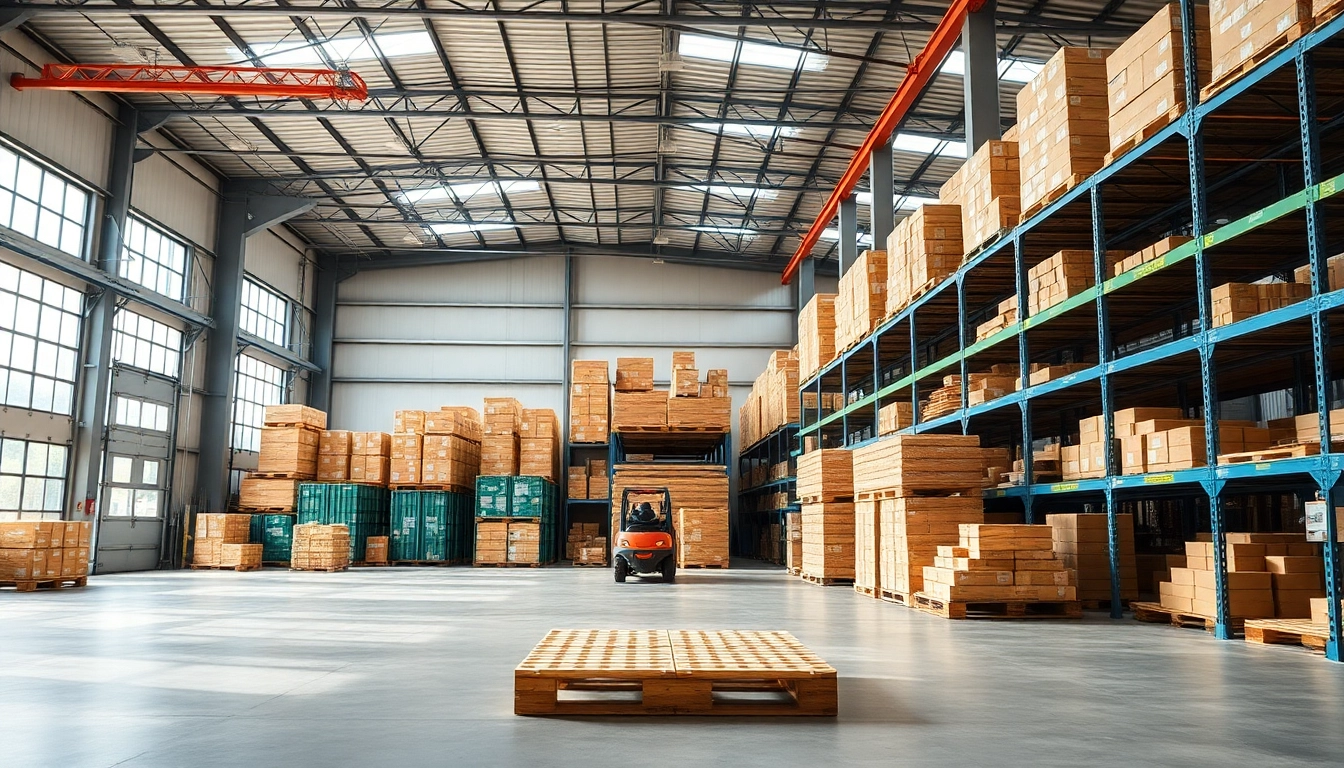
The Essentials of Warehousing
In an increasingly interconnected world, the role of warehousing has become essential for businesses striving to maintain efficiency and competitiveness. Warehousing encompasses a variety of processes, from the storage of goods to their distribution, acting as a vital link in the supply chain. Understanding the fundamentals of warehousing can greatly enhance operational efficacy and positively impact customer satisfaction. In this comprehensive guide, we will delve into what warehousing is, its key functions, types of solutions available, benefits, challenges, best practices, and future trends in the industry.
What is Warehousing?
Warehousing refers to the process of storing goods for future sale or distribution. It is a crucial segment of the supply chain, enabling organizations to manage inventory levels, reduce transportation costs, and enhance the overall efficiency of delivering products to customers. Warehouses serve various purposes including the storage of raw materials, work in progress, and finished goods. Understanding the operational facets of warehousing is important not only for logistical management but also for supporting customer service initiatives.
Key Functions of Warehousing
The primary functions of warehousing can be broadly classified into several key areas:
- Storage: At its core, warehousing is about the safe and secure storage of goods. This includes both raw materials required for production and finished products awaiting distribution.
- Inventory Management: Efficient warehousing involves precise control of stock levels, which aids businesses in maintaining optimal inventory without overstocking or stockouts.
- Order Fulfillment: Warehouses play a pivotal role in picking, packing, and fulfilling orders, ensuring customers receive their products in a timely manner.
- Distribution: The warehousing process integrates with logistics to facilitate the distribution of goods to different channels, ensuring that products reach their intended destinations efficiently.
Types of Warehousing Solutions
Understanding the different types of warehousing solutions available is essential for businesses to choose the right approach for their unique needs:
- Public Warehousing: Public warehouses are owned by third-party companies and offer storage on a rental basis, ideal for businesses that require flexible storage solutions without long-term commitments.
- Private Warehousing: Private warehouses are facilities owned by a company to store its products, providing complete control over the storage environment, but requiring a more significant capital investment.
- Distribution Centers: These facilities are specifically designed to maximize the efficient movement of goods, often featuring advanced technology to streamline processes.
- Climate-Controlled Warehousing: Some products require specific temperature and humidity conditions; climate-controlled warehouses ensure that such products are stored optimally.
Benefits of Effective Warehousing
A well-optimized warehousing strategy provides numerous benefits to organizations, which can significantly impact profitability and customer satisfaction:
Cost Efficiency and Savings
One of the primary advantages of effective warehousing is cost savings. By implementing efficient storage solutions and inventory management practices, businesses can reduce storage costs and minimize waste. Proper warehousing allows companies to benefit from economies of scale, leading to lower per-unit costs and improved cash flow.
Improved Inventory Management
Warehousing enhances inventory visibility and control. Managing stock levels accurately ensures businesses can maintain the right amount of inventory, reducing the risk of overstocking or stock shortages. Advanced inventory management systems integrated into warehousing operations can provide real-time data and analytics, enabling informed decision-making.
Enhancing Customer Satisfaction
Customer satisfaction is paramount in today’s market, and efficient warehousing significantly contributes to this goal. Fast and reliable order fulfillment, coupled with accurate inventory information, leads to timely deliveries that meet or exceed customer expectations. Moreover, a well-organized warehousing operation allows businesses to respond promptly to changes in customer demand.
Challenges in Warehousing Operations
While warehousing is beneficial, it is not without its challenges. Addressing these hurdles is crucial for businesses aiming to optimize their warehousing strategies:
Common Operational Issues
Operational inefficiencies can arise from several factors including poor layout design, lack of staff training, and inadequate inventory control systems. These issues may lead to delays in order fulfillment, increased handling costs, and inaccuracies in stock management. Identifying and rectifying these areas requires a comprehensive approach to assess potential points of failure.
Technological Adaptations
The rapid advancement of technology necessitates that warehousing operations continuously adapt to new tools and systems. Implementing automated solutions, such as robotics and inventory management software, can enhance productivity but may involve significant upfront investment and training. Organizations must weigh the long-term benefits against the initial costs.
Workforce Training and Development
As warehousing evolves, fostering a skilled workforce becomes crucial. Training programs focusing on the latest warehousing technologies and operational practices can enhance workforce efficiency, reducing turnover costs associated with hiring and training new staff. Companies must invest in their employees to cultivate the skills necessary for a modern warehousing environment.
Best Practices for Modern Warehousing
To navigate the complexities of warehousing operations successfully, organizations should consider implementing the following best practices:
Utilizing Technology in Warehousing
Modern warehousing demands the adoption of technology for optimal efficiency. Warehouse Management Systems (WMS), automated picking systems, and real-time tracking tools can streamline operations. These technologies enable businesses to manage inventory better, track shipments, and minimize human error.
Implementing Lean Principles
Integrating lean principles into warehousing processes can significantly enhance efficiency. This strategy focuses on eliminating waste and optimizing resources, leading to improved productivity and reduced costs. Techniques such as just-in-time inventory can help manage stock levels while minimizing excess inventory.
Creating an Efficient Layout
The physical layout of a warehouse profoundly impacts operational efficiency. An organized layout minimizes travel time for workers and maximizes space utilization. Utilizing techniques like cross-docking and zoning can enhance workflows and lead to faster processing times.
Future Trends in the Warehousing Industry
The warehousing industry is continuously evolving, influenced by technological advancements and changing market dynamics. Staying abreast of these trends can give organizations a competitive edge:
Automation and Robotics
As technology progresses, the automation of warehousing operations is increasingly becoming standard. Robotics can assist in various tasks such as picking, packing, and transporting goods, leading to greater efficiency and reduced labor costs. Organizations adopting these technologies are poised to offer faster and more reliable service.
Sustainability in Warehousing
With growing environmental concerns, sustainability is becoming a focal point for warehousing. Incorporating energy-efficient practices, sustainable materials, and waste reduction strategies can not only lower operational costs but also align with consumer preferences for eco-friendly practices.
Data-Driven Decision Making
Data analytics is revolutionizing warehousing operations. By leveraging big data, businesses can gain insights into inventory trends, customer preferences, and operational efficiency. This data-driven approach enables companies to make informed decisions that drive performance improvements and enhance customer satisfaction.