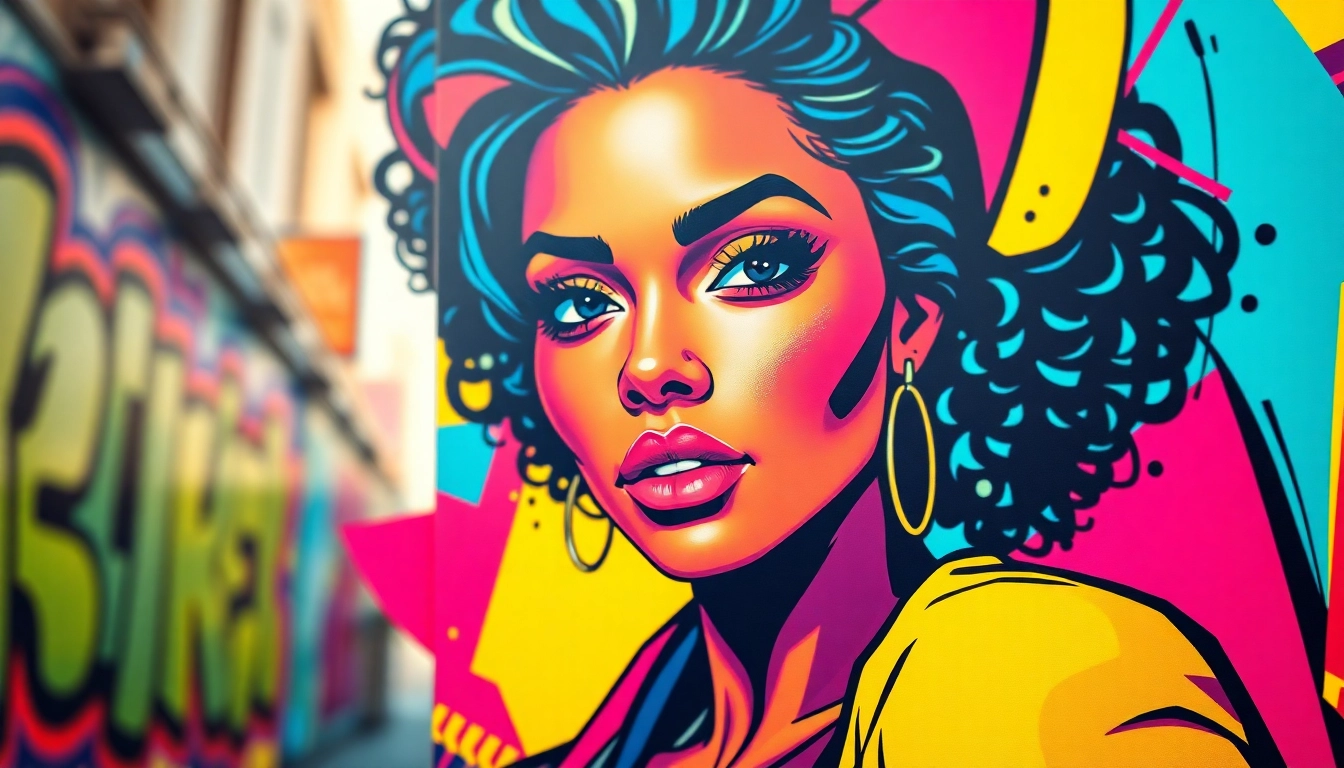
Understanding Pop Art Canvas
Definition and Historical Context
Pop Art, a cultural movement that emerged in the mid-1950s in Britain and later gained tremendous popularity in the United States, is characterized by its embrace of popular culture. Influenced by advertisements, comic strips, and mundane cultural objects, pop art challenged traditional notions of fine art by blurring the lines between high and low culture. The medium of pop art canvas serves as a compelling medium for artists to convey their messages. It highlights the everyday aesthetic as a legitimate subject for art, reflecting society's fascination with consumerism and mass media.
The roots of pop art can be traced back as far as the 1920s, but it truly blossomed in the 1960s with notable artists like Andy Warhol, Roy Lichtenstein, and Claes Oldenburg leading the charge. Warhol's iconic Campbell's Soup Cans and Lichtenstein's comic book-inspired works created a visual language that resonated with broad audiences, making art more accessible. This rebellion against the elitism of the art world was not just a movement; it became a significant cultural shift that redefined how art interacts with society.
Key Characteristics of Pop Art
Pop Art is distinguished by its characteristic use of bright colors, bold lines, and imagery borrowed from advertising, celebrity culture, and comic strips. One prominent feature of pop art canvas is its incorporation of commercial techniques and materials, making artworks feel like a snapshot of contemporary culture. Unlike traditional art that often conveys deep emotional or philosophical messages, pop art utilizes humor, irony, and an unapologetic celebration of consumer culture.
Moreover, pop art often employs repetition, a technique evident in Warhol's silkscreens. This reflects the repetitive nature of mass production and consumer goods. Additionally, juxtaposition is a vital component; combining disparate images creates a dialogue that scrutinizes societal norms and consumption patterns. Overall, these characteristics make pop art both visually appealing and thought-provoking, a combination that continues to attract audiences today.
Influence on Modern Art
The impact of pop art on modern art cannot be overstated. It has laid the groundwork for many contemporary artistic movements, such as Neo-Pop and Street Art. The essence of pop art—engaging with mass culture and democratizing art—has influenced countless artists and styles. For example, contemporary artists like Takashi Murakami and Jeff Koons have taken the essence of pop art and expanded it into new realms, exploring themes of consumerism, celebrity, and identity.
Additionally, pop art has shifted how galleries and institutions approach art displays, often integrating multimedia installations that echo the mixed-media principles of pop art. This evolution demonstrates how art continues to change and respond to its cultural context, making the pop art canvas a vital part of both historical and contemporary art paradigms. Through its innovative techniques and cultural critiques, pop art lays the foundation for future explorations in the art world.
Types of Pop Art Canvas Styles
Classic vs. Modern Interpretations
When it comes to pop art canvas, the distinction between classic and modern interpretations is a significant one. Classic pop art works often reference the commercial and cultural zeitgeist of the 1960s. Artists such as Warhol and Lichtenstein focused on recurring imagery associated with fame, consumer goods, and popular culture. These works celebrated the vibrancy of the commercial world while critiquing its superficiality.
In contrast, modern interpretations of pop art canvas take a more eclectic approach. Today's artists may blend traditional pop art techniques with contemporary themes such as technology and social issues. This further evolution allows artists to comment on our current reality, expanding the boundaries of what pop art can encompass. For instance, the use of digital tools to create canvas art has gained traction; artists can now manipulate images with software before transferring them onto canvas, creating layers of complexity that weren’t possible in traditional mediums.
Bold Colors and Graphic Elements
One cannot discuss pop art canvas without mentioning bold colors and graphic elements. The vivid palettes typical in pop art are an essential draw, attracting viewers even from afar. Bright reds, yellows, and blues are frequently employed to create eye-catching works that demand attention. The colors speak to the frenetic energy of modern life and underscore the intensity of consumer culture.
Graphic elements are also essential, where artists often utilize clean lines and an illustrative style that mimics commercial art. For instance, the incorporation of halftone dots—a technique borrowed from printmaking—allows for playful interpretations of imagery that echo the look of printed comics or advertisements. This combination of graphic design with fine art techniques makes pop art canvas a versatile medium that plays well across different contexts and aesthetics.
Merging Techniques: Digital and Traditional
The artistry in pop art canvas has evolved due to the merging of digital and traditional techniques. Artists now often start with digital designs that include various layers, textures, and colors, and then translate these designs onto canvas. This is not merely about reinterpreting older methods but expanding artistic capabilities.
For example, advanced digital tools allow artists to experiment with color palettes and textures instantly, providing them with the flexibility to explore complex patterns. After achieving a digital composition that resonates, many artists print their designs onto high-quality canvas, maintaining the vibrancy and detail of their work. This fusion of new and traditional techniques leads to a dynamic art form that encapsulates both nostalgia and modernity.
Selecting the Right Pop Art Canvas for Your Space
Matching Art with Interior Decor
Choosing the right pop art canvas can significantly enhance the aesthetics of your space. It’s essential to consider the color scheme, style, and overall vibe of the area where the artwork will be displayed. For contemporary spaces that embrace minimalism, bold pop art prints can provide a striking contrast. Bright colors and iconic imagery can add life to neutral palettes, making the artwork a focal point of the room.
Conversely, for spaces designed with vintage or retro themes, classic pop art can integrate seamlessly. The artwork can reflect the time period you wish to evoke and should resonate with the furniture and décor already present. Understanding your space's style will guide your selection process and ensure harmony within your interior design.
Choosing Size and Placement
The size of the pop art canvas is another crucial consideration. Larger pieces can create a dramatic effect and serve as the focal point of a room, often best placed above furniture or in prominent wall spaces. Smaller canvases, on the other hand, can be used artfully in clusters or as part of a gallery wall to spark interest without overwhelming the space.
When deciding placement, consider the viewer's line of sight. Artwork should ideally be hung at eye level to encourage interaction. Additionally, the context of the space matters; consider how the artwork interacts with architectural features, existing furniture, and lighting to enhance its impact.
Understanding Your Audience's Preferences
Art not only complements a space but also reflects the tastes and preferences of its occupants. Understanding the demographic you want to reach—whether it's family members, guests, or clientele—plays a vital role in the selection of pop art canvas. For instance, vibrant and humorous pieces may appeal to a young audience, while more subdued, contemplative works might resonate with an older demographic.
In setting up a space for business, like cafes or offices, consider incorporating local artists’ work or pieces that echo the business's ethos, which can foster a sense of community and connection among visitors. The art you choose should align with the mood you wish to evoke in your audience—be it lively, relaxed, or inspiring.
Where to Buy Quality Pop Art Canvas
Online vs. Offline Art Stores
The purchasing landscape for art has evolved significantly, offering both online and offline avenues for acquiring pop art canvas. Offline art stores provide the opportunity to see the artwork up close, allowing buyers to assess the quality, texture, and colors in person. However, they may have limited selections, depending on their inventory.
Online platforms offer a broader range of styles and prices and the convenience of purchasing from home. Reputable online galleries frequently curate collections of both new and established artists, giving buyers access to unique works without geographical constraints. When shopping online, it is vital to review seller ratings and return policies to ensure a satisfactory purchasing experience.
Evaluating Quality and Authenticity
When purchasing pop art canvas, it's essential to evaluate quality and authenticity. Look for prints made with high-quality canvases and archival inks that will withstand the test of time. Authentic artworks often come with certificates from the artist or the gallery emphasizing their originality.
Checking for texture, weight, and the overall craft of the artwork can help determine its quality. Additionally, researching the artist’s background and previous works can provide insight into the piece's value. Investing in art is not just about aesthetics; it’s about securing authenticity and longevity in your collection.
Support Local Artists and Independent Creators
Buying from local artists and independent creators not only ensures quality but also fosters a sense of community. Supporting local artists provides them with the opportunity to thrive while enriching the local art scene. By purchasing pop art canvas directly from creators, buyers often have the chance to connect with the artist, gaining insight into their inspirations and techniques, which adds value to the art.
Additionally, local galleries often host exhibitions that showcase emerging talent, offering unique pieces that are often customizable to fit the buyer’s preferences. This direct support of local talent contributes to the preservation and innovation of art within the community.
Styling Tips for Displaying Pop Art Canvas
Creating an Engaging Gallery Wall
A gallery wall is an excellent way to display multiple works in a cohesive manner, and it can particularly enhance spaces with pop art canvas. When creating a gallery wall, consider a unifying theme, color palette, or style that ties the different pieces together while showcasing the vibrancy of pop art.
Start by selecting a central piece, commonly the largest artwork, and build around it with smaller pieces. Use varying frames and orientations—some vertical, some horizontal—to add interest. Don't hesitate to mix styles as long as they resonate with the overall intended vibe. Aligning the artwork in a grid or salon-style can create a dynamic display that captivates the viewer.
Lighting Techniques to Enhance Artwork
The right lighting can elevate a pop art canvas significantly, enhancing its visual appeal. Natural light is excellent during the day, but for evening displays, consider adjustable track lighting or wall sconces that can highlight specific pieces. Accent lighting not only brings attention to the artwork but also creates ambiance within the space.
When selecting lighting, be mindful of glare; avoid direct light that can wash out colors. A dimmable system allows for flexibility depending on the time of day and the effect you wish to achieve. Properly lit artwork invites viewers to stop and engage, enhancing their overall experience in the space.
Seasonal Rotations and Artwork Themes
Engaging with pop art canvas through seasonal rotations can be a refreshing way to keep your décor exciting. Changing out artwork with the seasons not only keeps the environment dynamic but also allows for thematic displays that reflect current events, holidays, or trends. For example, vibrant and bright pieces might suit the summer season, while darker tones could be perfect for winter.
This approach fosters a sense of continuity and renewal, enabling viewers to appreciate different artworks over time. Curating themes—whether color-based, emotion-focused, or tied to specific cultural narratives—can guide your selections and create a narrative thread in the display of your pop art.