Understanding California Smog Check Requirements
Overview of the California Smog Check Program
The California Smog Check Program is a vital part of the state's efforts to combat air pollution and protect public health. Established to ensure that vehicles meet specific emissions standards, the program helps to reduce the harmful impact of vehicle emissions on the environment. Under this program, most motor vehicles in California must undergo a smog check every two years or prior to their sale. The process is designed to identify vehicles that exceed allowable emission limits and ensure that they don’t contribute excessively to air pollution.
The program primarily focuses on the inspection of a vehicle’s exhaust system and various components that control emissions. The California Smog Check program plays a critical role in maintaining air quality in the state, especially in urban areas where smog levels can reach hazardous thresholds.
Who Needs a California Smog Check?
Various groups of vehicle owners are required to participate in the smog check program. Most vehicles manufactured after 1975, as well as hybrid vehicles, are subject to regular inspections. However, exemptions apply to specific vehicles, such as electric cars, motorcycles, and certain diesel vehicles. Furthermore, classic cars that are at least 1975 models may also be eligible for exemption from the smog check requirement, provided they pass a special inspection process.
The need for a smog check arises when registering a vehicle or transferring ownership. For residents of California, it’s crucial to stay informed about regulations and requirements pertinent to their specific vehicle type, as failing to comply can lead to penalties or registration issues.
Frequency and Types of Smog Checks
In California, vehicles typically undergo a smog check every two years. However, there are specific circumstances that could require more frequent inspections, such as when a vehicle is registered in a smog check required area or if emissions-related repairs have been made. The types of smog checks performed can vary based on the vehicle’s age, make, model, and fuel type. Generally, there are two main types of smog checks:
- Visual Inspection: This checks for the presence and functioning of the emission control systems.
- Emissions Test: This measures the actual emissions produced by the vehicle while it is running.
Additionally, some vehicles may require a more thorough inspection if they are found to have exceeded the standard emissions limits during the initial test.
The Smog Check Process Explained
Step-by-Step Guide to a California Smog Check
Getting a California Smog Check involves a series of steps, ensuring both vehicle compliance and environmental protection. Here is a detailed guide:
- Choose a Licensed Smog Check Station: Only licensed facilities can perform smog checks. You can find a station by searching online or checking your local directory.
- Drive to the Station: It is essential to drive your vehicle for at least 20 minutes before the inspection to ensure the engine is at normal operating temperature.
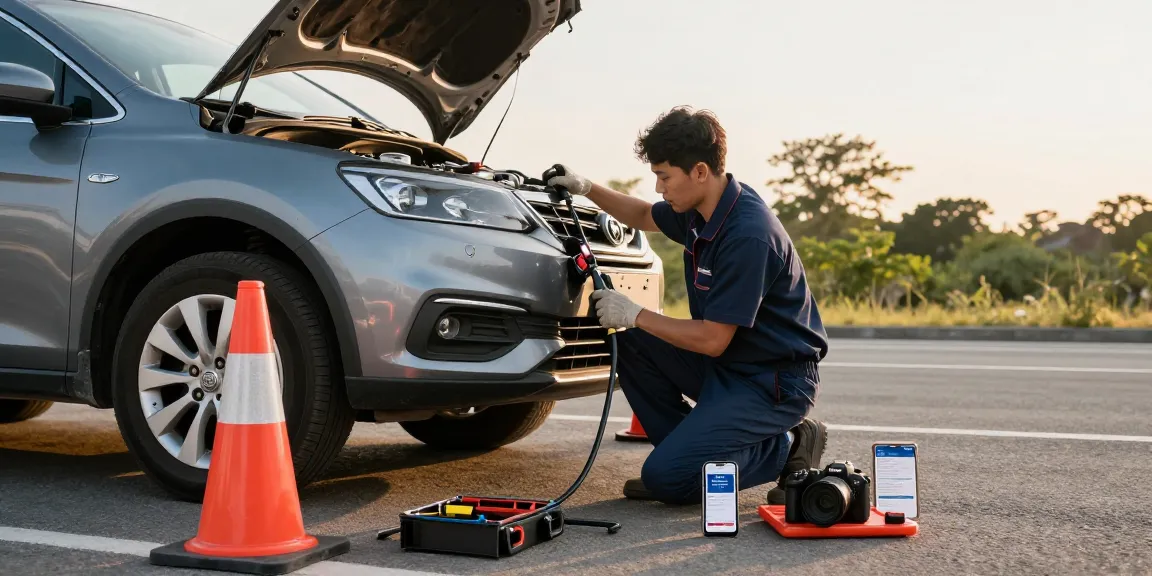
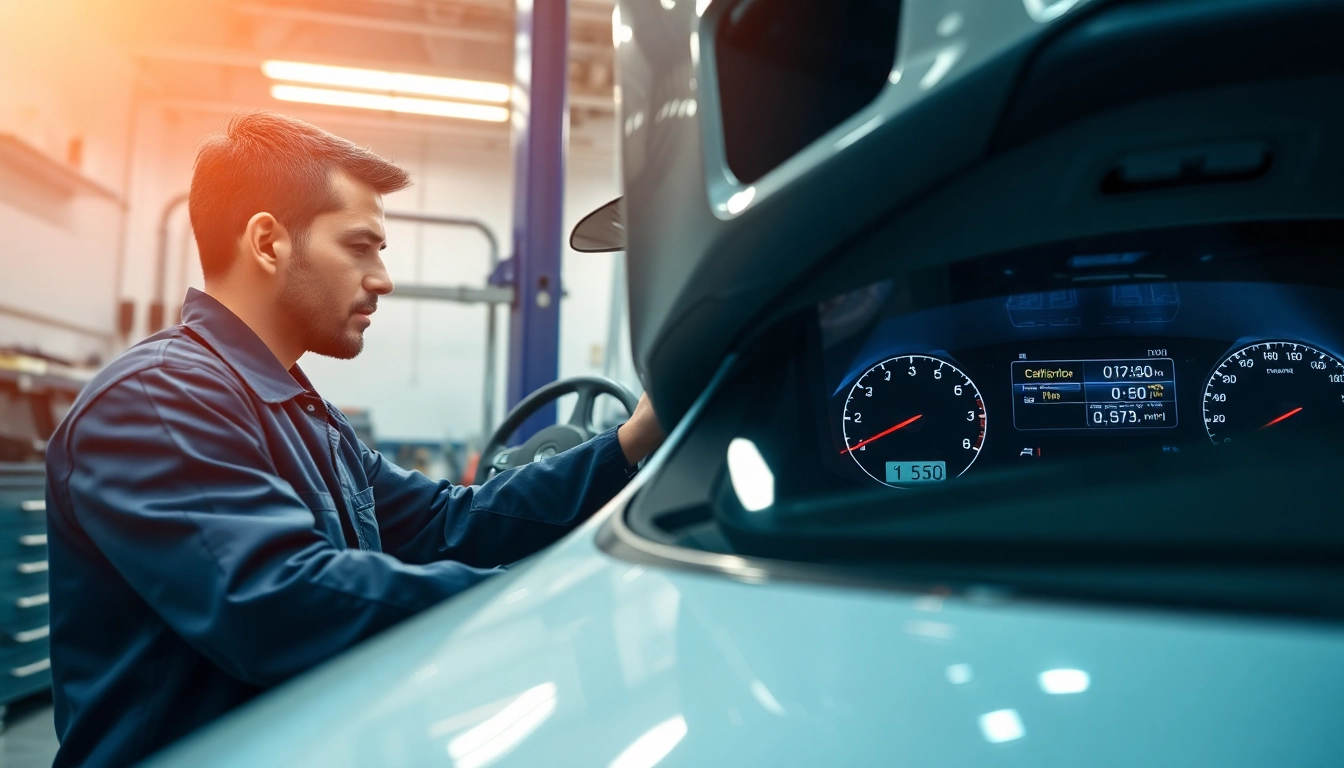
- Emission and Visual Inspection: The technician will conduct a visual inspection followed by an emissions test to determine if your vehicle meets California standards.
- Receive Results: If your vehicle passes, you will receive a certificate which you must present for registration. If it fails, the station will inform you of necessary repairs.
- Complete Necessary Repairs: If repairs are recommended, address them as soon as possible to achieve compliance.
- Retest (if necessary): Bring your vehicle back for a retest after repairs.
Common Measurements Taken During a Smog Check
During the smog check, several critical measurements are taken to evaluate a vehicle’s emissions. These typically include:
- Opacity Test: Measures the visibility of smoke emitted from the exhaust.
- Hydrocarbon Emissions: Checks for unburned fuel in the exhaust.
- Carbon Monoxide Levels: Measures harmful gases produced during combustion.
- Nitrogen Oxides: Assesses pollutants contributing to smog formation.
Understanding these measurements helps vehicle owners appreciate the importance of maintaining their vehicle’s emissions systems to reduce environmental impact.
Tips for Preparing Your Vehicle for a Smog Check
Preparation is essential for ensuring a successful smog check. Here are some valuable tips:
- Regular Maintenance: Keep up with routine vehicle maintenance. Change the oil, replace air filters, and ensure the engine runs smoothly.
- Check Engine Light: If your check engine light is illuminated, have the issue addressed before your smog check.
- Tire Pressure: Properly inflated tires can enhance fuel efficiency and reduce emissions, contributing positively to smog check results.
- Use Quality Fuel: Fill up with high-quality fuel to help prevent problems with emissions systems.
- Reset the ECU: If your vehicle has had repairs, consider resetting the Engine Control Unit (ECU) to ensure it runs at optimal levels during the test.
Potential Issues Identified During a Smog Check
Common Failures and What They Mean
Failing a smog check can be stressful; however, understanding common failures can help alleviate concerns. The following are typical reasons vehicles fail:
- Check Engine Light On: Often indicates an underlying problem such as a faulty sensor or damaged emissions component.
- Excessive Emissions: Specifically, if emissions exceed established limits for hydrocarbons, carbon monoxide, or nitrogen oxides.
- Faulty Catalytic Converter: A malfunctioning catalytic converter can significantly impact emissions, leading to a failed test.
- Vacuum Leaks: Leaks in the vacuum system can create discrepancies in fuel ratios, causing elevated emissions.
How to Address Emission Test Failures
If your vehicle fails the emissions test, consider taking the following steps:
- Diagnose the Problem: Utilize a diagnostic tool or consult a professional technician to identify specific failure issues.
- Address Repairs Promptly: Fix problems as quickly as possible, including replacing faulty parts or repairing leaks.
- Retest: After repairs, schedule a retest to ensure your vehicle complies with California emissions standards.
Preventive Maintenance for Future Smog Checks
Engaging in preventive maintenance can help avoid emission failures in the future. Here are several actionable strategies:
- Regular Tune-Ups: Schedule regular tune-ups to keep your engine running smoothly, which can positively affect your emissions.
- Inspect Exhaust Systems: Routine checks can identify issues such as rust or holes which could lead to failures.
- Replace Necessary Components: Timely replacement of parts such as oxygen sensors and catalytic converters will help keep emissions in check.
- Monitor Driving Habits: Encourage efficient driving habits that can minimize wear on the engine and emissions systems.
The Importance of Regular Smog Checks
Environmental Impact of Smog Check Compliance
Regular compliance with the California Smog Check program plays a significant role in reducing air pollution levels statewide. Vehicles emit a substantial amount of pollutants, and ensuring that they remain within legal limits results in healthier air quality. This means reduced rates of respiratory diseases, fewer hospitalizations related to pollution, and overall better public health outcomes.
Moreover, engaging in emission compliance helps support state and national goals for climate change mitigation, contributing to a more sustainable future.
Benefits of Keeping Your Vehicle Emission Compliant
A vehicle that passes the smog check provides numerous benefits:
- Legal Compliance: Keeping your vehicle emission-compliant avoids potential fines and registration issues.
- Enhanced Vehicle Performance: Properly functioning emissions systems contribute to better overall vehicle performance and fuel efficiency.
- Increased Resale Value: Vehicles that consistently pass smog checks are more valuable on the resale market.
- Environmental Responsibility: Contributing to cleaner air demonstrates a commitment to environmental responsibility and sustainability.
Legal Implications of Not Getting a Smog Check
Failing to comply with California's smog check requirements carries significant legal implications. Vehicle owners who neglect inspections can face hefty fines and penalties, including inability to register their vehicle. Persistent failure to comply can escalate risks, leading to further legal actions and complications regarding ownership. It's paramount for vehicle owners to recognize the importance of staying up-to-date with their smog checks to avoid these potential issues.
Resources and Assistance for California Smog Check
Where to Find Smog Check Locations
Finding an authorized smog check station is relatively simple. You can visit the California Department of Consumer Affairs' website or local directories to locate certified smog check facilities in your area. The listings generally provide contact information and operating hours for convenience. Additionally, many online platforms allow you to search for nearby smog check stations based on your zip code.
Financial Assistance Programs for Smog Repairs
In recognition of the potential financial burden smog repairs can impose, California offers several assistance programs to aid vehicle owners. Programs such as the Bureau of Automotive Repair's Consumer Assistance Program provide financial assistance for qualifying repairs based on income and vehicle conditions. It's advisable to check eligibility criteria and apply timely to leverage such resources effectively.
FAQs About California Smog Check
To further assist vehicle owners, here's a list of frequently asked questions about the California Smog Check:
- How long does a smog check take? Typically, a smog check can take about 20 to 30 minutes, depending on the facility and vehicle condition.
- What should I bring to my smog check appointment? Bring your vehicle registration and any previous smog check records.
- Can I get a smog check at any time? Yes, you can schedule a smog check at any licensed station, but ensure you’re doing it within the required timeframe.
- What if my vehicle fails the smog check? If it fails, you'll receive a report detailing the required repairs. Address those issues before returning for a retest.
Understanding the smog check process, maintaining your vehicle, and complying with California regulations help uphold air quality standards and ensure public health safety. Investing the time to stay informed not only protects the environment but also plays a critical role in responsible vehicle ownership. Help your vehicle remain compliant with these guidelines and ensure a cleaner, healthier atmosphere for all.