
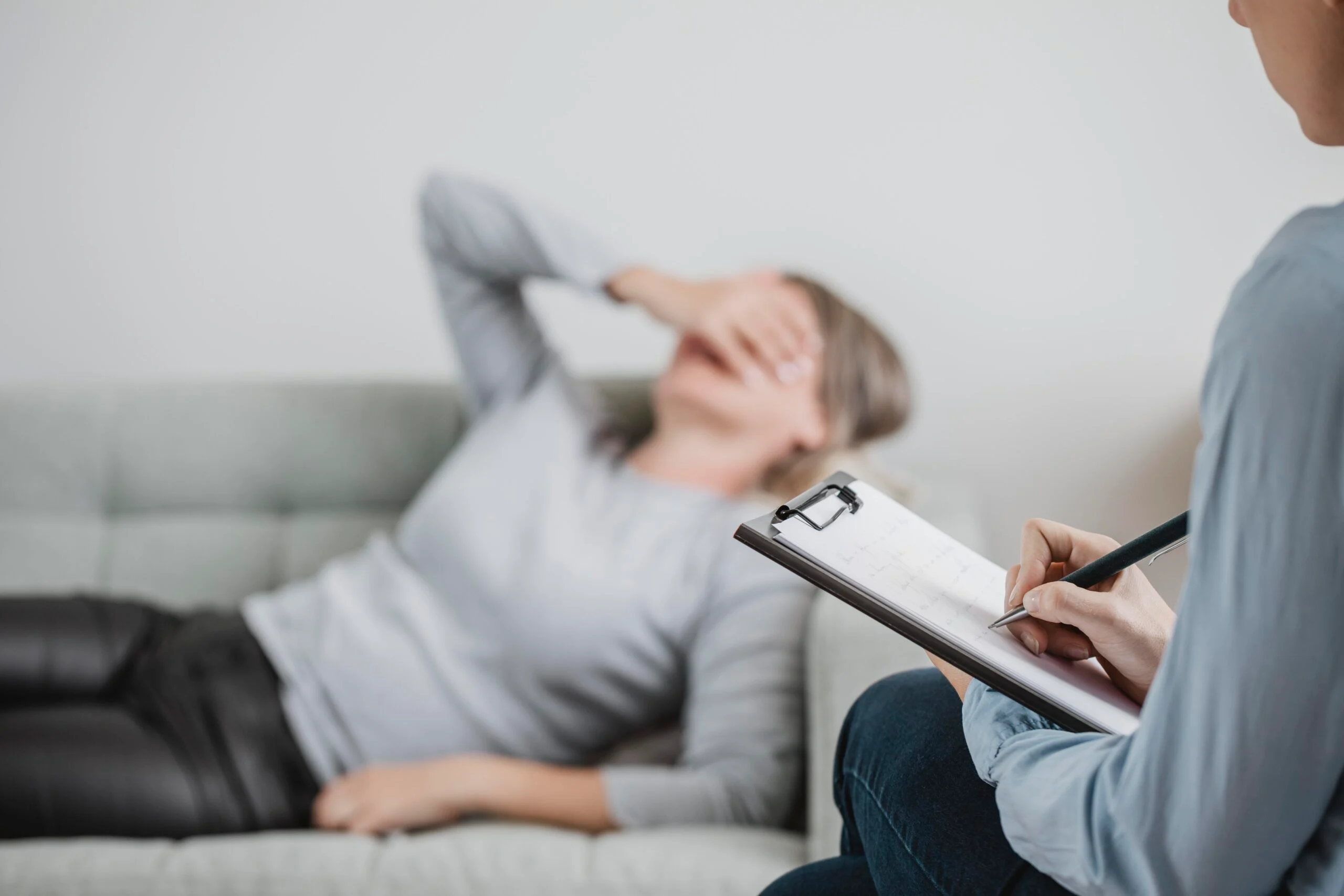
Understanding the Importance of Stress and Anxiety Relief
Living in a fast-paced world often exposes individuals to situations that can trigger Stress and anxiety. These responses are natural but, if persistent, can affect emotional stability, decision-making, and overall health. Learning effective relief strategies is essential for maintaining balance, improving productivity, and fostering emotional wellbeing in daily life.
Daily Practices to Reduce Stress and Anxiety
Mindfulness and Meditation
Mindfulness and meditation are highly effective tools for managing stress and anxiety. By focusing on the present moment, individuals can reduce overthinking and mental clutter. Techniques such as guided meditation, deep breathing, and body scans help calm the mind and improve emotional regulation. Even a few minutes of daily practice can have a profound impact over time.
Physical Activity
Regular exercise is a proven method to alleviate stress and anxiety. Engaging in aerobic activities such as walking, jogging, or swimming releases endorphins, which elevate mood and promote relaxation. Yoga and stretching exercises are particularly beneficial as they combine physical movement with mindful breathing, reducing tension in both body and mind.
Structured Daily Routines
Maintaining a consistent daily routine helps minimize uncertainty and creates a sense of control. Allocating time for work, relaxation, social interaction, and hobbies ensures balance. Structured routines reduce the likelihood of feeling overwhelmed and provide a framework for coping with daily stressors.
Healthy Sleep Habits
Adequate and restorative sleep is crucial for managing stress and anxiety. Establishing a regular sleep schedule, avoiding caffeine late in the day, and creating a relaxing bedtime environment help improve sleep quality. Good sleep supports emotional resilience and enhances cognitive function.
Balanced Nutrition
Nutrition plays a vital role in emotional health. Consuming a diet rich in whole foods, lean proteins, fruits, vegetables, and healthy fats supports brain function and stabilizes mood. Avoiding excessive sugar, processed foods, and stimulants like caffeine and energy drinks can prevent spikes in stress and anxiety levels.
Coping Techniques for Immediate Relief
Deep Breathing Exercises
Deep breathing activates the body’s relaxation response, lowering heart rate and reducing tension. Techniques such as diaphragmatic breathing or the 4-7-8 method can be practiced anywhere and provide instant relief during stressful situations.
Progressive Muscle Relaxation
Progressive muscle relaxation involves tensing and then relaxing different muscle groups to release physical tension. This technique increases body awareness and helps individuals notice when stress and anxiety are manifesting physically, allowing for timely intervention.
Visualization and Guided Imagery
Visualization exercises help create mental calm by imagining peaceful and safe environments. Guided imagery can transport the mind to relaxing scenarios, reducing anxiety and promoting mental clarity during stressful moments.
Journaling and Cognitive Techniques
Writing down thoughts and feelings helps externalize stress, making it easier to process emotions. Cognitive techniques, such as reframing negative thoughts and focusing on problem-solving rather than worry, reduce the intensity of stress and anxiety over time.
Building Long-Term Resilience
Developing Emotional Awareness
Understanding personal emotional triggers is essential for managing stress and anxiety. Reflecting on situations that cause tension helps individuals anticipate reactions and implement coping strategies proactively.
Strengthening Social Connections
Social support is a critical buffer against stress. Engaging with friends, family, or support groups provides validation, encouragement, and practical advice. Meaningful relationships promote a sense of belonging, which reduces anxiety and improves overall wellbeing.
Practicing Self-Compassion
Treating oneself with kindness during stressful periods reduces emotional strain. Acknowledging achievements, accepting limitations, and avoiding harsh self-criticism fosters resilience and encourages healthier responses to stress and anxiety.
Limiting Exposure to Stress Triggers
Identifying and minimizing exposure to unnecessary stressors helps maintain daily balance. This may include reducing consumption of distressing news, setting boundaries at work, or limiting time spent in toxic social environments.
Engaging in Enjoyable Activities
Leisure activities and hobbies are essential for emotional balance. Reading, painting, gardening, or listening to music provides mental breaks, encourages relaxation, and supports long-term stress and anxiety relief.
Seeking Professional Support
When everyday strategies are insufficient, professional support can be invaluable. Mental health professionals, including therapists and counselors, provide tailored interventions. Evidence-based approaches, such as cognitive-behavioral therapy (CBT) and mindfulness-based stress reduction (MBSR), effectively reduce stress and anxiety symptoms and enhance coping skills.
Conclusion
Incorporating stress and anxiety relief strategies into daily life is essential for emotional stability and overall wellbeing. Mindfulness, physical activity, structured routines, healthy sleep, and balanced nutrition form the foundation of everyday balance. Coping techniques such as deep breathing, progressive muscle relaxation, visualization, journaling, and social support provide immediate relief when challenges arise. Long-term resilience is strengthened through emotional awareness, self-compassion, reducing exposure to triggers, and engaging in enjoyable activities. By consistently applying these strategies, individuals can achieve a calmer, more balanced approach to life, reducing the impact of stress and anxiety on daily functioning. Our homepage is packed with the latest tools and information—don’t miss it.
FAQs
What are the most effective daily practices for reducing stress and anxiety?
Daily practices such as mindfulness meditation, regular exercise, structured routines, healthy sleep habits, and balanced nutrition are highly effective for managing stress and anxiety. Consistency in these practices enhances emotional stability and promotes long-term wellbeing.
How can deep breathing help with stress and anxiety relief?
Deep breathing activates the body’s relaxation response, reducing heart rate, calming the nervous system, and alleviating physical tension. Techniques like diaphragmatic breathing or the 4-7-8 method provide immediate relief in stressful situations.
When should I seek professional help for stress and anxiety?
Professional help is recommended if stress and anxiety persist despite using self-care strategies, interfere with daily life, or cause significant emotional or physical distress. Therapists can offer evidence-based approaches such as CBT and MBSR tailored to individual needs.