
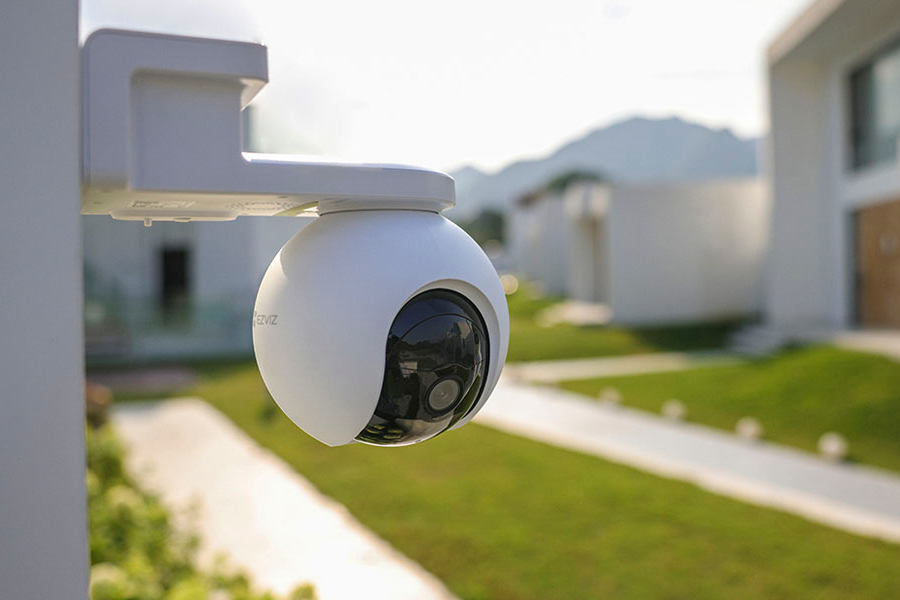
Smart homes are no longer a futuristic concept; they are a part of daily life for millions of homeowners. As technology advances, integrating Security Systems into your smart home setup has become essential. From protecting valuables to ensuring family safety, modern security systems offer convenience, efficiency, and peace of mind. This guide will help smart home owners understand the types, features, and benefits of security-systems, so you can make informed decisions.
Understanding Security Systems for Smart Homes
What Are Security Systems?
Security systems are technologies designed to monitor, detect, and prevent unauthorized access to your home. They include devices like cameras, alarms, motion detectors, and smart locks. These systems are often connected through a central hub or mobile app, enabling homeowners to monitor their property remotely.
How Smart Home Security Systems Differ
Unlike traditional setups, smart home security-systems integrate with other home automation tools. For example, your smart thermostat, lighting, and door locks can work together with your security system. If a motion sensor detects unusual activity, your system can trigger lights, alert your smartphone, or even notify emergency services automatically.
Key Components of Modern Security Systems
Cameras and Video Surveillance
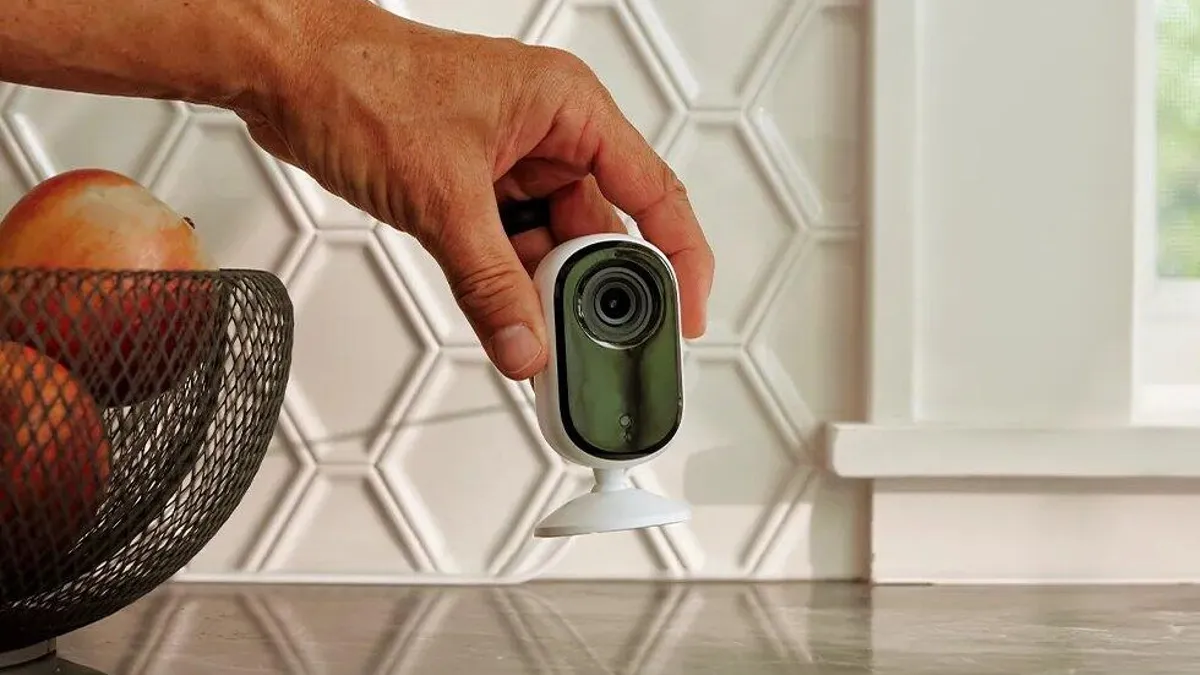
Video surveillance is a core element of most security-systems. Modern smart cameras offer features like:
- High-definition video recording
- Night vision for low-light monitoring
- Two-way audio for real-time communication
- Cloud storage for secure access to footage
For instance, a family in Texas installed a smart camera system that alerts them immediately if someone approaches their front door. They can view the live feed on their phones and even speak to the visitor remotely.
Alarms and Sensors
Alarms and sensors detect unauthorized activity and alert homeowners or authorities. Common types include:
- Motion sensors that detect movement inside or outside the home
- Door and window sensors that trigger alarms if opened unexpectedly
- Glass break sensors that identify the sound of breaking glass
These components are often integrated with smartphone apps, allowing real-time alerts and notifications, enhancing security even when you’re away.
Smart Locks and Access Control
Smart locks are a game-changer for home security. They allow homeowners to:
- Lock or unlock doors remotely
- Grant temporary access to guests or service personnel
- Track entry logs for all users
For example, a busy professional can provide a one-time digital key to a cleaning service without needing to be home, all while keeping the house secure.
Choosing the Right Security Systems for Your Home
Assessing Your Home’s Needs
Before purchasing security systems, consider your home layout, family size, and lifestyle. Larger homes may require multiple cameras and sensors, while smaller apartments might only need a simple monitoring system. Evaluate your security priorities, such as protection against burglary, fire, or environmental hazards.
Wired vs. Wireless Systems
Security-systems come in wired and wireless options. Wired systems are generally more reliable but require professional installation and can be challenging to upgrade. Wireless systems offer flexibility, easier installation, and seamless integration with smart home devices, making them ideal for most smart homeowners.
Professional Monitoring vs. Self-Monitoring
Some homeowners prefer professionally monitored security-systems, where a central monitoring service responds to alerts. Others choose self-monitoring, relying on smartphone notifications. Consider your availability and comfort level with responding to emergencies when deciding which approach suits your home.
Integrating Security Systems with Smart Home Devices
Smart Hubs and Automation
A smart hub allows all security-systems devices to communicate with one another. For example, if your motion sensor detects movement at night, your smart lights can turn on automatically, and your camera starts recording. Automation enhances both security and convenience, creating a responsive and intelligent home environment.
Mobile Apps and Remote Access
Most modern security-systems include mobile apps, giving you remote access and control. You can:
- View live video feeds
- Arm or disarm your system
- Receive instant alerts
A homeowner in New York used a mobile app to check on their pets and verify a package delivery, all while traveling abroad, showing the practical benefits of connected security-systems.
Voice Assistants Integration
Integrating your security systems with voice assistants like Amazon Alexa or Google Assistant adds another layer of convenience. You can check the status of your doors, arm your system, or control cameras using voice commands, making home security intuitive and accessible.
Maintaining and Upgrading Your Security Systems
Regular Maintenance
Like any technology, security systems require regular maintenance. Ensure that:
- Cameras and sensors are clean and unobstructed
- Firmware and software are updated
- Batteries in wireless devices are replaced as needed
Routine checks prevent system failures and keep your home protected.
Upgrading for Future Needs
Smart home technology evolves rapidly. Choosing security-systems that can be upgraded ensures long-term reliability. Look for modular systems that allow adding new cameras, sensors, or smart devices without replacing the entire system.
Conclusion
Investing in security systems for your smart home is more than a precaution—it is a commitment to safety, convenience, and peace of mind. By understanding the components, evaluating your home’s needs, and integrating systems with smart devices, you can create a comprehensive security network that protects your home and family. Whether you opt for cameras, alarms, smart locks, or a combination, a well-chosen security system ensures that your smart home remains secure and responsive to potential threats. Navigate easily through our content by starting from the main page.
FAQs
What types of security systems are best for smart homes?
For smart homes, wireless security systems with camera surveillance, motion sensors, smart locks, and app integration are generally the most effective. These systems offer flexibility, remote control, and easy expansion.
Can I install security systems myself?
Yes, many modern security-systems are DIY-friendly, especially wireless options. However, complex setups or professional monitoring may require expert installation for optimal performance.
How do security systems protect against both burglars and emergencies?
Modern security systems detect unauthorized entry through sensors, monitor environmental hazards like fire or carbon monoxide, and can alert emergency services, providing comprehensive protection for your home and family.