
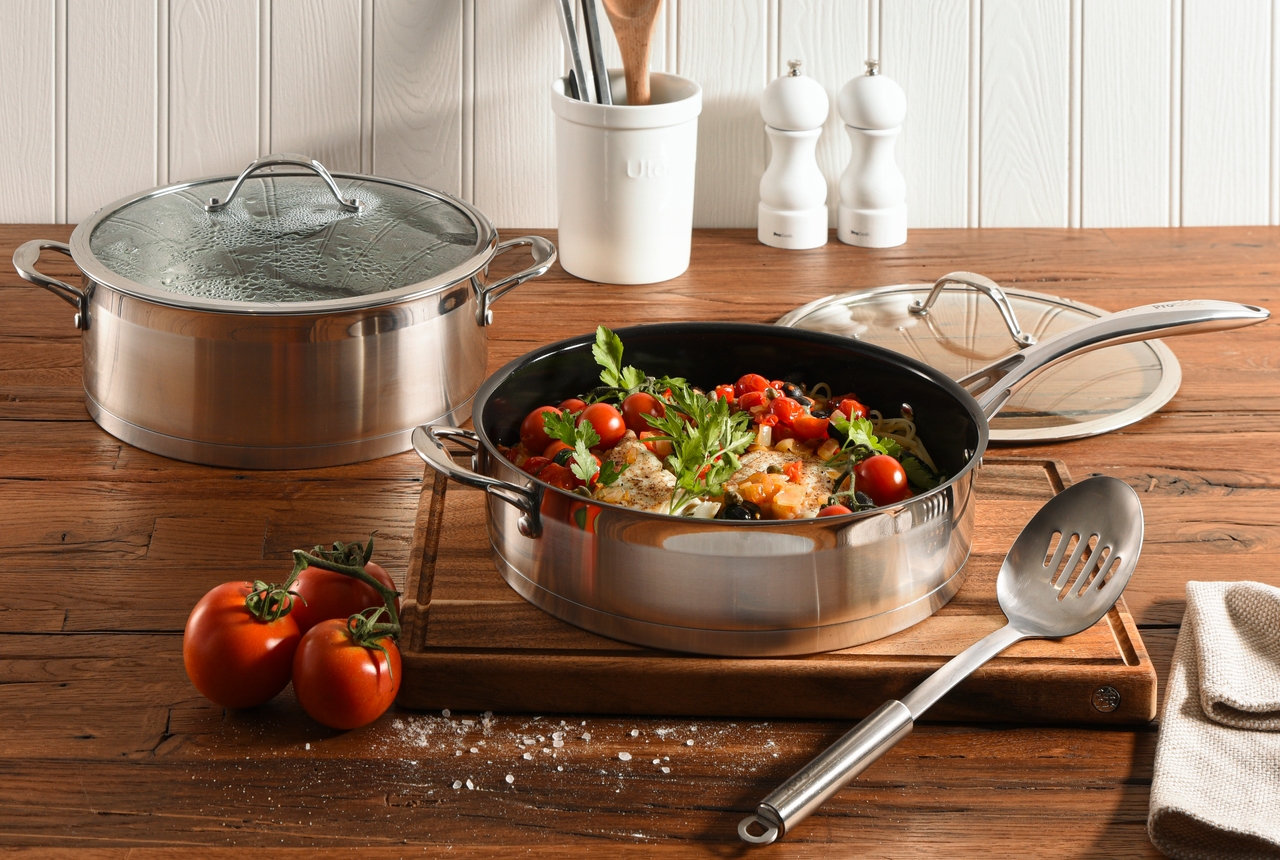
Nonstick Cookware has become a favorite in kitchens thanks to its effortless cooking and easy cleanup. At Magic Chef, we know that taking proper care of your nonstick Cookware can dramatically extend its lifespan and keep it performing at its best. Whether you cook daily or only a few times a week, understanding how to handle your nonstick Cookware will help you protect its coating and enjoy smooth, reliable results for years.
Why Proper Care Matters
Good nonstick Cookware is an investment, and caring for it properly prevents scratches, peeling, and uneven heating. When nonstick Cookware is treated with the right cleaning and cooking practices, it stays slick, safe, and long-lasting. Improper care, however, can quickly damage the surface. With a few simple habits, you can get the most from your nonstick Cookware and avoid unnecessary replacements.
Best Practices for Cooking With Nonstick Cookware
Preheat Gently
Unlike stainless steel, nonstick Cookware performs best over low to medium heat. High heat can break down the coating and shorten the life of your Cookware. Instead, allow the pan to heat gradually. This protects the surface and keeps the coating smooth.
Use the Right Utensils
Metal utensils can scratch and permanently damage nonstick Cookware, so choose wooden, silicone, or plastic tools. These materials glide over the surface without leaving marks, helping your Cookware maintain its quality over time.
Add a Small Amount of Oil
Even though nonstick Cookware requires less fat, using a small amount of oil can improve browning and protect the coating. Avoid aerosol sprays, as they can leave sticky residue that builds up and reduces the performance of your Cookware.
Cleaning Tips to Extend Cookware Life
Let It Cool Before Washing
Placing hot nonstick Cookware under cold water can warp the pan and weaken the nonstick surface. Instead, allow your Cookware to cool naturally before washing.
Hand Wash for Best Results
Even if your nonstick Cookware is labeled dishwasher safe, hand washing is still the gentlest and safest method. Use warm water, mild dish soap, and a soft sponge. Avoid steel wool or abrasive pads, which can quickly damage your Cookware.
Remove Residue Regularly
Over time, oils and cooking sprays may leave a thin film on the surface of your Cookware, affecting its nonstick ability. To refresh it, use a baking soda and water paste and gently scrub with a soft sponge. This helps restore the smooth cooking surface without harming the coating.
Proper Storage to Protect Nonstick Cookware
Avoid Stacking When Possible
Stacking your nonstick Cookware can cause scratches, especially if heavier items sit on top. If you must stack, place soft pan protectors, towels, or cloths between each piece to keep surfaces safe.
Store With Care
Designating a special space for your nonstick Cookware ensures it stays in good condition. Avoid storing it under heavy cast iron or stainless steel pans, which may press into or scratch the coating.
Common Mistakes to Avoid
Using High Heat
One of the fastest ways to wear down the coating on nonstick Cookware is cooking on very high heat. It causes damage, discoloration, and reduced nonstick performance. Stick to low or medium settings for most recipes.
Using Harsh Cleaners
Bleach, oven cleaners, and abrasive powders can deteriorate the surface of your nonstick Cookware. Always choose gentle soaps and soft tools.
Cutting Food in the Pan
Knives and sharp tools can easily score the coating. Always transfer food out of your nonstick Cookware before slicing or chopping.
When to Replace Your Nonstick Cookware
Even with proper care, nonstick Cookware eventually wears down. If you notice peeling, flaking, or deep scratches, it's time to replace it. Damaged Cookware not only performs poorly but can also impact food quality. Regularly inspecting your nonstick pieces ensures you always cook safely and effectively.
How to Make Your Nonstick Cookware Last Longer
Set a simple care routine: use gentle utensils, cook on moderate heat, wash by hand, and store your nonstick Cookware properly. With these habits, your Cookware will stay in excellent condition. Many home cooks find that well-maintained nonstick Cookware lasts several years without losing its smooth performance.
Conclusion
Taking good care of your nonstick Cookware ensures you enjoy effortless cooking and easy cleanup for the long term. By following the right cooking methods, cleaning practices, and storage habits, you’ll protect your investment and keep your Cookware performing like new. With mindful maintenance, your kitchen stays efficient, your meals turn out better, and your nonstick Cookware continues to shine every day.