Understanding Mudjacking: What It Is and How It Works
Mudjacking is an innovative and effective solution for addressing concrete settling and leveling issues. By injecting a specialized mixture beneath sunken slabs, it provides a permanent fix for various concrete problems. This method is not only efficient but also less invasive compared to other approaches like slab replacement. Understanding the intricacies of Mudjacking can help property owners make informed decisions when it comes to maintaining their concrete surfaces.
Defining Mudjacking Techniques
Mudjacking, also known as slabjacking or concrete lifting, involves the injection of a mixture of water, soil, sand, and cement beneath the concrete slab. This mixture serves as a strong, stable base that raises the sunken concrete back to its original position. There are different techniques used in mudjacking, including:
- Traditional Mudjacking: Typically involves a heavier mixture and is best for larger slabs or areas that have experienced significant settling.
- Polyurethane Foam Injection: A more modern approach where a lightweight foam expands beneath the slab, providing both lifting and void-filling properties.
- Piering Systems: Sometimes incorporated when the settling is severe; it utilizes piers that extend deep into the ground for additional support.
Each of these techniques has its advantages and is selected based on the specific needs of the property.
How Mudjacking Restores Concrete
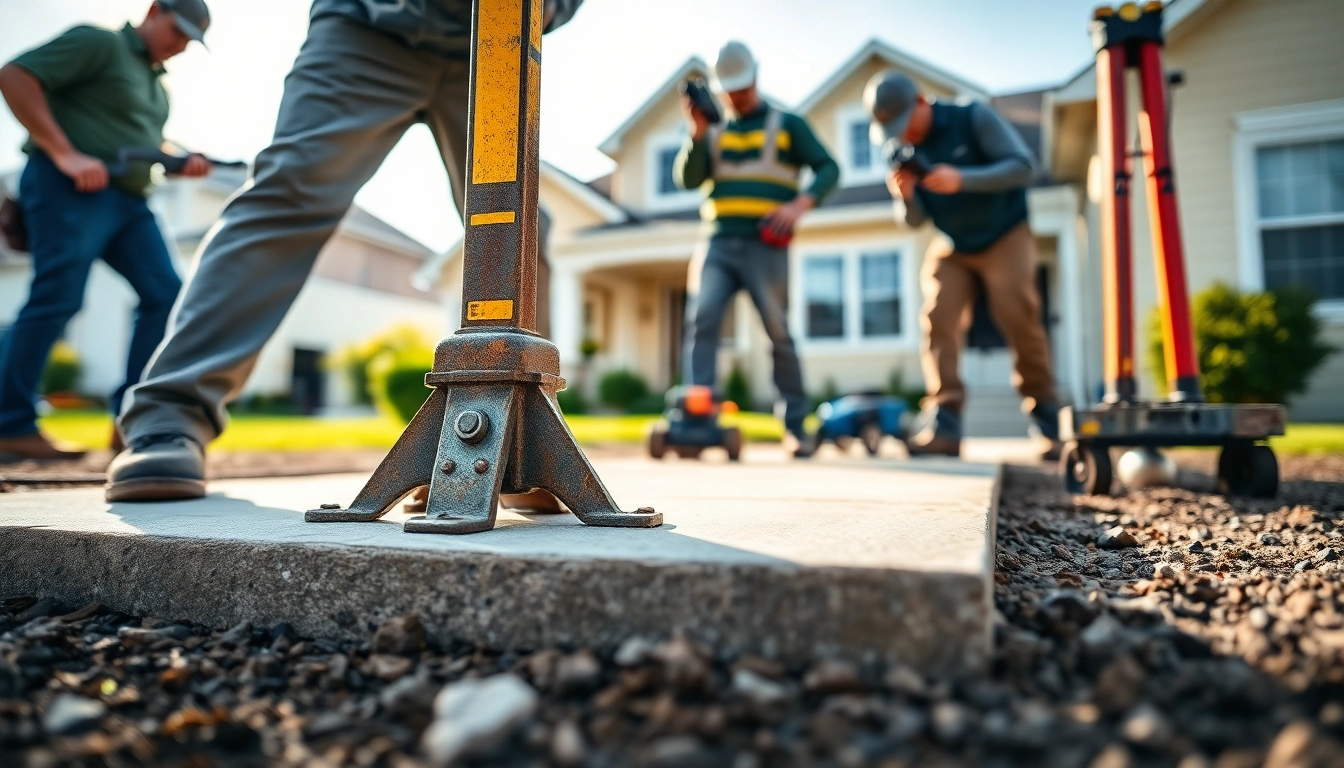
The process of mudjacking involves several key steps. Initially, the concrete surface is inspected to identify areas that need lifting. Small holes are then drilled into the slab, typically every 4 to 6 feet apart. The mudjacking mixture is pumped into these holes using high-pressure equipment, causing it to flow beneath the slab and raise it to its desired elevation. This method not only restores the level surface but also stabilizes the foundation.
Common Applications of Mudjacking
Mudjacking is versatile and can be applied in various scenarios. Some common applications include:
- Residential Properties: Fixing uneven driveways, patios, and sidewalks.
- Commercial Buildings: Ensuring safety and accessibility by leveling walkways and loading docks.
- Public Infrastructure: Restoring the integrity of roads and bridges that have suffered from settling.
This adaptability has made mudjacking a popular choice among property owners seeking economical and effective solutions for concrete issues.
The Benefits of Choosing Mudjacking for Your Property
When considering concrete repair options, mudjacking stands out due to its numerous benefits. Below are some compelling reasons to choose this method for your property:
Cost-Effectiveness of Mudjacking
One of the most significant advantages of mudjacking is its cost-effectiveness. Compared to replacing a concrete slab, which can cost significantly more, mudjacking provides a budget-friendly alternative. The process typically costs about half the price of full slab replacement, making it accessible for homeowners and businesses alike. Additionally, since the work can usually be completed in a matter of hours, labor costs are greatly reduced.
Environmental Benefits of Mudjacking
Mudjacking is not only cost-effective but also environmentally friendly. By repairing and lifting existing slabs, it reduces the need for new concrete production, which saves on resources and minimizes waste. Furthermore, the materials used in the mudjacking mixture are often sourced locally, which cuts down on transportation emissions. For eco-conscious individuals, this method aligns with sustainable practices.
Long-Term Durability and Maintenance
Once mudjacking has been completed, the results can last for many years. The stabilizing effect of the slurry mixture helps prevent future settling, ensuring that the concrete remains level and functional. This long-term durability can save property owners money in the long run, as it diminishes the need for future repairs. Routine maintenance, such as sealing joints and monitoring for signs of settling, can further extend the life of the repaired areas.
Identifying When Mudjacking Is Necessary
Understanding when to seek mudjacking services can prevent minor issues from becoming major problems. Here are some signs that indicate mudjacking may be necessary:
Signs Your Concrete Needs Mudjacking
Look for the following signs that your concrete slabs may require attention:
- Visible Cracks: Cracks or fissures in your concrete are a clear indication that settling has occurred.
- Pooling Water: If water collects in certain areas following rainfall, it may be due to uneven surfaces.
- Uneven Surfaces: Areas that feel unlevel or have noticeable slopes can pose safety hazards.
Factors Leading to Concrete Settling
Understanding the root causes of concrete settling can help in prevention and mitigation. Common factors include:
- Soil Erosion: Natural drainage or heavy rainfall can wash away soil supporting concrete.
- Ground Freezing: Seasonal thawing and freezing can lead to shifts in soil density.
- Poor Drainage: Improper drainage systems can result in excess moisture that deteriorates soil quality.
Inspection Checklist for Homeowners
For homeowners looking to assess their property, consider using the following checklist:
- Check for visible cracks in driveways, sidewalks, and patios.
- Observe for signs of water pooling in low areas.
- Monitor for any sections that appear to be sinking or uneven.
- Inspect nearby gutters and drainage systems for functionality.
How to Prepare for a Mudjacking Service
Once you determine that mudjacking is needed, it’s important to prepare effectively for the service. Here’s how:
Selecting a Qualified Mudjacking Contractor
Choosing a reliable contractor can significantly impact the outcomes of your mudjacking service. Look for the following qualifications:
- Experience: Ensure the contractor has ample experience specifically in mudjacking services.
- Reviews: Check customer testimonials and online reviews to gauge satisfaction and reliability.
- Insurance and Warranty: Verify that the contractor is insured and offers a warranty on their workmanship.
Preparing Your Property for the Process
Before the contractor arrives, there are several steps property owners can take to ensure a smooth process:
- Clear the area of obstacles, such as furniture, vehicles, and decorative elements.
- Ensure easy access to the affected concrete slab for the contractors’ equipment.
- Communicate any specific concerns or questions with the contractor ahead of time.
Understanding the Timeline and Costs
The timeline for mudjacking can vary depending on the scale of the project, but most jobs can be completed in a single day. As for costs, they generally range from $500 to $1,500, depending on the size and extent of the damage. It's advisable to request a detailed estimate and discuss any additional costs upfront to avoid surprises.
Post-Mudjacking Care: Maintaining Your Concrete
After the mudjacking service is completed, it is essential to take care of the newly leveled concrete to maximize its lifespan:
Best Practices for Concrete Care After Mudjacking
Here are some best practices to maintain your concrete after mudjacking:
- Keep the area clean by regularly removing debris or snow, which can trap moisture.
- Avoid using de-icing chemicals that can harm the concrete surface.
- Consider applying a protective sealant after a period of cure time to enhance durability.
Monitoring Changes in Your Concrete's Condition
After mudjacking, homeowners should be vigilant in monitoring the condition of their concrete. Regular inspections can help identify any signs of settling or damage early on, which can be crucial for catch and rectify potential issues before they worsen.
When to Schedule Follow-Up Inspections
It’s a good practice to schedule follow-up inspections six months to a year after the mudjacking service. An experienced contractor can help assess the stability of the concrete and suggest any additional preventative measures if necessary.