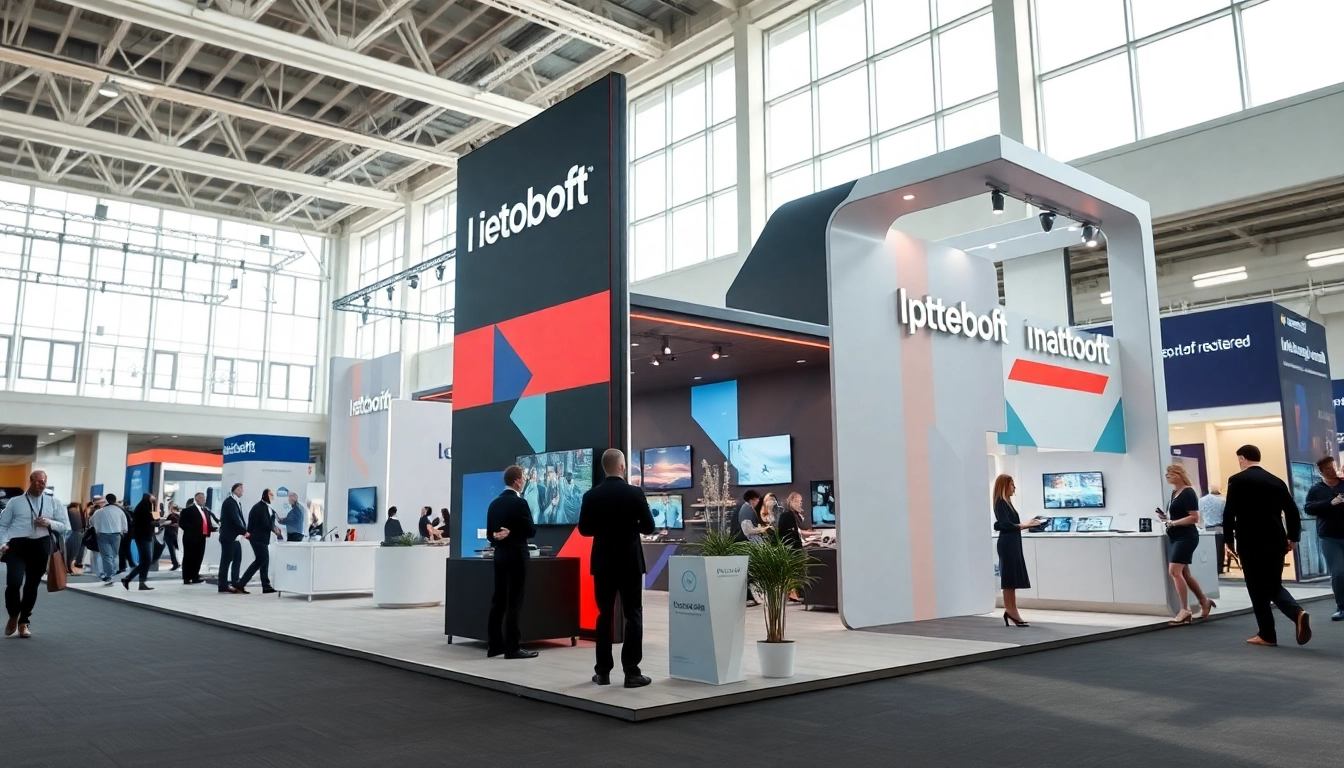
Understanding the Importance of a Trade Show Booth
In the bustling world of exhibitions and events, the significance of a well-designed trade show booth cannot be overemphasized. This integral part of marketing strategy serves not only as a physical representation of your brand but also as a crucial tool for engaging with potential customers and partners. Understanding the multifaceted role of a trade show booth is vital for businesses aiming to maximize their presence at trade shows and exhibitions.
The Role of Trade Show Booth in Brand Visibility
A trade show booth acts as the face of your business during events, where competitors are also vying for attention. It is an opportunity to showcase your products and services, tell your brand story, and create a memorable impression that resonates with your target audience. The design and functionality of your booth can significantly influence brand visibility and awareness, making it essential to consider the elements that will make it stand out among a sea of competitors.
Common Misconceptions about Trade Show Booths
Despite their importance, several misconceptions exist surrounding trade show booths. One prevalent myth is that larger booths are inherently more effective. While size can contribute to visibility, factors such as design, engagement strategies, and overall presentation often have a more significant impact. Another misconception is that simply setting up a booth guarantees foot traffic. In reality, active marketing efforts and strategic planning are crucial in attracting visitors and making meaningful connections.
Key Elements of an Effective Trade Show Booth
To maximize the efficacy of a trade show booth, several key elements must be considered:
- Design: The visual appeal of a booth can draw in visitors and keep them engaged.
- Brand Messaging: Clear communication of your brand's value proposition helps visitors understand what you offer.
- Interaction: Providing opportunities for interaction encourages engagement and makes your booth more memorable.
- Technology: Incorporating tech elements, such as digital displays, can enhance visitor experiences and information dissemination.
- Staff Training: Well-trained personnel can effectively communicate your brand’s message and optimize visitor interactions.
Designing Your Trade Show Booth for Success
Choosing the Right Layout and Structure for Your Trade Show Booth
The layout of your trade show booth plays a pivotal role in attracting visitors and facilitating engagement. An open design with clear pathways invites foot traffic, while organized sections can guide visitors to different aspects of your offering. Additionally, deciding between a modular design, which allows for easy adjustments, or a fully custom setup impacts the overall experience. Whichever route you choose, ensuring that your booth layout aligns with your branding and marketing goals is essential.
Selecting Visuals That Capture Attention at Your Trade Show Booth
Visual elements are crucial for drawing attention to your trade show booth. High-quality graphics, vibrant colors, and compelling imagery can differentiate your booth from others. Incorporating large banners, digital signage, and interactive displays can help capture the essence of your brand while engaging visitors effectively. It's vital to ensure that the visuals are consistent with your brand identity and messaging to create a cohesive experience.
Incorporating Technology into the Trade Show Booth
Integrating technology into your trade show booth can enhance visitor engagement and streamline communication. Tools such as virtual reality experiences, augmented reality displays, and interactive kiosks allow potential customers to interact with your brand in innovative ways. Utilizing tablets and mobile apps for lead generation and data collection can also facilitate post-event follow-ups and improve overall outbound marketing efforts.
Strategies for Engaging Visitors at Your Trade Show Booth
Creating Interactive Experiences at Your Trade Show Booth
Engagement is key at trade shows, and creating interactive experiences can significantly boost visitor interest. Activities such as product demonstrations, virtual reality tours, and interactive games can create memorable experiences that encourage visitors to spend more time at your booth. Engaging visitors through interactions not only captivates their attention but also fosters emotional connections with your brand.
Utilizing Giveaways and Promotions Effectively
Giveaways and promotional items can draw visitors to your booth and increase brand recall. The key is to offer items that align with your branding and resonate with your target audience. Unique, high-quality items are more likely to leave a lasting impression. Consider product samples, branded merchandise, or even raffle prizes that can incentivize visitors to engage with your booth and share their contact information.
Training Staff for Optimal Engagement at Your Trade Show Booth
Your booth staff plays a crucial role in creating a welcoming environment and facilitating meaningful interactions. Investing time in training your staff on product knowledge, communication skills, and engagement techniques can make a significant difference in how visitors perceive your brand. Encourage staff to be proactive in initiating conversations while ensuring they are approachable and knowledgeable about what your company offers.
Measuring the Success of Your Trade Show Booth
Key Performance Indicators for Trade Show Booth Success
To evaluate the effectiveness of your trade show booth, establishing key performance indicators (KPIs) is essential. Common KPIs include the number of leads generated, visitor engagement levels, social media interactions, and the overall foot traffic at your booth. These metrics provide valuable insights into areas of success and opportunities for improvement, influencing future strategies at trade shows.
Gathering and Analyzing Visitor Feedback
Post-event feedback from visitors can offer invaluable insights into their experience at your booth. Gathering feedback through surveys or informal conversations can uncover how visitors perceived your presence and what improvements could be made. Analyzing this data can help inform future booth designs and engagement strategies, ensuring a more effective approach at subsequent events.
Post-Event Follow-Up Strategies After the Trade Show Booth Experience
Effective post-event follow-up is crucial for converting leads gained during the event into actionable business opportunities. Prioritize timely follow-up communications, ensuring that they are personalized and relevant. Utilize the data collected during the event, including surveys, social media interactions, and lead forms, to inform your outreach strategy. This ongoing communication helps maintain the connection established at the trade show and fosters long-term relationships.
Case Studies: Successful Trade Show Booth Implementations
Highlighting Innovative Trade Show Booths from Various Industries
Diving into case studies of successful trade show booths provides valuable lessons and inspiration. For instance, companies that have employed immersive experiences, such as engaging touchpoints or interactive sessions, have reported higher engagement rates. These creative approaches can elevate the standard booth setup, transforming them into destination points for visitors.
Lessons Learned from Notable Trade Show Booth Experiences
Learning from both successes and failures of others can be tremendously helpful. Companies have discovered that personalizing visitor experiences through tailored content or demonstrations fosters a deeper connection and interest. In contrast, booths that did not consider visitor flow and engagement often struggled to attract foot traffic, highlighting the importance of planning and flexibility.
Best Practices to Emulate in Your Trade Show Booth
Applying the lessons learned from successful case studies, several best practices can be embraced to optimize your trade show booth strategy. Focus on clearly defined goals, vibrant visuals, and engaging staff training. Consistently measuring and adapting your approach based on both quantitative and qualitative feedback can also enhance the overall effectiveness of your trade show presence.