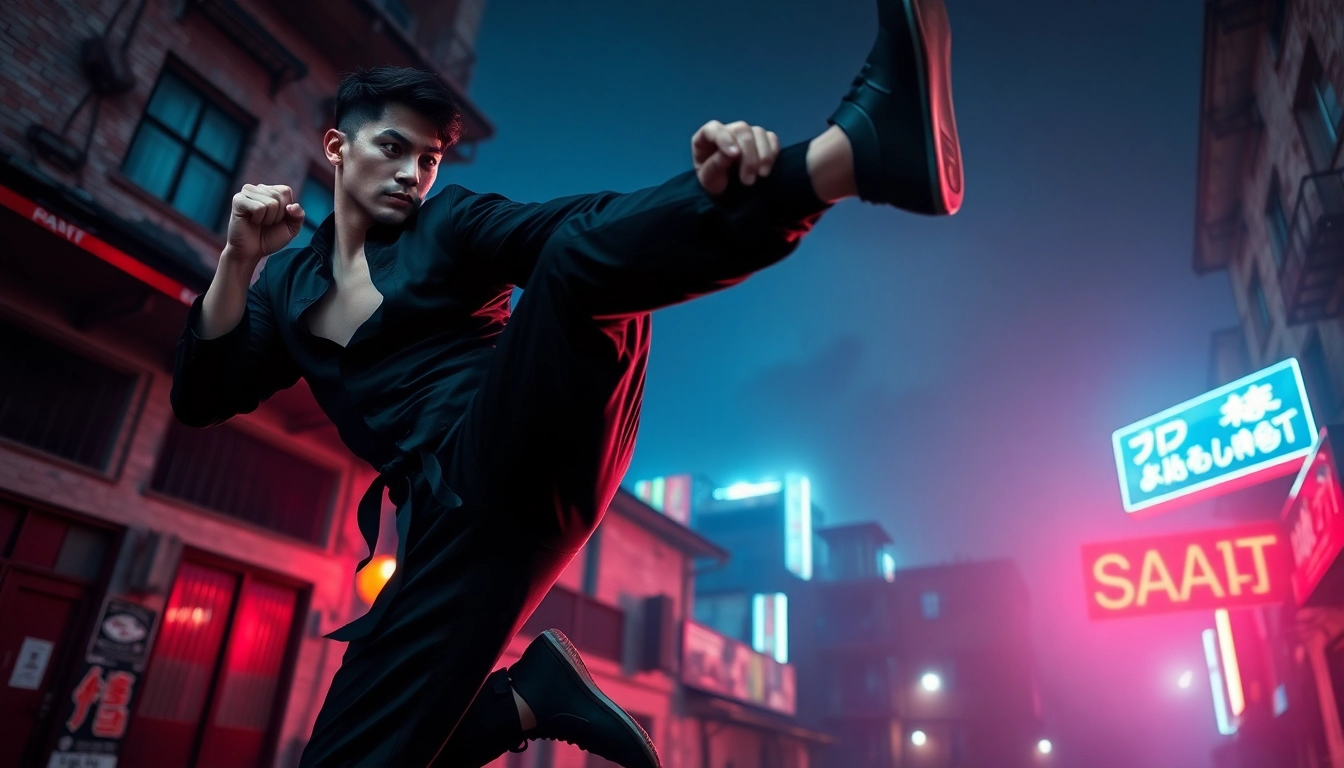
The Essence of Martial Arts Thriller
The genre of Martial Arts Thriller presents an engaging confluence of action, tension, and plot intricacies, captivating audiences around the globe. This article explores the foundational elements of martial arts thrillers, dissecting their character-building tactics and compelling plots while providing insights into their cinematic execution. Moreover, we will delve into audience engagement strategies that make these films resonate with fans.
Understanding the Genre's Foundations
The wealth of martial arts thrillers stems from a rich background rooted in various cultures, particularly those where martial arts have historically been significant. From the self-discipline of karate to the flowing movements of tai chi, these films encapsulate diverse techniques and philosophies that elevate the narrative beyond mere action sequences. The evolution of this genre illustrates the incorporation of eastern martial arts into Western storytelling frameworks, resulting in a unique blend that appeals to diverse audiences.
Key Characteristics of Martial Arts Thrillers
Several defining characteristics typify martial arts thrillers, making them instantly recognizable. Understanding these can deepen appreciation for the genre:
- Focus on Combat: The core of any martial arts thriller is the combat itself. The narrative arc often revolves around a protagonist mastering combat techniques to overcome adversity.
- High Stakes: Stakes in martial arts thrillers are typically elevated to a level where the protagonists face life-and-death situations, creating heightened suspense.
- Character Evolution: Central characters usually undergo significant growth, often beginning as novices or ordinary individuals who discover their potential through rigorous training and personal trials.
- Moral Ambiguity: The lines between hero and villain often blur, presenting complex characters that challenge typical moral frameworks.
Influential Films and Their Impact
Numerous films have solidified the influence of martial arts thrillers in cinema. Movies such as “The Matrix” and “Kill Bill” intertwine storytelling with martial arts choreography, setting new standards in action choreography and narrative depth. “Enter the Dragon,” featuring Bruce Lee, remains a seminal film that not only showcased martial arts techniques but also broke cultural boundaries, making martial arts appealing to a global audience.
Building Intriguing Characters
An engaging martial arts thriller relies heavily on its characters, particularly the protagonist and antagonist. This section outlines the components crucial to character development within this genre.
The Hero’s Journey in Martial Arts Thrillers
Central characters in martial arts thrillers often embark on a classic hero’s journey—a narrative arc that involves facing trials and temptations. This journey frequently includes:
- The Call to Adventure: The protagonist is thrust into conflict, often through a personal loss or a challenge that cannot be ignored.
- The Mentor Figure: Typically, the protagonist encounters a mentor who imparts knowledge, combat skills, and often wisdom that transcends brute strength.
- The Test: Trials are presented that showcase the protagonist's growth and determination—often culminating in a climactic showdown.
Villains That Captivate and Conquer
Effective antagonists contribute depth to martial arts thrillers, often embodying the darker side of the protagonist’s journey. These villains are not merely obstacles; they represent philosophical oppositions to the protagonist's journey. Notable examples include:
- Complex Backstories: Many villains possess extensive backgrounds that provide insight into their motivations, making their actions relatable.
- Philosophical Clashes: The conflict often reflects broader ideological struggles, with villains presenting compelling arguments that challenge the hero’s beliefs.
- Skilled Combatants: Engaging villains usually showcase martial arts prowess, creating intense battles that captivate audiences.
Supporting Characters That Elevate the Story
Supporting characters play a vital role in enriching the narrative framework of martial arts thrillers. Allies, family members, and mentors provide emotional depth and context that enhance the protagonist’s journey. Their interactions often reveal vulnerabilities and inner conflicts, allowing for a more nuanced perspective on the hero’s mission.
Crafting Compelling Plots
At the heart of every martial arts thriller lies a well-structured plot, engaging viewers from genesis to resolution. This section explores commonly used tropes and innovative approaches to storytelling in the genre.
Common Tropes and Their Innovations
While tropes in martial arts thrillers can be predictable, innovative filmmakers find ways to infuse originality. Some examples of common tropes include:
- The Revenge Arc: Protagonists often seek vengeance for a wrong suffered, which motivates their martial arts mastery and growth.
- Secret Societies: The notion of hidden martial arts schools or secret societies often adds layers of intrigue and mystery, propelling the plot forward.
- Coming-of-Age Themes: Many stories depict characters maturing and evolving through their conflicts, appealing to universal experiences.
Structuring Action Sequences for Maximum Effect
Action sequences are pivotal in martial arts thrillers, and their structure often dictates audience engagement. Effective storytelling integrates these sequences seamlessly into the narrative. Key strategies include:
- Pacing: Maintaining a balance between intense action and narrative development ensures that audiences remain emotionally invested.
- Visual Storytelling: cinematography focuses on angles and perspectives that emphasize the physicality of martial arts, enhancing the viewing experience.
Weaving Subplots into the Main Narrative
Subplots enhance tension and depth, contributing significantly to character arcs and thematic resonance. Integrative storytelling strategies can include familial relationships, romantic interests, or personal sacrifices that complement the central conflict, providing layers of emotional complexity.
Visual and Cinematic Techniques
The execution of martial arts thrillers heavily relies on visual aesthetics and cinematic techniques that heighten the overall impact of the film.
Choreography: The Heart of Action
Choreography serves as the backbone of any martial arts thriller. Expertly crafted fight scenes not only showcase physical capability but also narrate arcs of character development, emotion, and conflict. Collaborations with martial arts experts during the planning stages ensure authentic representation, and the seamless integration of choreography with narrative structure defines the hallmark of great films.
Cinematography for Tension and Excitement
Cinematography plays a crucial role in enhancing the emotional heft and exhilaration of action scenes. Camera angles, lighting, and shot composition create tension or excitement, be it through tight shots during close combat or expansive frames exposing the gravity of a looming threat. Effective use of slow motion can also heighten the impact of crucial fight moments, drawing the viewer into the physical realities of the conflict.
Sound Design: Enhancing the Atmosphere
Sound design must not be overlooked in the context of martial arts thrillers. The sharp sounds of fists meeting flesh, the swishing of clothes during rapid movements, and an impactful score all contribute to the immersive experience. Enhancing silence before a fight can also amplify tension dramatically, engaging the audience through anticipation.
Connecting with the Audience
Audience connection is vital to the success of any martial arts thriller. Filmmakers must engage viewers on multiple emotional and cultural levels to resonate deeply.
Emotional Engagement Through Storytelling
Audiences crave narratives that evoke empathy and understanding. Crafting stories that reflect universal themes—like loss, honor, and redemption—while embedding culturally relevant elements fosters deeper connections. Emotional engagements are enhanced by focusing on the protagonist's internal struggles parallel to their external conflicts.
Utilizing Cultural Elements for Resonance
Martial arts are not merely fighting styles; they encompass cultural heritage, philosophies, and values. Integrating these elements authentically allows stories to resonate with audiences from diverse backgrounds, facilitating a richer storytelling experience.
Marketing Strategies to Reach Martial Arts Thriller Fans
To ensure successful audience engagement, effective marketing strategies must be employed. This includes leveraging social media, engaging with fan communities, and showcasing dynamic trailers that highlight choreographed action sequences. Beyond traditional marketing, interactive engagements—such as behind-the-scenes content and Q&As with cast members—can provide fans with a sense of connection and anticipation.