Understanding the Basics of Gardening
What is Gardening?
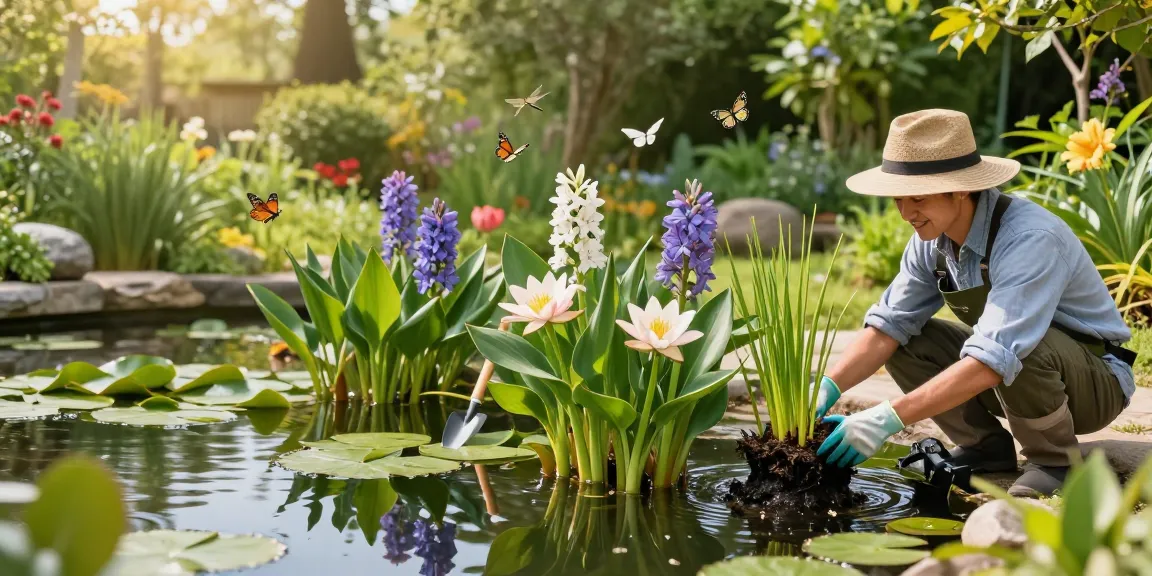
Gardening is the practice of cultivating and managing plants, whether for aesthetic purposes, food production, or aligning with personal wellness and sustainability goals. It involves selecting the right plants suitable for the environment, caring for them, and creating appealing landscapes that provide joy and utility. Each garden tells a story based on the preferences and intentions of its gardener, making it an art form as much as a labor of love. For more insights on this delightful hobby, you can explore Gardening in your local community.
Benefits of Gardening
The benefits of gardening extend beyond the mere act of planting and caring for plants. Engaging in gardening can enhance your mental wellbeing by reducing stress and anxiety. The physical activity involved in gardening promotes fitness and can contribute to a healthier lifestyle. Furthermore, gardens also enhance biodiversity and provide habitats for various wildlife, thereby playing a crucial role in ecological balance. Additionally, growing your own herbs, vegetables, and fruits can be economically advantageous, reducing the need to purchase these from the store while ensuring freshness and quality.
Essential Gardening Tools
Having the right tools is essential in gardening as it can significantly impact efficiency and outcomes. Fundamental tools include:
- Hand trowel: Perfect for digging small holes and planting seedlings.
- Pruning shears: Useful for trimming plants and maintaining their health.
- Garden fork: Helps to aerate the soil and mix important nutrients.
- Watering can or hose: Essential for properly hydrating plants.
- Gloves: Protect your hands from thorns, soil, and other irritants.
As you progress in your gardening journey, you might consider investing in more specialized tools tailored to your specific gardening goals.
Starting Your Gardening Journey
Choosing the Right Location for Gardening
Location is critical when initiating your garden. Factors to consider include sunlight exposure—most plants require at least 6-8 hours of direct sunlight daily. Assess the drainage in the area to avoid waterlogging and ensure that you're selecting a place that's easily accessible for regular maintenance. Additionally, consider proximity to water sources, as adequate and reliable watering is crucial for healthy plant growth.
Soil Preparation and Fertility
Healthy soil is the foundation of a thriving garden. Begin by testing your soil to determine its pH and nutrient levels. Depending on the results, you might need to amend the soil with organic matter, compost, or fertilizers to enhance its fertility. Clear away any rocks, weeds, or debris and till the soil to improve aeration. This preparation phase is vital for ensuring that plants have the nutrients they need to develop robustly.
Watering Techniques and Considerations
Watering is an essential component of gardening, yet it is often where many new gardeners falter. It's important to learn the right amount and frequency for your specific plants. Drip irrigation and soaker hoses are effective systems for delivering water directly to the roots while minimizing evaporation. Start by establishing a routine but be flexible and observant; adjust based on rainfall and the specific moisture requirements of your plants.
Types of Gardening
Vegetable Gardening Essentials
Vegetable gardening involves growing vegetables and fruits that can be harvested for consumption. Key principles include selecting varieties based on your climate and soil conditions. Crop rotation is also important; it helps prevent soil depletion and reduces pest problems. Start with easier crops like tomatoes, carrots, and lettuce, as these can provide quick rewards and boost confidence in novice gardeners.
Flower Gardening for Beginners
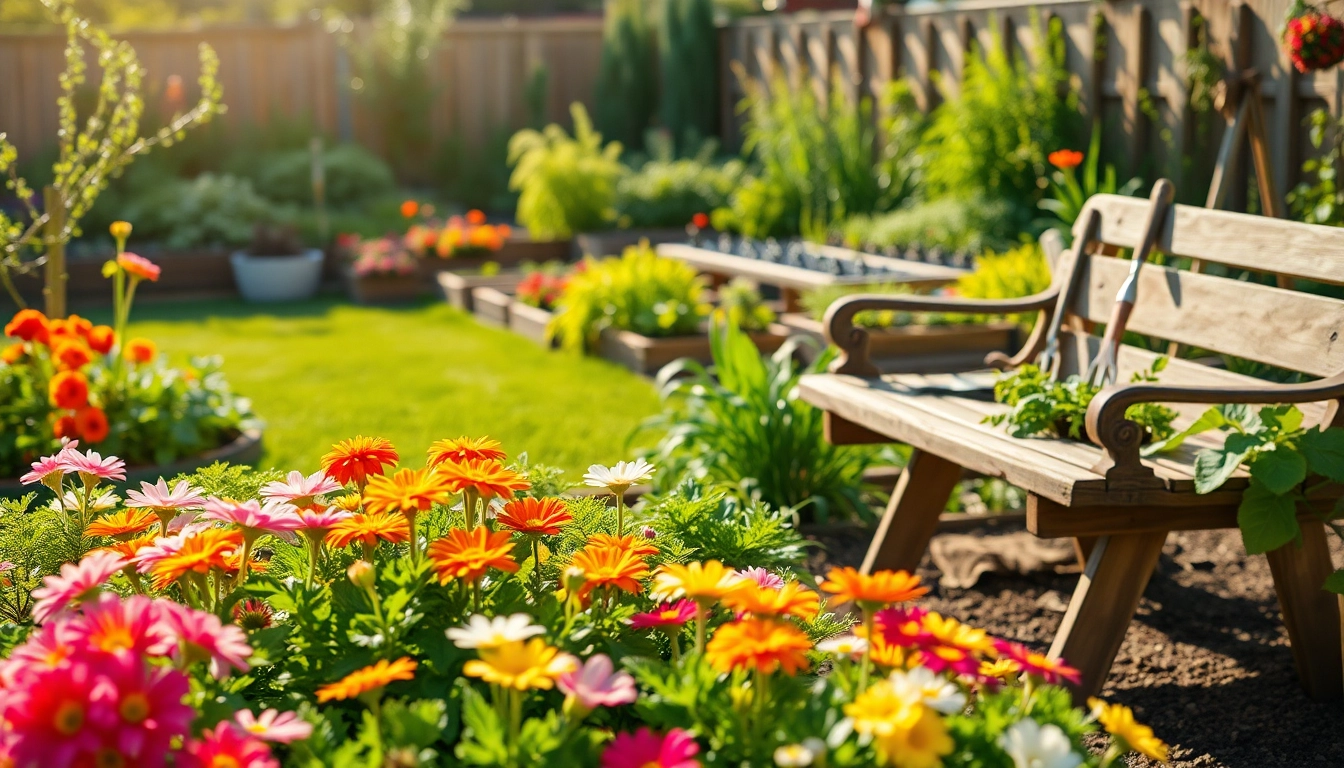
Flower gardening is a creative and rewarding pursuit that involves growing flowers for aesthetic appeal, enhancing landscapes, or cutting for arrangements. When selecting flowers, consider not only their beauty but also their growing requirements (sun, soil, and watering). Begin with hardy annuals and perennials, which are less demanding and can bloom through multiple seasons.
Container Gardening Solutions
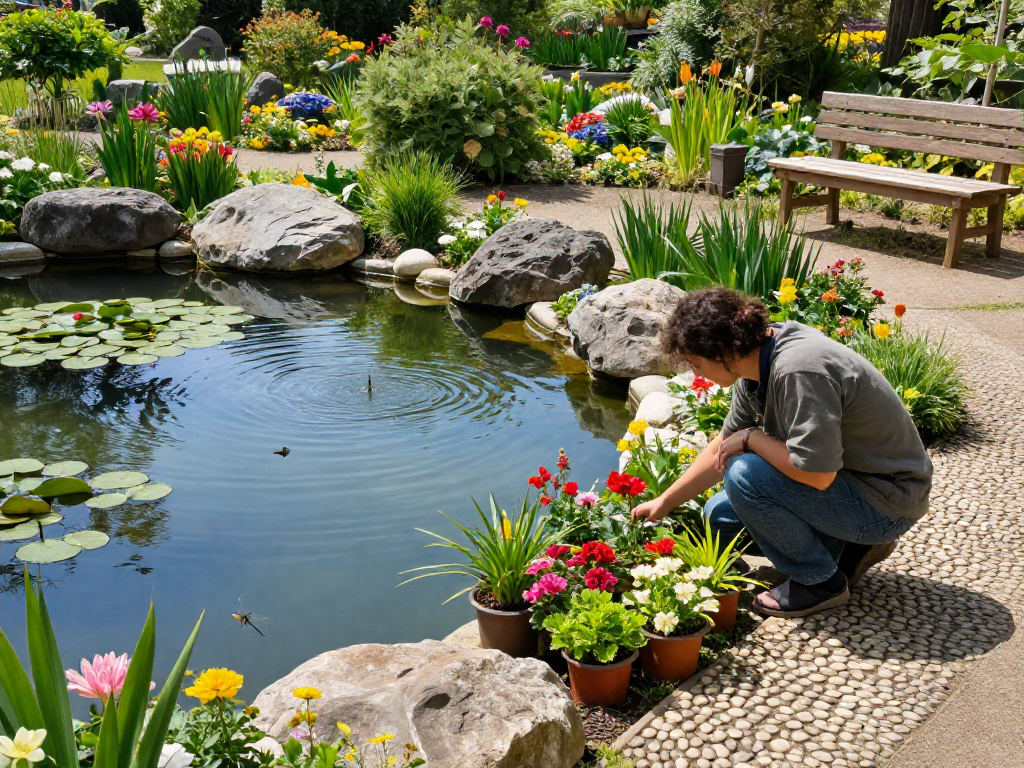
Container gardening is an innovative option for those with limited space such as apartments or small yards. Using pots, troughs, or even repurposed materials can allow you to cultivate a variety of plants. Ensure that containers have adequate drainage, select soil that retains moisture yet drains well, and always choose plants that can thrive within confined spaces.
Managing and Maintaining Your Garden
Weed Control Strategies
Weeds are a gardener's nemesis and can quickly take over a garden if not controlled. Regular weeding, especially after rains, is essential. Mulching with organic materials, such as straw or wood chips, can suppress weed growth while adding nutrients to the soil. For persistent weeds, consider employing techniques like solarization, where clear plastic is used to trap heat in the soil, killing weed seeds.
Pest Management Techniques
Pests can pose a significant threat to your garden, and recognizing them early is crucial. Integrated Pest Management (IPM) combines cultural practices, mechanical controls, and biological methods to keep pests at bay without relying excessively on pesticides. Introduce beneficial insects like ladybugs and lacewings, which naturally prey on pest populations. When necessary, opt for organic solutions and ensure to identify pests accurately before taking action.
Seasonal Gardening Tips
Gardening is a year-round activity that requires adaptation to seasonal changes. In spring, focus on planting new seeds and nurturing young plants. Summer is for maintenance, ensuring proper watering and combating pests. As autumn arrives, consider planting perennials and preparing the garden for the winter months. In winter, protect fragile plants and prepare for the upcoming growing season by planning. Each season provides unique tasks and opportunities that can enhance your gardening experience.
Advanced Gardening Techniques
Organic Gardening Practices
Organic gardening emphasizes sustainable practices that do not rely on synthetic fertilizers or pesticides. Practitioners often use compost, cover crops, and crop rotation to maintain soil health. Understanding local ecosystems allows organic gardeners to work in harmony with nature, fostering a balanced environment that minimizes disease and pest outbreaks naturally.
Permaculture and Sustainability
Permaculture offers a holistic approach by designing agricultural systems so they are self-sustaining and regenerative. This method emphasizes ethics—caring for the Earth, people, and producing fair share outputs. By creating interconnected systems, such as letting plants support one another, gardeners can reduce their environmental footprint and enhance the resilience of their gardens.
Maximizing Garden Yield
To maximize yield, gardeners must focus on planning, spacing, and crop selection. Companion planting, where certain plants are strategically placed for mutual benefit (such as pest control or improved growth), can greatly enhance productivity. Sequential planting, or staggering planting times, helps ensure continuous harvests rather than a singular burst. Keeping meticulous records can help identify which methods yield the best results over time, allowing for continuous improvement in your gardening practices.