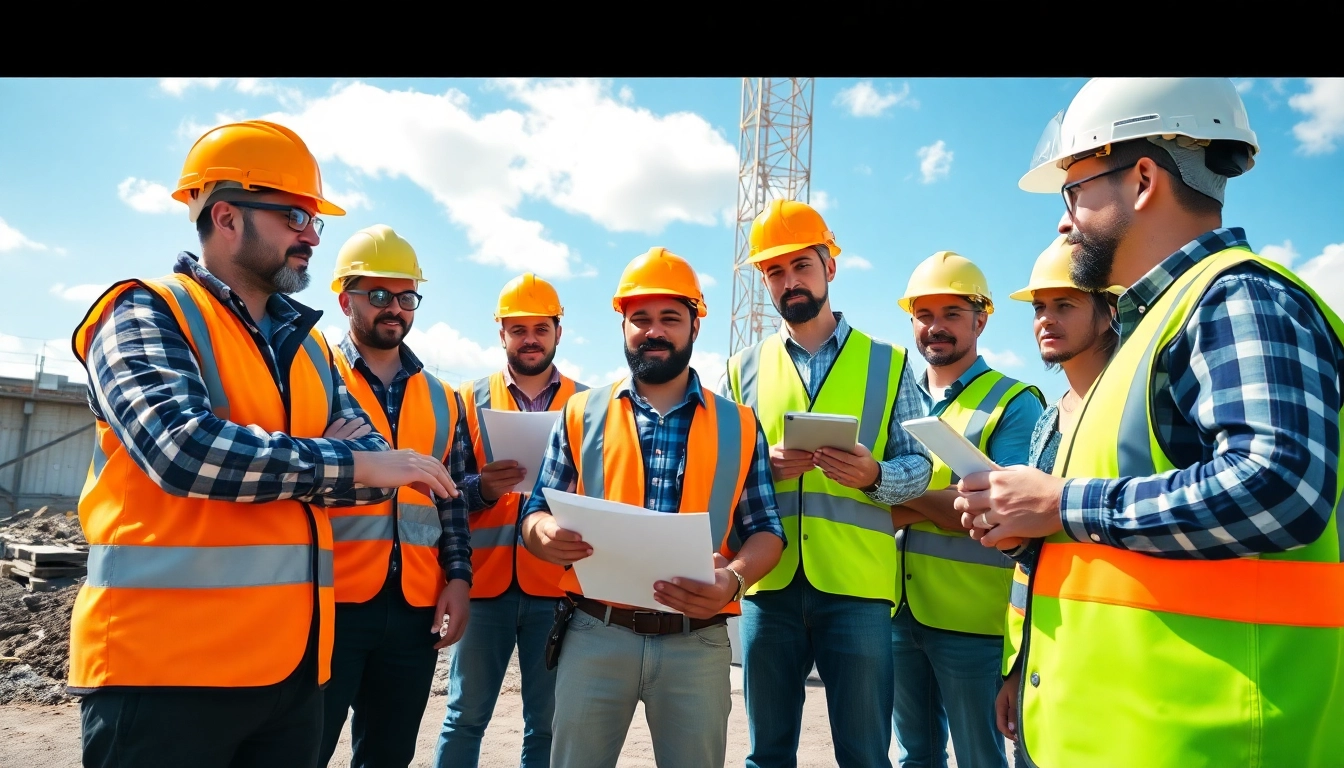
Understanding Construction Safety Training
Construction safety training is a critical component of workforce management in the construction sector. With the inherent risks associated with construction sites, the need for comprehensive safety training cannot be overstated. This type of training equips workers with the knowledge and skills to handle potential hazards effectively, thus reducing incidents that can lead to injuries or fatalities. Utilizing effective programs in construction safety training is essential in cultivating a culture of safety that prioritizes the well-being of all employees.
Importance of Construction Safety Training
The importance of construction safety training extends beyond compliance with regulations; it is fundamentally about protecting lives and fostering a safe work environment. When employees are well-trained, they acquire the knowledge and habits necessary to identify hazards, make informed decisions, and take appropriate actions during emergencies. Furthermore, effective training programs can lead to lower insurance costs, fewer legal liabilities, and reduced downtime due to workplace accidents. Ultimately, prioritizing safety enhances the reputation and operational efficiency of construction companies.
Common Safety Hazards in Construction
Understanding the common safety hazards in the construction industry is crucial for developing targeted training. Key hazards include:
- Falls: One of the leading causes of injuries and fatalities in construction. Proper training on fall protection methods is essential.
- Electrocution: Contact with live wires or equipment can lead to serious injuries. Training should include identification of electrical hazards.
- Being Struck by Objects: Falling tools or equipment pose risks. Training can teach workers about safe practices and the use of protective gear.
- Caught-in/between Hazards: Workers may become caught in machinery or between objects. Safety training must address these situations and how to avoid them.
- Hazardous Materials: Exposure to toxic substances can cause long-term health issues. Training on handling and storage is vital.
Overview of Training Methods
Diverse training methods can be employed to enhance construction safety. Some effective methods include:
- In-Person Training: Interactive classroom sessions enable direct engagement with instructors and hands-on experiences.
- Online Training: E-learning platforms allow flexibility, enabling workers to complete training at their own pace while providing access to multimedia resources.
- On-Site Training: Conducting training directly on the job site provides practical, real-world scenarios that reinforce learning.
- Simulations: Using virtual reality or simulators to recreate hazardous situations helps employees practice responses in a controlled environment.
Key Components of Effective Training Programs
Essential Topics to Cover
To develop an effective construction safety training program, certain essential topics must be covered, including:
- Risk Assessment: Training workers to identify and assess risks associated with their tasks is vital.
- Personal Protective Equipment (PPE): Educating workers on appropriate PPE and its usage can decrease the likelihood of injuries.
- Emergency Procedures: Workers must learn emergency protocols to respond effectively during incidents.
- First Aid and CPR: Basic first aid training can empower workers to act swiftly in an emergency.
Interactive Training Techniques
Interactive training techniques engage workers and enhance knowledge retention. Methods include:
- Group Discussions: Encourage sharing of experiences and ideas, fostering collaboration.
- Role-Playing: Simulating real-life scenarios helps participants practice problem-solving skills.
- Quizzes and Games: Incorporating fun elements makes learning enjoyable and memorable.
Utilizing Technology for Training
Technology plays a crucial role in modernizing construction safety training. Leveraging technology can involve:
- Mobile Learning Apps: On-the-go training resources increase accessibility and cater to varied learning styles.
- Webinars: These facilitate participation from experts globally, providing access to diverse perspectives.
- Data Analytics: Monitoring employee progress using analytics can inform adjustments in training strategies.
Implementing Training in the Workplace
Designing a Training Schedule
Developing a systematic training schedule ensures consistency and effectiveness. Companies should consider:
- Conducting initial training during onboarding.
- Scheduling refresher courses regularly to update knowledge.
- Adapting training frequency based on the specific needs of the workforce.
Assigning Responsibilities
Having clear roles enhances accountability in training delivery. Responsibilities may include:
- Safety Officers: Overseeing the training process and ensuring compliance.
- Supervisors: Reinforcing training concepts on-site and ensuring adherence to safety protocols.
- Employees: Actively participating and providing feedback to improve the training program.
Tracking Employee Progress
Monitoring progress is crucial to ensure that training goals are met. Strategies can involve:
- Utilizing management software to track participation and performance.
- Conducting assessments to gauge knowledge retention.
- Collecting feedback through surveys to enhance future training initiatives.
Evaluating the Effectiveness of Training
Setting Performance Metrics
Establishing clear performance metrics allows organizations to quantify the effectiveness of their training programs. Common metrics may include:
- Reduction in incident rates.
- Employee engagement levels during training.
- Satisfaction ratings collected through feedback forms.
Conducting Feedback Sessions
Regular feedback sessions are vital for continuous improvement. These sessions can provide valuable insights by:
- Gathering employee opinions about the training process.
- Identifying challenges faced during training and potential solutions.
- Engaging employees in the planning of future training initiatives.
Adjusting Training Based on Results
Data derived from performance metrics and feedback should inform ongoing modifications to training programs. This can involve:
- Updating training materials to address emerging hazards and techniques.
- Expanding training methods to incorporate more interactive elements based on employee preference.
- Setting new objectives based on past performance to continuously elevate training outcomes.
Frequently Asked Questions
What is the goal of construction safety training?
The goal of construction safety training is to reduce the risk of accidents and injuries on-site by equipping workers with essential safety knowledge and practices.
How often should training be conducted?
Training should be conducted at onboarding, followed by regular refreshers, typically once a year or more frequently depending on specific job requirements and regulations.
Who is responsible for safety training?
Safety training is a shared responsibility; employers must provide training resources while employees must engage actively in the training process.
What are the legal requirements for safety training?
Legal requirements may vary, but organizations must comply with OSHA regulations and local laws, which often mandate specific safety training for particular hazards.
How can I improve employee participation?
Improving employee participation can be achieved by making training relevant, engaging, and interactive, while also recognizing and rewarding active involvement.