
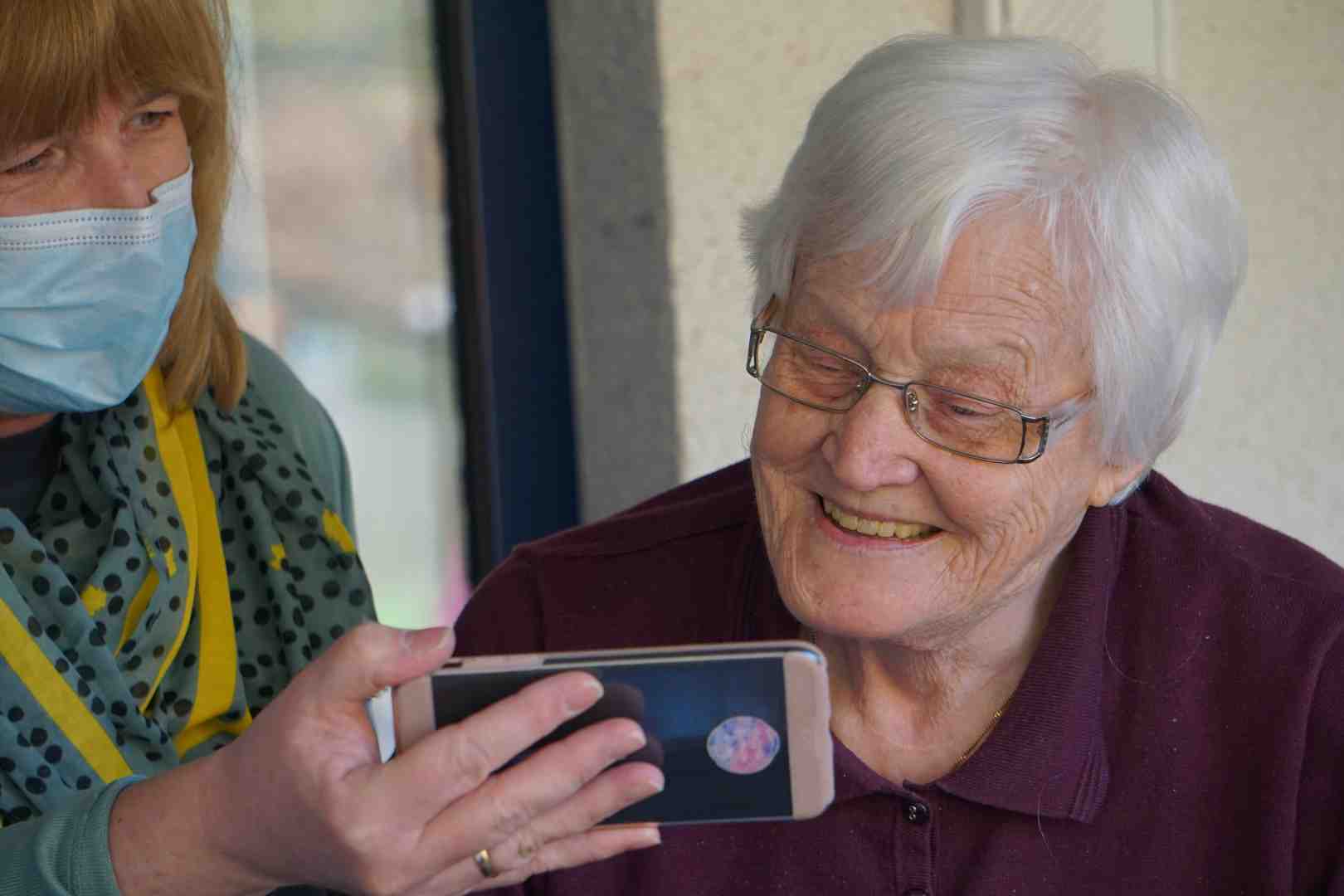
Caring for aging parents or seniors at home requires patience, skill, and commitment. A trained Elderly care maid can make a significant difference by ensuring safety, comfort, and emotional support. However, proper training is essential to help them perform confidently and compassionately. In this guide, we explain how to train an elderly care maid step-by-step so they can provide excellent home-based elder care.
Why Training an Elderly Care Maid Matters
Many families assume an elderly care maid naturally knows how to handle older adults. But senior care involves more than basic housekeeping. Trained helpers can:
- Handle mobility assistance safely
- Manage daily routines and hygiene confidently
- Communicate gently with seniors
- React effectively in emergencies
- Provide companionship and emotional care
Proper training ensures your elderly care maid works efficiently, maintains dignity for your loved one, and reduces caregiver stress in your household.
Essential Skills Every Elderly Care Maid Should Learn
Communication & Compassion
A successful elderly care maid must be patient, polite, and understanding. Elderly individuals may repeat conversations, struggle with hearing, or have memory issues. Training the maid to listen attentively, speak clearly, and show empathy builds trust and emotional comfort.
Basic Medical & Health Knowledge
Although they are not nurses, an elderly care maid should understand:
- How to assist with medication reminders
- Recognizing symptoms like dizziness, fever, or fatigue
- Tracking food and water intake
- Knowing when to inform family members
This ensures the senior’s health stays monitored daily.
Safe Mobility Assistance
Mobility support is essential for seniors with weak muscles or balance problems. Train your elderly care maid to:
- Assist with getting up from bed or chair
- Support walking safely
- Use wheelchairs or walking frames correctly
- Prevent falls by clearing walkways and using grip handles
Proper movement support prevents injuries and promotes independence.
Hygiene and Grooming Care
Daily hygiene plays a big role in senior comfort and dignity. An elderly care maid must learn:
- Bathing procedures (full or partial bath depending on condition)
- Hair and skin care routines
- Oral hygiene support
- Maintaining clean clothes and bedding
They should perform these activities gently, respecting privacy at all times.
Daily Routine Training for an Elderly Care Maid
Morning Support
Train your elderly care maid to help seniors start their day with:
- Wake-up assistance
- Personal hygiene
- Comfortable clothing selection
- Light stretching or short walks if able
- Breakfast preparation and serving
A structured morning boosts mood and stability.
Meal Planning & Nutrition
Elderly individuals need balanced meals. Guide your elderly care maid on:
- Preparing soft, digestible meals
- Offering small, frequent portions if appetite is low
- Ensuring hydration
- Understanding dietary restrictions
Consistent nutrition improves senior energy and health.
Afternoon & Evening Care
Teach your elderly care maid to include:
- Medication reminders
- Rest assistance
- Light exercises or activities
- Evening hygiene routines
- Safe bedtime preparation
Maintaining predictable schedules gives seniors comfort and security.
Emotional & Mental Support Training
A good elderly care maid does more than physical care — emotional well-being matters. Train them to:
- Engage in light conversations
- Encourage hobbies like reading or music
- Play memory-boosting games
- Respect quiet time when needed
- Offer reassurance and companionship
This helps seniors feel valued and connected.
Safety & Emergency Preparedness
Training your elderly care maid in safety is crucial. They should know:
- How to safely assist during falls
- Emergency contact procedures
- Basic first aid awareness
- Fire and home safety rules
Regular drills and instructions help the elderly care maid stay alert and prepared.
Family Involvement and Feedback
Training works best with cooperation. Encourage your elderly care maid to:
- Report changes in health or mood
- Follow daily care instructions closely
- Ask questions when unsure
- Attend follow-up training sessions
Regular feedback sessions improve performance and trust.
Conclusion: Build Confidence and Care with Proper Training
A trained elderly care maid becomes more than a household helper — they become a compassionate companion who ensures dignity and well-being for seniors. With the right guidance, they will support physical needs, emotional comfort, and home safety every day. Investing time in their training leads to peaceful care, happier seniors, and a stress-free family environment.