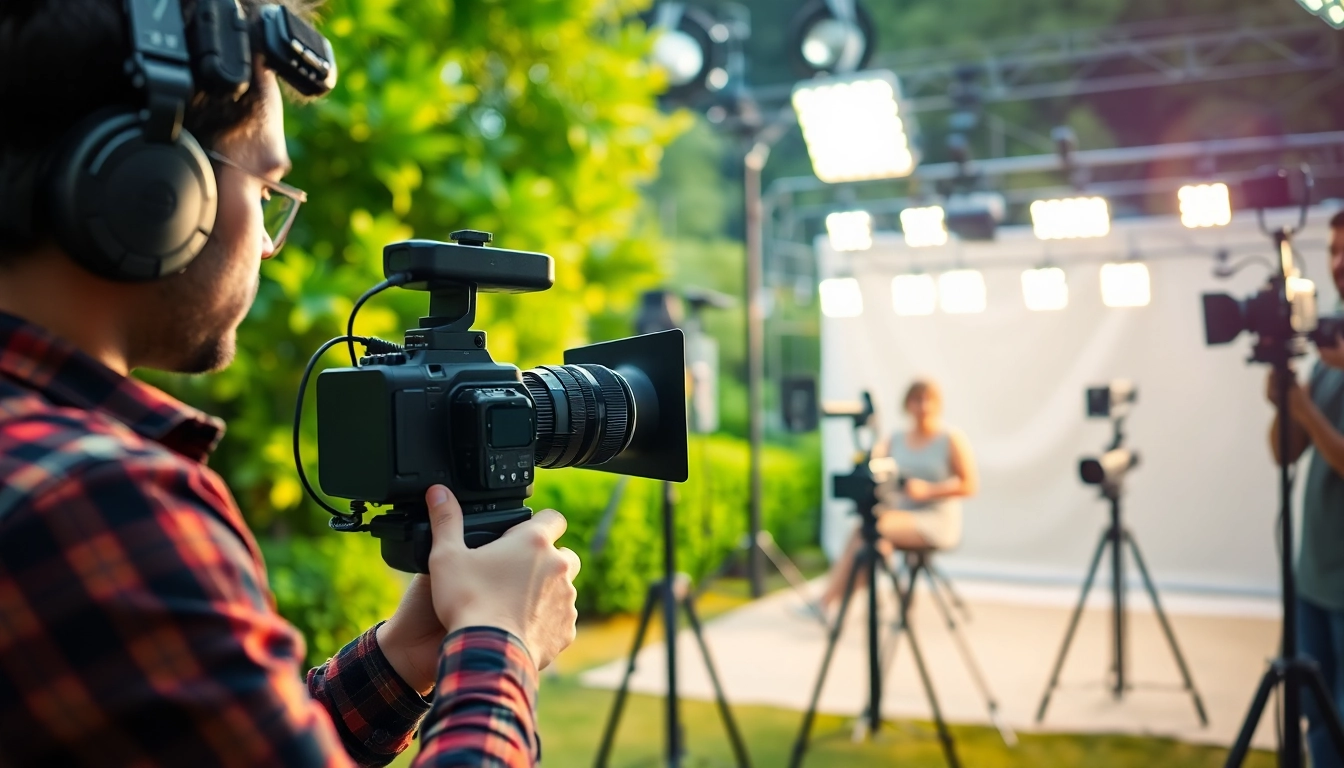
Introduction to Video Production
Video Production is a multifaceted process that involves the creation of video content from inception to final product. It is not merely about recording visuals; it encompasses a variety of stages that together tell a cohesive story, convey a message, or serve a specific purpose. Understanding the fundamentals of Video Production is crucial for anyone looking to produce compelling visual content, whether for marketing, entertainment, or educational purposes.
Understanding Video Production Basics
At its core, video production combines creativity with technical expertise. It requires an understanding of how to effectively use camera equipment, lighting, sound, and editing software to create high-quality videos. Video production can be segmented into several key stages: planning, pre-production, production, post-production, and distribution. Each stage plays an essential role in ensuring that the final product meets expectations and resonates with the target audience.
The Importance of Storyboarding
One crucial aspect of successful video production is storyboarding. This visual pre-production tool outlines the sequence of scenes, the audio-visual flow, and the overall narrative arc. A well-crafted storyboard guides the production team, ensures consistency, and helps prevent costly mistakes during shooting. Including detailed notes on camera movements, shot types, and dialogue can enhance the efficiency of the filming process.
Overview of Video Production Stages
The video production process is typically divided into five stages:
- Planning and Development: This initial stage involves brainstorming ideas, defining the video's purpose, and identifying the target audience.
- Pre-Production: During this phase, scripts are written, locations are scouted, and a shooting schedule is created.
- Production: The actual filming happens in this stage, which requires careful coordination among the cast and crew.
- Post-Production: This stage involves editing the footage, adding effects, and finalizing audio to create a polished video.
- Distribution: The final step is sharing the video with its intended audience through various platforms.
Planning Your Video Production
Effective planning is integral to the success of any video production project. It shapes every subsequent phase, ensuring that the team is aligned and prepared to tackle challenges that may arise.
Research and Concept Development
The first step in planning a video production is thorough research and developing a solid concept. Understanding current trends, viewer preferences, and the competitive landscape informs the overall direction of the project. Brainstorming sessions can help generate creative ideas, and conducting surveys or focus groups can provide insights into audience expectations.
Creating a Video Production Schedule
A detailed production schedule is essential for keeping the project on track. This schedule should outline key milestones, deadlines, and responsibilities. Tools like Gantt charts or project management software can assist in visualizing timelines and coordinating tasks. It’s important to build buffer time into the schedule for unforeseen delays or adjustments.
Choosing the Right Locations
Location selection can significantly influence the look and feel of a video. Whether shooting in a studio, at an outdoor site, or in a controlled environment, the location should enhance the narrative and align with the video's theme. When scouting locations, consider factors such as lighting, noise levels, access, and permissions required for shooting.
Equipment for Video Production
Having the right equipment is crucial to the production quality of any video. The gear you choose can drastically impact the visual aesthetics, audio clarity, and overall professionalism of the output.
Essential Gear for Every Video Production
Regardless of the scale of production, certain equipment is considered essential:
- Cameras: The choice of camera affects the quality of the footage. Options can range from smartphones to professional camcorders.
- Tripods and Stabilizers: These tools help achieve steady shots, which are critical for maintaining professional quality.
- Lighting Equipment: Proper lighting sets the mood and highlights the subjects effectively.
- Microphones: High-quality audio is often more important than video quality, making good microphones essential.
- Editing Software: Post-production software helps produce the final cut, giving the project its polished finish.
Camera Types and Their Uses
Different types of cameras serve various purposes in video production:
- DSLR Cameras: Known for their versatility and image quality, these cameras are popular among independent filmmakers.
- Mirrorless Cameras: These cameras are compact and lightweight while still offering high-quality footage.
- Camcorders: Designed specifically for video recording, camcorders can be user-friendly for beginners.
- Smartphones: With advanced camera technologies, smartphones have become viable for casual and entry-level productions.
Understanding Audio Equipment in Video Production
Good audio quality is crucial, as poor sound can detract from video content. Various sound equipment must be considered:
- Shotgun Microphones: Ideal for capturing sound from a distance, focusing on the subject while reducing background noise.
- Lavalier Microphones: Small, clip-on mics that provide hands-free audio capture, often used for interviews.
- Field Recorders: Portable devices that capture audio independently of the camera, often yielding better quality.
Filming Techniques in Video Production
Mastering filming techniques is key to enhancing the visual storytelling in video production. These techniques can make a significant difference in how audiences perceive the final product.
Framing and Composition in Video Production
Effective framing and composition help create visually appealing shots. Key principles include:
- The Rule of Thirds: Dividing the frame into thirds and placing the subject along these lines creates a balanced and interesting composition.
- Leading Lines: Using natural lines in the environment can guide viewers' eyes toward the subject.
- Depth of Field: Adjusting the focus can isolate the subject from the background, enhancing viewer engagement.
Lighting Techniques for Video Production
Different lighting techniques can drastically impact the mood and atmosphere of the video. Consider the following:
- Three-Point Lighting: A standard technique that involves using key, fill, and back lights to create a balanced look.
- Natural Lighting: Taking advantage of available light can produce soft, appealing shots, but requires careful planning and timing.
- Colored Gels: These can alter the color of the light, adding artistic flair or emulating specific moods.
Recording High-Quality Sound in Video Production
In addition to capturing clear visuals, recording high-quality audio plays a pivotal role in video production. Key practices include:
- Minimize Background Noise: Choose quiet locations and use soundproofing techniques when possible.
- Monitor Sound Levels: Use headphones to hear what your microphone captures, ensuring the sound is clear and at the right volume.
- Record Ambience: Capturing background sounds can enhance the authenticity of the video, making it feel richer.
Post-Production Process for Video Production
Post-production is where the magic happens, transforming raw footage into a refined video. This phase encompasses editing, sound design, and adding visual effects.
Editing Video Production Footage
Editing is a crucial part of the post-production process. This is where the storyline is shaped and pacing is established. Popular editing software options include:
- Adobe Premiere Pro: A professional-level editing tool known for its flexibility and range of features.
- Final Cut Pro: Apple's advanced software offering powerful editing capabilities and a user-friendly interface.
- DaVinci Resolve: Recognized for its exceptional color correction capabilities and comprehensive editing features.
Adding Visual Effects and Graphics
Incorporating visual effects can elevate a video's quality. Be it through simple transitions or complex animations, effective visual effects enhance storytelling and viewer engagement. Consider these aspects:
- Consistent Style: Ensure that the visual effects align with the overall theme and mood of the video.
- Text and Graphics: Use titles, captions, and logos to provide context without overwhelming the visuals.
- Color Grading: Adjusting colors can drastically change the video’s impact, helping to evoke the desired emotions.
Finalizing Your Video Production for Distribution
Once editing is complete, the video must be finalized and prepared for distribution. This process includes:
- Exporting: Choose the right file format and resolution based on the platform where the video will be shared.
- Creating Teasers and Trailers: Short previews can create buzz and anticipation for the full video.
- Distribution Strategy: Plan where and how to share your video to maximize reach—be it on social media, websites, or email newsletters.
Conclusion
Mastering the various stages of Video Production is essential for creating impactful and engaging content. From careful planning and the deft use of equipment to innovative filming and post-production techniques, every aspect plays a vital role in the final outcome. By adhering to best practices and continuously honing skills, aspiring videographers can create videos that not only tell a story but also resonate with audiences on a profound level.