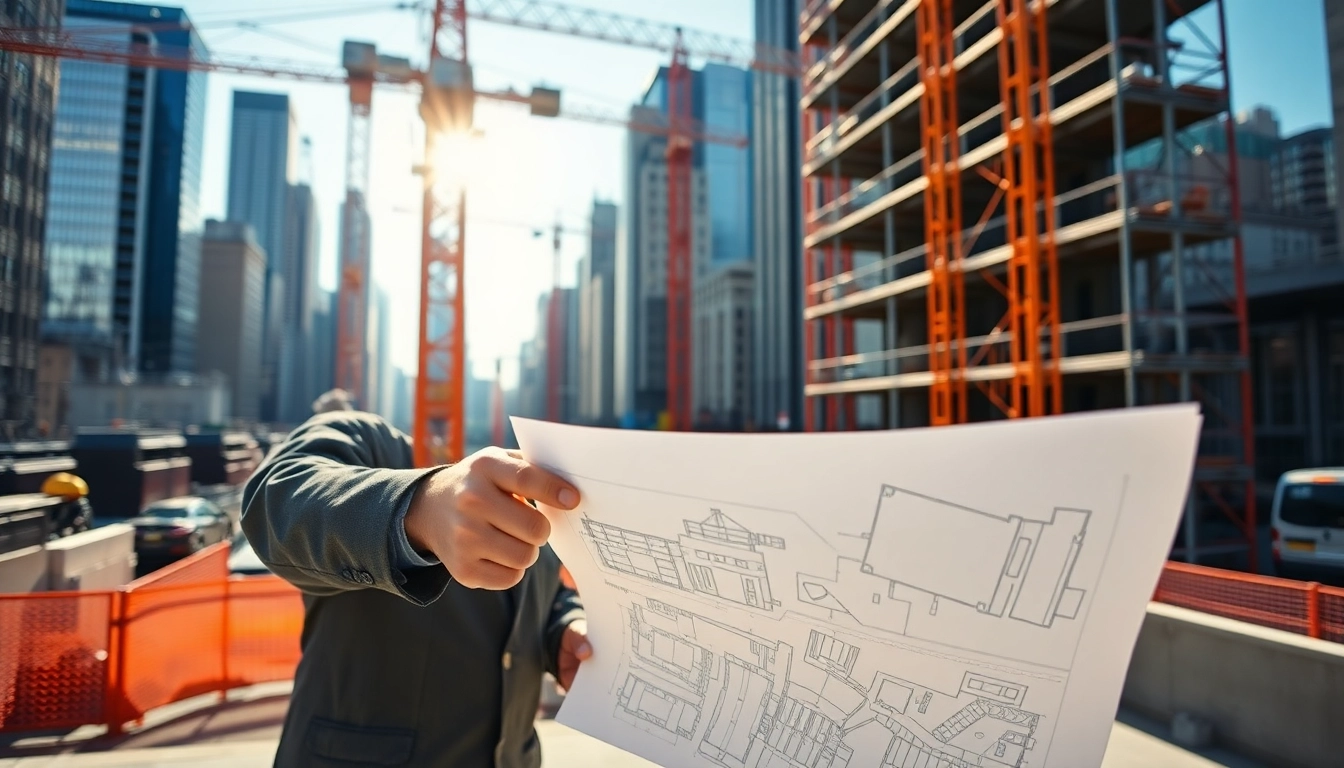
Understanding the Role of a New York City Construction Manager
The construction industry in New York City is a unique environment that requires professionals who can navigate complex regulations, manage diverse teams, and adapt to the city's distinctive challenges. A New York City Construction Manager plays a pivotal role in orchestrating these multifaceted projects, ensuring they are delivered on time and within budget while also meeting the high expectations of stakeholders. This article delves into the responsibilities, skills, challenges, and evolving practices that define this crucial occupation.
Defining Key Responsibilities
A New York City Construction Manager's responsibilities can be broadly categorized into planning, execution, and oversight. Each category encompasses a range of tasks that are critical to the success of construction projects.
Project Planning
Initial project planning is essential. Construction Managers are tasked with developing project scopes, establishing budgets, and creating detailed timelines with milestones. They must also conduct feasibility studies, risk assessments, and identify necessary resources, including labor, materials, and permits.
Execution and Coordination
During execution, Construction Managers coordinate various teams, including architects, contractors, and subcontractors. They ensure that all parties adhere to the established timelines and budgets, while continuously communicating progress to stakeholders. Effective communication is crucial, as it helps mitigate conflicts and aligns the project's vision with its execution.
Quality Control and Safety Compliance
Quality control is integral to a Construction Manager's role. They implement systems to monitor work quality and ensure compliance with local building codes, safety regulations, and environmental laws. Regular site inspections and safety audits are essential to prevent accidents and address issues proactively.
Essential Skills and Qualifications
To excel as a New York City Construction Manager, individuals should possess a blend of technical and interpersonal skills alongside formal education qualifications.
Education and Certifications
A bachelor's degree in construction management, civil engineering, or a related field is typically required. Additional certifications, such as Project Management Professional (PMP) or Certified Construction Manager (CCM), can enhance a candidate’s credibility and job prospects.
Technical Skills
A solid understanding of construction processes, materials, and methodologies is imperative. Familiarity with project management software and tools is essential for tracking progress and managing budgets effectively. Knowledge of building codes, construction laws, and safety regulations specific to New York City also plays a critical role in ensuring project compliance.
Interpersonal Skills
Strong leadership, negotiation, and conflict resolution skills are necessary for managing diverse teams and stakeholders. A Construction Manager must be adept at fostering teamwork, motivating staff, and managing expectations among all project participants.
The Importance of Location-Specific Knowledge
New York City's construction landscape is unlike any other. Knowledge of local regulations, zoning laws, and community standards is crucial for successful project management. This includes understanding the nuances of union requirements, labor laws, and environmental regulations specific to the area.
Furthermore, familiarity with the city's geography and logistics is essential. Heavy traffic, limited space, and the challenges of urban construction require innovative solutions for project execution. A Construction Manager's ability to navigate these elements can significantly impact a project's success.
Challenges Faced by New York City Construction Managers
Despite the exciting opportunities in New York City's vibrant construction sector, Construction Managers encounter several challenges that can complicate project delivery.
Navigating Regulatory Requirements
One of the most significant challenges is the complex regulatory environment. New York City has a myriad of regulations that Construction Managers must navigate, including zoning laws, environmental regulations, and construction codes. Compliance with these regulations is not only mandatory but can also influence project timelines and costs. Understanding the permitting process and maintaining open lines of communication with regulatory agencies is vital for efficient project management.
Managing Diverse Workforce Dynamics
New York's construction workforce is diverse, comprising individuals from various backgrounds, cultures, and skill levels. Managing this diversity requires a nuanced approach to leadership and communication. Construction Managers must foster an inclusive work environment that respects individual differences while effectively coordinating team efforts. This may involve providing training opportunities or implementing mentorship programs to bridge skill gaps.
Adapting to Urban Construction Constraints
Urban construction presents specific physical constraints, such as limited space for staging and heavy machinery. Construction Managers must devise creative solutions to overcome these challenges, often involving logistical planning that accounts for delivery schedules, noise restrictions, and minimal disruption to surrounding communities. Innovative planning combined with effective communication can help mitigate issues that may arise during project execution.
Best Practices for Effective Project Management
Implementing best practices in project management can significantly enhance a New York City Construction Manager's effectiveness and the success of their projects.
Strategic Planning and Budgeting Techniques
Strategic planning starts with defining clear objectives and deliverables. Construction Managers should employ techniques such as Work Breakdown Structure (WBS) to map out project tasks and schedules comprehensively. Effective budgeting involves regularly monitoring expenses against forecasts and being prepared to reevaluate spending as necessary to adapt to changes during the project lifecycle.
Utilizing Technology in Construction Management
Integrating technology into construction management can provide significant benefits. Tools such as Building Information Modeling (BIM) facilitate better project visualization and coordination amongst teams. Mobile applications for on-site management enable instant communication and documentation, allowing for real-time updates on project developments. Embracing technology streamlines processes and enhances overall efficiency.
Monitoring Progress and Ensuring Quality Control
Regular monitoring of project progress is essential for maintaining timelines and quality standards. Construction Managers should establish key performance indicators (KPIs) to track various aspects of the project. Quality control processes, including systematic inspections, help identify issues before they escalate, ensuring the final output meets or exceeds set expectations.
Future Trends in Construction Management in New York City
The construction industry is evolving, driven by technological advancements and shifts in societal expectations. Awareness of these trends is critical for Construction Managers to stay competitive and relevant in the field.
Green Building Initiatives
Sustainability is becoming increasingly essential in construction practices. Green building initiatives, such as LEED certification, are gaining traction as cities move towards reducing their environmental footprint. New York City Construction Managers need to incorporate sustainable materials and practices into their projects, focusing on energy efficiency, reduced waste, and environmentally friendly site management.
Impact of Smart Technology on Construction
The integration of smart technology is revolutionizing the construction landscape. IoT devices, for instance, can enhance safety monitoring and asset management. Additionally, data analytics can inform decision-making processes, from optimizing resource allocation to predicting potential construction delays. Staying abreast of these technological advancements allows Construction Managers to leverage them for project enhancements.
Preparing for Post-Pandemic Construction Challenges
The COVID-19 pandemic has altered many aspects of construction management, highlighting the need for adaptability. Ongoing health and safety concerns dictate new procedures in labor management and on-site operations. Construction Managers must prepare for potential future disruptions by developing flexible project plans and ensuring compliance with health regulations to protect their teams and stakeholders.
Case Studies: Successful New York City Construction Management Practices
Exploring real-life case studies can provide valuable insights into effective construction management practices specific to New York City.
Examining Notable Projects
Notable projects in New York City, such as the Hudson Yards redevelopment, showcase the importance of strategic management. Projects of such magnitude require the collaboration of multiple teams, adherence to strict safety regulations, and innovative planning to accommodate urban challenges. Analyzing these projects can yield lessons in stakeholder engagement, resource management, and adaptation to unforeseen obstacles.
Lessons Learned from Successful Managers
Successful Construction Managers often attribute their effectiveness to proactive communication, thorough training, and community engagement. Documenting their best practices can serve as a roadmap for aspiring managers to replicate success in their projects.
Innovative Approaches to Problem Solving
Construction Managers who think outside the box often find innovative solutions to unique challenges. For instance, the use of modular construction methods can expedite project timelines, while investing in workforce development can enhance skillsets and foster a more capable team. Encouraging a culture of innovation can lead to more efficient processes and better outcomes on future projects.