Understanding Railroad Maintenance
Maintaining the integrity and safety of railroads is a critical undertaking that ensures smooth operations for both freight and passenger services. The concept of Railroad Maintenance encompasses various activities, strategies, and best practices employed by railway operators to uphold infrastructure standards, safety protocols, and operational efficiency. This article aims to delve deeply into the nuances of railroad maintenance, exploring its significance, methodologies, challenges, best practices, and future prospects.
What is Railroad Maintenance?
Railroad maintenance generally refers to the entire process of maintaining, constructing, and improving rail infrastructure. This includes, but is not limited to, tracks, ballast, signals, and other essential components that ensure safe and efficient railway operations. It encompasses routine maintenance practices designed to prevent issues, as well as corrective actions taken when problems occur, to ensure the integrity of the rail system.
Importance of Railroad Maintenance
The significance of railroad maintenance cannot be overstated. Well-maintained railroads contribute to safer travel for passengers and cargo, thus allowing economic benefits to flow freely through a nation. Proper maintenance helps in reducing operational costs over time by preventing larger issues that can arise from neglect. Moreover, it refines the longevity of the railroad infrastructure and ensures compliance with legal safety standards, thereby protecting the interests of operators, employees, and the public alike.
Key Components of Railroad Maintenance
Railroad maintenance is an umbrella term that encompasses several critical components:
- Track Maintenance: This includes the regular inspection, repair, and replacement of tracks to prevent derailments and other accidents.
- Ballast Maintenance: Ballast is vital for ensuring stability in the tracks and needs to be inspected and rebuilt as necessary.
- Signal and Communication Systems: Regular checks and updates of signals and communication systems are essential for safety and operational efficiency.
- Turning and Storage Yards: Maintenance of these facilities is vital to manage train operations effectively.
Types of Railroad Maintenance
Preventive Railroad Maintenance
Preventive maintenance entails actions taken to maintain and prolong the lifespan of equipment and structures before failures occur. It typically incorporates regular inspections, routine servicing, and minor repairs designed to avoid the onset of larger, more costly issues. Scheduling preventive maintenance is crucial as it helps in identifying wear and tear before problems escalate, leading to safer operations.
Corrective Railroad Maintenance
Corrective maintenance is executed in response to identified issues or failures. It involves promptly addressing problems such as track defects or equipment malfunctions to restore functionality and safety. The goal is to minimize downtime and ensure operations return to normal as quickly as possible, thereby maintaining an active and responsive rail service.
Predictive Railroad Maintenance
Predictive maintenance employs advanced technology to assess the condition of rail infrastructure and predict when maintenance should be performed. Utilizing data analytics, acoustic monitoring, and sensors can help track the health of railway assets. By analyzing patterns and anomalies, railroad operators can preemptively address potential failures, optimizing both time and costs associated with railroad maintenance.
Challenges in Railroad Maintenance
Common Issues Faced During Maintenance
Railroad maintenance is fraught with challenges. One common issue is the unpredictability of weather conditions, which can influence both maintenance schedules and the integrity of infrastructure. Additionally, aging infrastructure can lead to a backlog of maintenance projects, requiring careful prioritization and resource allocation.
Safety Concerns in Railroad Maintenance
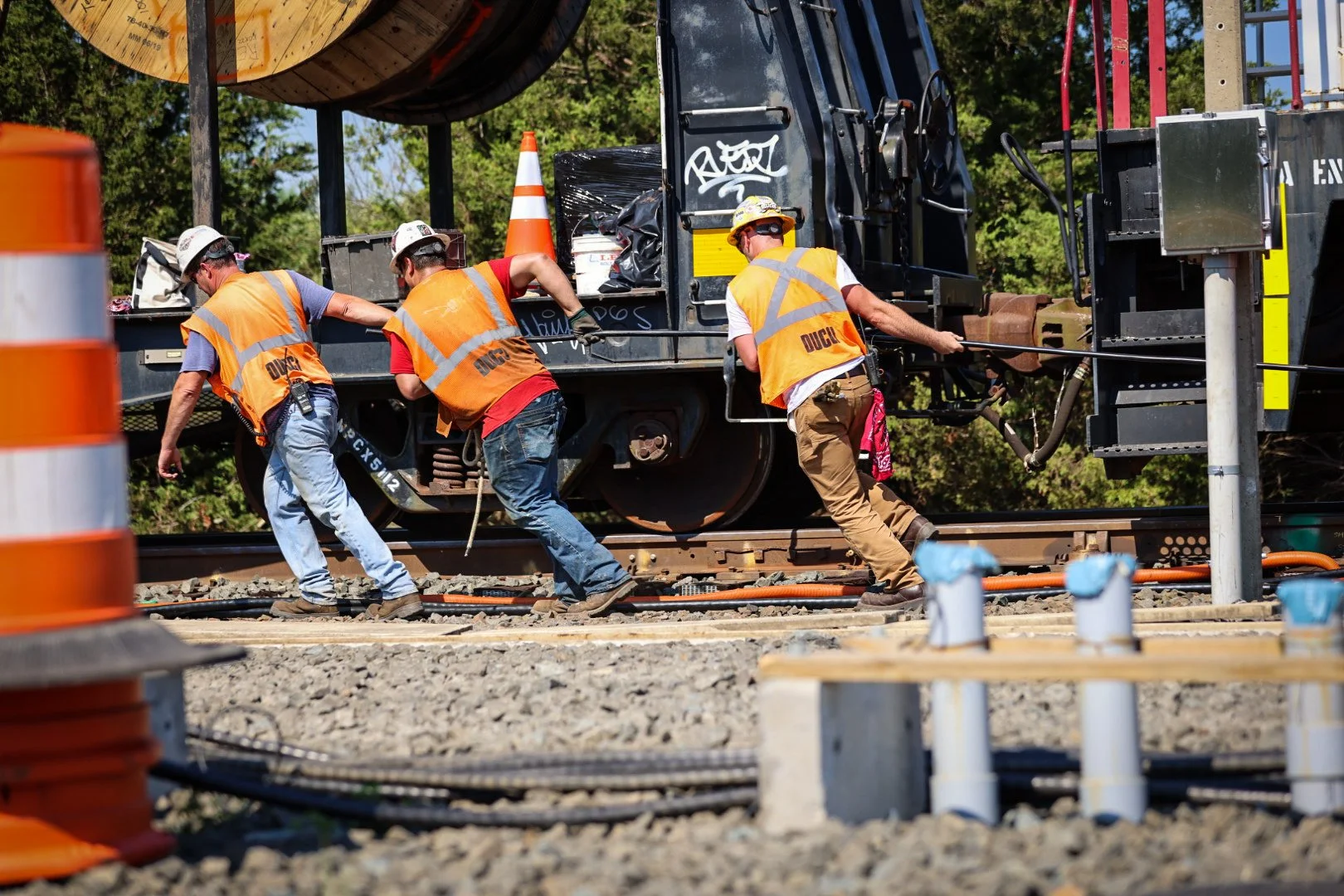
Safety is paramount in railroad maintenance. Workers face inherent risks, including working near live tracks and heavy machinery. Strict adherence to safety protocols, regular training, and the use of protective gear are essential to minimizing accidents and ensuring a culture of safety within the workforce.
Environmental Considerations in Maintenance Tasks
Environmental considerations must also be taken into account during railroad maintenance. Preventing contamination from maintenance materials, managing waste disposal responsibly, and ensuring that biodiversity is not negatively impacted by operations are all essential components of modern railroad maintenance initiatives. Moving towards eco-friendly materials and practices is also imperative for sustainable development in this sector.
Best Practices for Effective Railroad Maintenance
Regular Inspection Protocols
Establishing rigorous and regular inspection protocols is foundational for effective railroad maintenance. Utilizing checklists that cover all critical components assists teams in thoroughly evaluating the entire railroad infrastructure periodically. It is also beneficial to adopt a standardized approach to ensure consistency in inspections across different teams or regions.
Utilizing Advanced Maintenance Equipment
Employing advanced maintenance equipment can significantly enhance the effectiveness of maintenance operations. From high-technology rail inspection vehicles to automated track inspection systems, utilizing cutting-edge technology allows for precision assessments that human inspection may miss. This equipment aids in timely maintenance and enhances operational reliability.
Training and Certification for Maintenance Personnel
Investing in the continuous education of maintenance personnel is crucial. Training programs should encompass not only technical skills related to specific equipment and procedures but also safety protocols and environmental considerations. Certification can also play a key role in ensuring that personnel are updated with the latest industry standards, practices, and technologies.
Future of Railroad Maintenance
Technological Innovations in Railroad Maintenance
The future of railroad maintenance is heavily reliant on technological advancements. Innovations such as Artificial Intelligence (AI) and Internet of Things (IoT) are beginning to revolutionize how maintenance is performed. For example, AI can analyze vast data sets from sensors placed along the tracks to provide insights on potential failures long before they occur. This predictive insight leads to more proactive maintenance planning.
Promoting Sustainability in Railroad Operations
Sustainability will increasingly become an essential focus of railroad maintenance. Efforts to implement greener practices within maintenance processes—such as using biodegradable fluids or recycling materials—are set to gain prominence as corporate social responsibility becomes a greater priority across industries. Sustainability aligns with enhancing public image while protecting the environment.
The Role of Government Regulations in Shaping Maintenance
Government regulations play a vital role in shaping how railroad maintenance is conducted. Regulatory bodies set safety standards that comply with overall transportation policies. Responding to these regulations and ensuring compliance is fundamental for rail operators wishing to sustain operations and minimize liabilities.
Frequently Asked Questions
What is the primary goal of railroad maintenance?
The primary goal of railroad maintenance is to ensure the safety, efficiency, and reliability of rail operations through regular inspection, repair, and prevention of potential issues.
How often should railroad tracks be inspected?
Railroad tracks should typically be inspected bi-annually; however, frequency may vary based on usage, weather conditions, and track condition.
What are the most common maintenance activities for railroads?
Common maintenance activities include track inspections, ballast replenishment, signal checks, and rail replacement to ensure optimal safety and performance.
Why is preventive maintenance important?
Preventive maintenance is crucial as it helps to identify issues before they escalate, preventing costly repairs and ensuring rail safety and reliability.
What technologies are transforming railroad maintenance?
Technologies like AI, IoT, and advanced analytics are transforming railroad maintenance by providing predictive insights and enhancing operational efficiencies.