Understanding the Basics of Railroad Maintenance
What is Railroad Maintenance?
Railroad maintenance, often referred to as maintenance of way (MOW), encompasses all activities required to ensure the safety, functionality, and longevity of railway infrastructure. This includes the upkeep of track beds, rail ties, tracks, and associated structures such as bridges and signals. Regular Railroad Maintenance is essential to prevent accidents, minimize disruption, and provide safe and efficient service for passengers and freight trains alike.
The Importance of Consistent Maintenance
Consistent railroad maintenance is critical for several reasons: safety, efficiency, and cost management. Poorly maintained tracks can lead to accidents, resulting in injuries and damage to property. Moreover, disruptions from maintenance can delay service and freight schedules, impacting the economy. Proactive maintenance not only saves costs on major repairs but also extends the lifespan of the infrastructure, thereby ensuring the smooth operation of one of the most vital parts of the transportation network.
Key Components of Railroad Infrastructure
The primary components of railroad infrastructure that require regular maintenance include:
- Tracks: Continuous inspection and repair of tracks prevent issues such as derailments.
- Ballast: This material stabilizes the track structure and requires regular replenishment to maintain the right conditions.
- Rail Ties: Wooden or concrete ties support the rails and must be replaced periodically.
- Signaling Systems: Proper functionality of signaling ensures safe operation of trains by managing traffic.
Types of Railroad Maintenance Services
Preventive Maintenance vs. Corrective Maintenance
Railroad maintenance can be broadly categorized into two types: preventive and corrective. Preventive maintenance involves regular inspections and scheduled repairs intended to prevent failures before they occur. This might include tasks like cleaning, lubricating, and replacing worn-out components. Corrective maintenance, on the other hand, is often reactive, focused on restoring functionality following a failure or problem detection. While both are essential, strategic prioritization of preventive measures can lead to notable reductions in costs and downtime.
Safety Inspections and Protocols
Stringent safety inspections are a cornerstone of effective railroad maintenance. These inspections check for signs of stress and wear, ensuring compliance with safety regulations. Inspections should include examining the rails, checking gauge measurements, assessing switch operations, and monitoring ballast integrity. Protocols should be established for both routine inspections and post-incident evaluations to enhance safety and effectiveness continuously.
Emergency Maintenance Procedures
Unanticipated events like extreme weather, accidents, or infrastructure failures can necessitate emergency maintenance. Rapid response teams must be well-trained and equipped to assess the situation. Emergency procedures often involve clear communication protocols, coordination with emergency services, and rapid mobilization of repair resources. Proper planning for such contingencies can significantly mitigate damage and restore service promptly.
Innovative Technologies in Railroad Maintenance
Automation in Maintenance Processes
Automation has emerged as a game-changer in railroad maintenance, streamlining workflows and enhancing safety. Automated inspection systems can detect rail defects faster than human inspections. Robotic technologies can assist in performing routine maintenance tasks, thereby reducing manual labor and minimizing human error. The integration of automated systems helps increase efficiency and effectiveness in upkeep activities.
Data Analytics for Predictive Maintenance
Data analytics is fundamentally transforming the MOW landscape. Sensors installed on trains and tracks collect vast amounts of data, which can be analyzed to predict maintenance needs before issues escalate. Predictive maintenance leverages machine learning algorithms to identify patterns and issues, allowing for targeted interventions that enhance operational reliability. This proactive approach is a significant cost-saver and improves overall safety.
Role of Drones in Infrastructure Inspections
Drones have become invaluable in railroad inspections due to their ability to efficiently cover large areas. Equipped with high-resolution cameras and sensors, drones can provide a detailed overview of infrastructure conditions. They facilitate visual inspections of hard-to-reach areas, significantly reducing the time and safety risks associated with manual inspections. The data collected can be integrated into maintenance planning and scheduling, enhancing decision-making efficiency.
Best Practices for Effective Railroad Maintenance
Developing a Comprehensive Maintenance Plan
A comprehensive maintenance plan is critical for managing resources effectively and ensuring that all maintenance activities are carried out systematically. This plan should outline maintenance schedules, resource allocations, safety protocols, and performance metrics. Engaging all stakeholders in the planning process ensures that they understand their roles and responsibilities, leading to a collaborative effort focused on safety and reliability.
Training and Certification for Maintenance Personnel
Proper training and certification programs for maintenance personnel ensure that staff members are qualified to handle their responsibilities effectively. Training should cover technical skills, safety protocols, and emergency response strategies. Regular refreshers and upskilling sessions can help personnel stay abreast of the latest technologies and best practices in railroad maintenance, ensuring the workforce is competent and confident in its abilities.
Evaluating Maintenance Effectiveness
To ensure maintenance efforts are yielding desired results, it is essential to evaluate their effectiveness regularly. Key performance indicators (KPIs) such as work order completion times, incident rates, and overall system reliability provide insights into how well maintenance practices are functioning. Gathering and analyzing feedback will allow for continuous improvement, helping to refine maintenance strategies over time for optimal performance.
Future Trends in Railroad Maintenance
Emerging Technologies Shaping Maintenance Strategies
As technology continues to advance, we can expect to see further innovations that will enhance railroad maintenance. Developments in artificial intelligence (AI) and machine learning will enable more sophisticated predictive maintenance models. The Internet of Things (IoT) will connect various components within the rail infrastructure, allowing for real-time monitoring and data collection. These trends promise to make maintenance more proactive, data-driven, and effective.
Environmental Considerations in Maintenance
Environmental sustainability has become a pressing concern in modern railroad operations. Maintenance practices must consider ecological impact, such as noise pollution and habitat disruption. Adopting eco-friendly materials and methods can minimize negative influences on the environment. Investing in green technologies, like energy-efficient equipment and pollution-reducing measures, not only meets regulatory demands but also enhances public perception of the rail industry.
Long-term Infrastructure Sustainability Practices
For long-term sustainability, railroad maintenance should focus on balancing operational demands with resource conservation. This means utilizing durable materials for repairs, implementing recycling practices, and planning for future infrastructure needs to adapt to changing demand. By prioritizing sustainable practices, the railroad sector can not only improve operational efficiency but also contribute positively to the community and environment.
Five Common FAQs About Railroad Maintenance
What is the purpose of railroad maintenance?
The purpose of railroad maintenance is to ensure safety, prevent accidents, and prolong the lifespan of railway infrastructure by managing wear and tear through regular inspections and repairs.
How often should railroad tracks be inspected?
Railroad tracks should be inspected regularly, often at least once a week, depending on traffic volume, environmental factors, and specific regulatory requirements.
What are some common types of railroad maintenance?
Common types of railroad maintenance include preventive maintenance, corrective maintenance, safety inspections, and emergency maintenance in response to unexpected issues.
What tools are used in railroad maintenance?
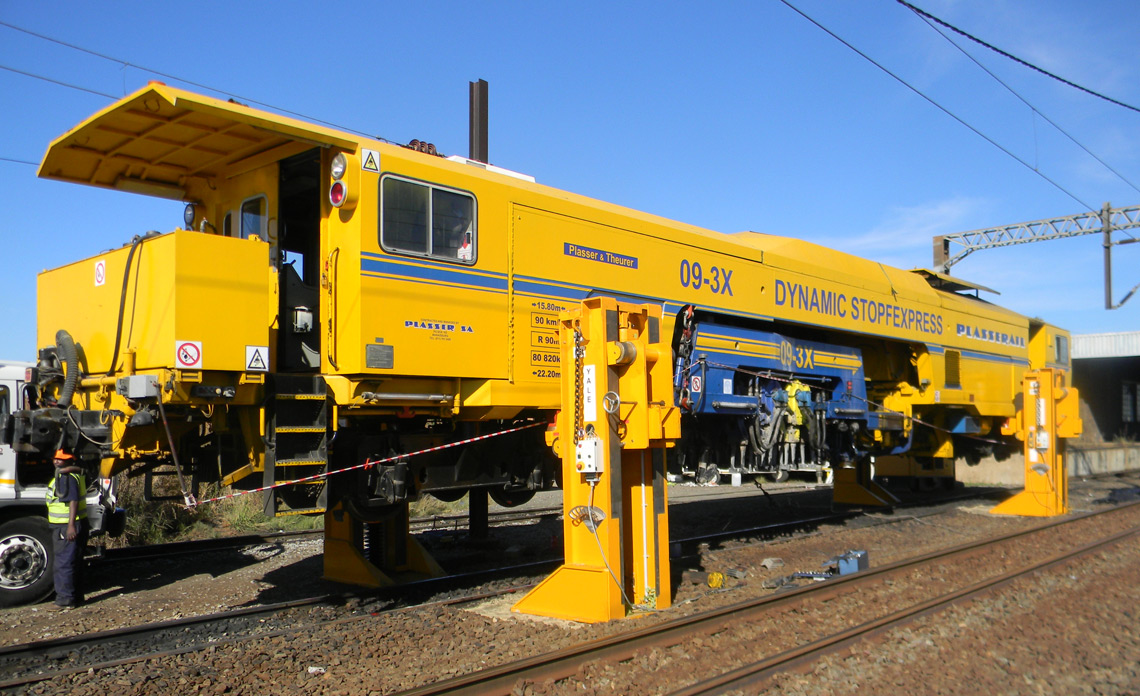
Tools used in railroad maintenance include rail grinders, tamping machines, track inspection vehicles, and various hand tools for repairs and inspections.
How can technology improve railroad maintenance?
Technology can improve railroad maintenance by enabling predictive analytics, automating inspections, and integrating IoT for real-time monitoring, leading to more efficient and effective maintenance practices.