Understanding the Basics of Gardening
What is Gardening?
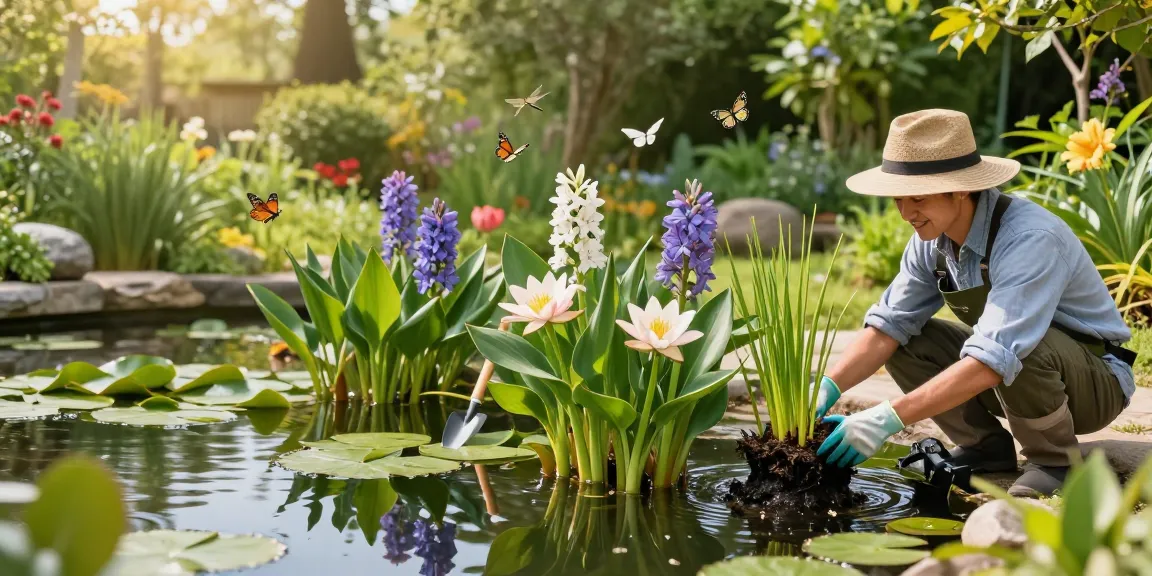
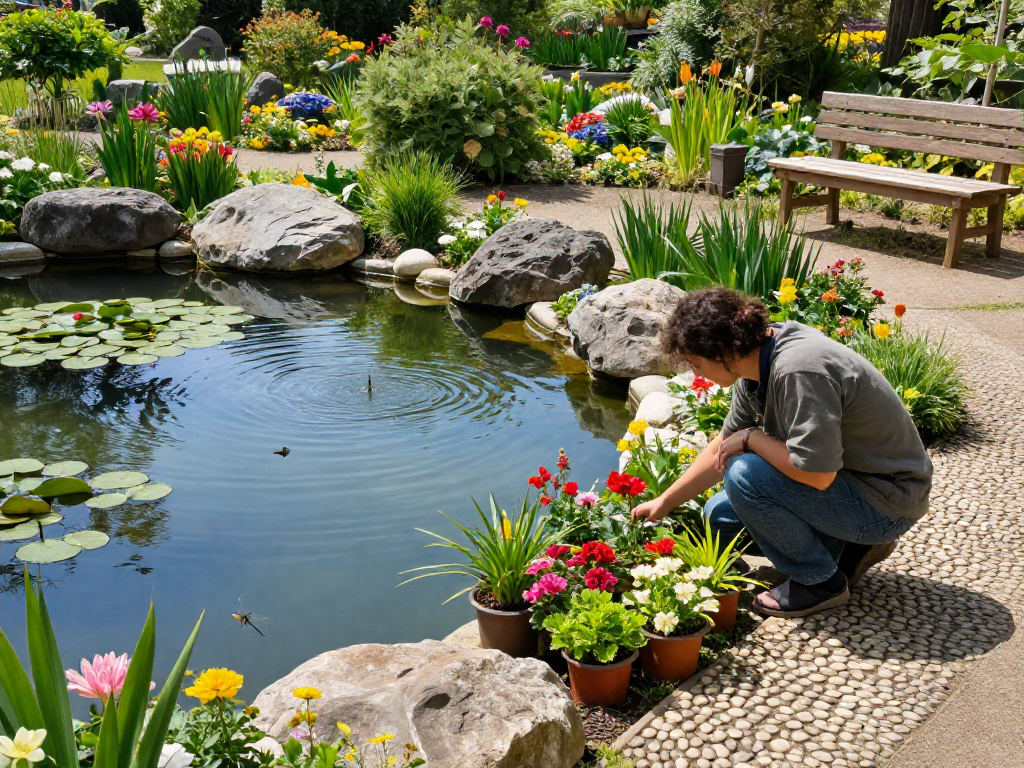
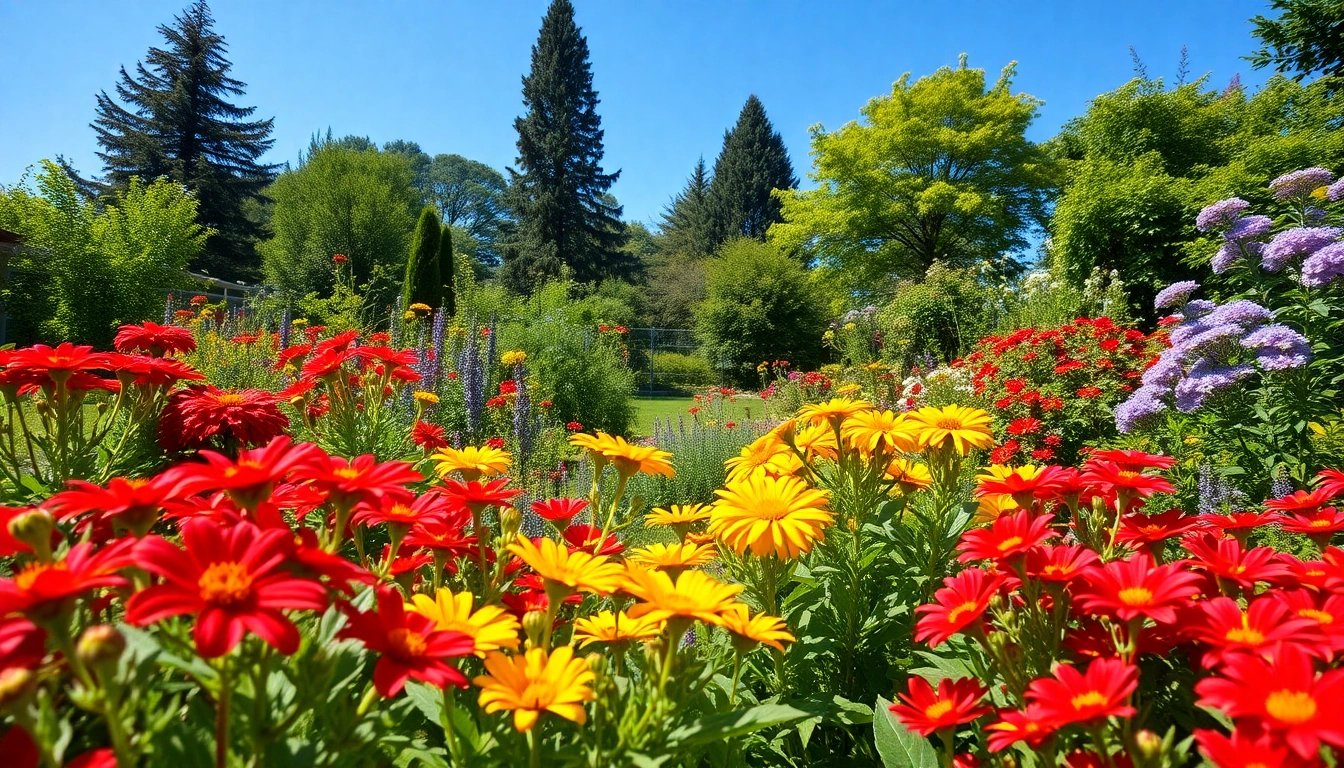
Gardening is not merely a hobby; it is a process and art form that involves cultivating and caring for plants in various spaces, whether they be in the ground, raised beds, or containers. It encompasses the growth of vegetables, fruits, flowers, and herbs. Gardening allows individuals to express themselves creatively while providing a tangible connection to nature. For many, it is a form of therapy, a way to unwind and connect with one's surroundings. If you’re looking to dive into this enriching endeavor, understanding the fundamentals of Gardening is the first step.
The Importance of Soil Quality in Gardening
Soil quality forms the foundation of a thriving garden. Healthy soil is rich in nutrients, designating essential minerals and organic matter necessary for plant growth. It’s often said that the secret to successful gardening lies in the soil. Optimizing your soil can involve a variety of practices, from simple composting to rigorous soil testing, ensuring it meets the needs of the plants you choose to grow. Key components of high-quality soil include:
- Nutrient content: Ensuring the soil contains adequate nitrogen, phosphorus, and potassium.
- pH level: Most plants thrive in a slightly acidic to neutral pH (6.0 - 7.0).
- Organic matter: Adding compost or organic mulch enhances soil structure and fertility.
Understanding the specific needs of your garden soil can lead to better plant health, vibrant growth, and high yields.
Choosing the Right Plants for Your Garden
One of the joys of gardening is selecting the plants that will inhabit your space. The success of your garden significantly relies on choosing the right plants considering factors such as climate, soil type, and available space. Here are some tips to guide your selection:
- Climate Compatibility: Select plants suited to your hardiness zone. These plants will thrive in your local climate and weather conditions.
- Growth Space: Consider the mature size of the plants. Overcrowding can lead to competition for resources and decreased health.
- Complementary Hydration Needs: Group plants with similar watering needs to streamline your maintenance routine.
By thoughtfully selecting your plants, you set the groundwork for a beautiful and thriving garden.
Creating a Successful Garden Plan
Setting Goals and Expectations for Your Gardening Journey
Establishing clear goals will strengthen your gardening experience and outcome. Do you want to grow flowers for beauty, herbs for culinary use, or vegetables for your table? Here are some considerations for setting effective gardening goals:
- Be Specific: Instead of a general goal of 'growing plants,' identify specific plants or types you aspire to cultivate.
- Measurable Objectives: Define how much produce you would like to harvest or how much garden space you will dedicate to flowers.
- Set Timelines: Aim to reach your goals within a particular timeframe, whether that’s gardening seasonally or year-round.
By setting clear expectations, you’ll create a focused and fulfilling gardening journey.
Basic Gardening Tools Every Enthusiast Should Have
Having the right tools can significantly enhance your gardening experience. While every gardener may have unique preferences, certain essential tools typically form the backbone of effective gardening:
- Garden Spade: Ideal for digging and turning soil.
- Pruning Shears: Essential for maintaining plant health through pruning.
- Rake: Useful for leveling soil and removing debris.
- Watering Can or Hose: Necessary for keeping your garden hydrated.
- Gloves: Protect your hands while working with soil and plants.
Investing in quality gardening tools can make your gardening more enjoyable and productive.
Designing Your Garden Layout for Maximum Efficiency
A well-thought-out garden layout can enhance both aesthetic appeal and functionality. Effective design involves several factors, ensuring plants have space to grow while still being accessible for maintenance and harvesting. Here are tips for achieving an efficient garden layout:
- Design for Sunlight: Map out your garden considering where sunlight falls throughout the day, placing sun-loving plants in the brightest spots.
- Utilize Vertical Space: Incorporate climbing plants and trellises to make the most of your area.
- Plan for Accessibility: Ensure paths are clear to allow easy movement throughout your garden.
Taking time to plan your layout can save time and promote plant health in the long run.
Nurturing Your Plants: Best Practices
Watering Techniques for Healthier Gardening
Watering is a critical component of gardening, but it must be practiced correctly to avoid over- or under-watering. Here are effective watering techniques:
- Deep Watering: Water deeply and infrequently to promote strong root growth.
- Timing Matters: Water in the morning or evening to reduce evaporation.
- Catch Rainwater: Utilize rain barrels to water your garden sustainably.
By implementing these techniques, you'll encourage robust plant health and conserve water resources.
Importance of Sunlight and Its Impact on Growth
The sun is a fundamental resource for photosynthesis, making it crucial for plant health. Different plants have varying sunlight requirements—some thrive in full sun, while others prefer partial or even full shade. Strategies to ensure your plants receive adequate sunlight include:
- Observe Sun Patterns: Analyze sunlight exposure and note areas for full sun, partial sun, and shade.
- Consider Plant Placement: Confirm that taller plants do not obstruct sunlight from shorter plants.
By understanding the sun’s role and how it affects your plants, you can optimize growth and flowering.
Managing Pests: Organic Methods for Gardening
Managing pests organically means protecting your plants without harmful chemicals. Here are effective organic pest control methods:
- Handpicking: Regularly inspect your plants, removing any noticeable pests by hand.
- Natural Predators: Encourage beneficial insects like ladybugs and lacewings to feast on harmful pests.
- Neem Oil: Use this natural insecticide to deter pests while being gentle on plants.
By adopting an organic approach, you'll help maintain the ecosystem in your garden while keeping plant health intact.
Advanced Gardening Techniques for Enthusiasts
Companion Planting: Enhancing Your Gardening Success
Companion planting is the practice of strategically placing plants together to enhance growth and repel pests. This can lead to a healthier garden ecosystem and more robust yields. Here are popular companion pairings:
- Tomatoes and Basil: Basil can improve the flavor of tomatoes while deterring pests.
- Carrots and Onions: These two can help each other grow by repelling each other’s pests.
- Corn, Beans, and Squash: Known as the Three Sisters, this trio works synergistically with nutrient sharing.
Utilizing companion planting not only maximizes space but can elevate your entire garden’s productivity and health.
Utilizing Mulch for Soil Health in Gardening
Mulching is a beneficial practice that involves covering the soil surface with organic or inorganic materials. It provides a multitude of benefits to plants and soil health:
- Moisture Retention: Mulch conserves soil moisture by reducing evaporation rates.
- Weed Suppression: A thick layer of mulch can prevent weed growth, reducing competition for your plants.
- Soil Temperature Regulation: Mulch helps keep the soil cool in the summer and warm in the winter.
Incorporating mulch into your gardening practice can yield considerable improvements in plant health and soil vitality.
Season Extension Techniques for Year-Round Gardening
Many gardeners dream of growing year-round, even in colder climates. Season extension techniques can help achieve this goal:
- Cold Frames: Utilize cold frames to shield plants from harsh weather while allowing sunlight in.
- Row Covers: Lightweight row covers can protect delicate crops from frost while enhancing warmth.
- High Tunnels: Consider investing in high tunnels or greenhouses to create controlled growing environments.
By adopting these techniques, you can enjoy a flourishing garden regardless of the season.
Measuring Your Gardening Success
Evaluating Plant Growth and Health
To assess the effectiveness of your gardening efforts, monitoring plant growth and health is crucial. Here are strategies for evaluation:
- Regular Checks: Monitor plants frequently for signs of growth, health issues, or pests.
- Growth Metrics: Track plant height, number of leaves, or yields over time to evaluate progress.
By maintaining regular evaluations, you can quickly identify areas needing improvement or adjustment.
Harvesting Tips for Optimal Yield in Gardening
Harvesting is the rewarding finale to your gardening efforts. To maximize the yield during harvest:
- Timing is Key: Harvest at the right moment when fruits or vegetables have reached their peak flavor.
- Use Proper Tools: Employ sharp and sterilized tools to avoid damaging the plants during harvest.
- Store Properly: Know the best methods to store your harvest to maintain freshness.
Effective harvesting methods will not only enhance your enjoyment but also ensure your efforts bear plenty of fruit.
Adapting to Changing Conditions: Continuous Learning in Gardening
Gardening is a dynamic endeavor influenced by ever-changing environmental conditions. To thrive, gardeners must be adaptable and persistent. Some methods of continuous learning include:
- Stay Informed: Read books, follow blogs, and join gardening communities to keep up-to-date with best practices.
- Experiment and Adapt: Try new plants or methods based on the feedback from your garden to improve your skills continuously.
Ultimately, the most successful gardeners are those who embrace learning and change, enhancing their gardening experiences along the way.