Understanding Gardening Basics
Gardening is an enriching activity that combines creativity, science, and patience. Whether you are a novice or an experienced gardener, understanding the fundamentals is essential for creating a thriving garden. This guide will delve into the essential elements of Gardening, from soil quality to choosing the right plants, ensuring your gardening journey is both enjoyable and productive.
The Importance of Soil Quality
The foundation of any healthy garden is quality soil. Soil acts as a reservoir for essential nutrients, water, and air that plants need for optimal growth. Good soil structure promotes root development and allows for proper drainage. Here are the key factors to consider:
- Soil Composition: Healthy soil is composed of minerals, organic matter, air, and water. A balance of these elements facilitates plant health.
- Soil pH: The acidity or alkalinity of your soil affects nutrient availability. Most plants thrive in pH levels between 6.0 to 7.0.
- Organic Matter: Adding compost or well-rotted manure enhances soil structure and provides a slow release of nutrients.
Conducting a soil test can provide valuable insights into its nutrient composition and pH, guiding you in amending it appropriately for your plants.
Choosing the Right Plants for Your Climate
Understanding your climate zone is vital for selecting suitable plants. Various regions have unique weather patterns, temperature fluctuations, and rainfall amounts that affect plant growth. Here’s how to approach plant selection:
- Know Your Zone: Use the USDA Plant Hardiness Zone Map to determine which plants are well-suited for your area.
- Native Plants: Consider incorporating native plants into your garden. These species are adapted to your climate, require less maintenance, and are beneficial for local wildlife.
- Seasonal Selection: Choose plants that thrive in respective seasons. For instance, consider cool-weather crops like lettuce and peas in spring and fall, while opting for heat-tolerant varieties like tomatoes during the summer.
Essential Tools for Every Gardener
A well-equipped gardener can efficiently manage their tasks. Here’s a breakdown of essential gardening tools that can enhance your gardening experience:
- Hand Tools: A trowel, pruners, and gloves are indispensable for planting and maintenance.
- Watering Equipment: Whether you opt for a traditional watering can or a modern irrigation system, ensuring your plants receive adequate moisture is crucial.
- Soil Test Kits: These inform you on soil health, enabling better nutrient management.
Planning Your Gardening Layout
Effective planning can significantly impact the success of your garden. Developing an efficient garden layout ensures optimal growth and makes maintenance easier.
Designing a Functional Garden Space
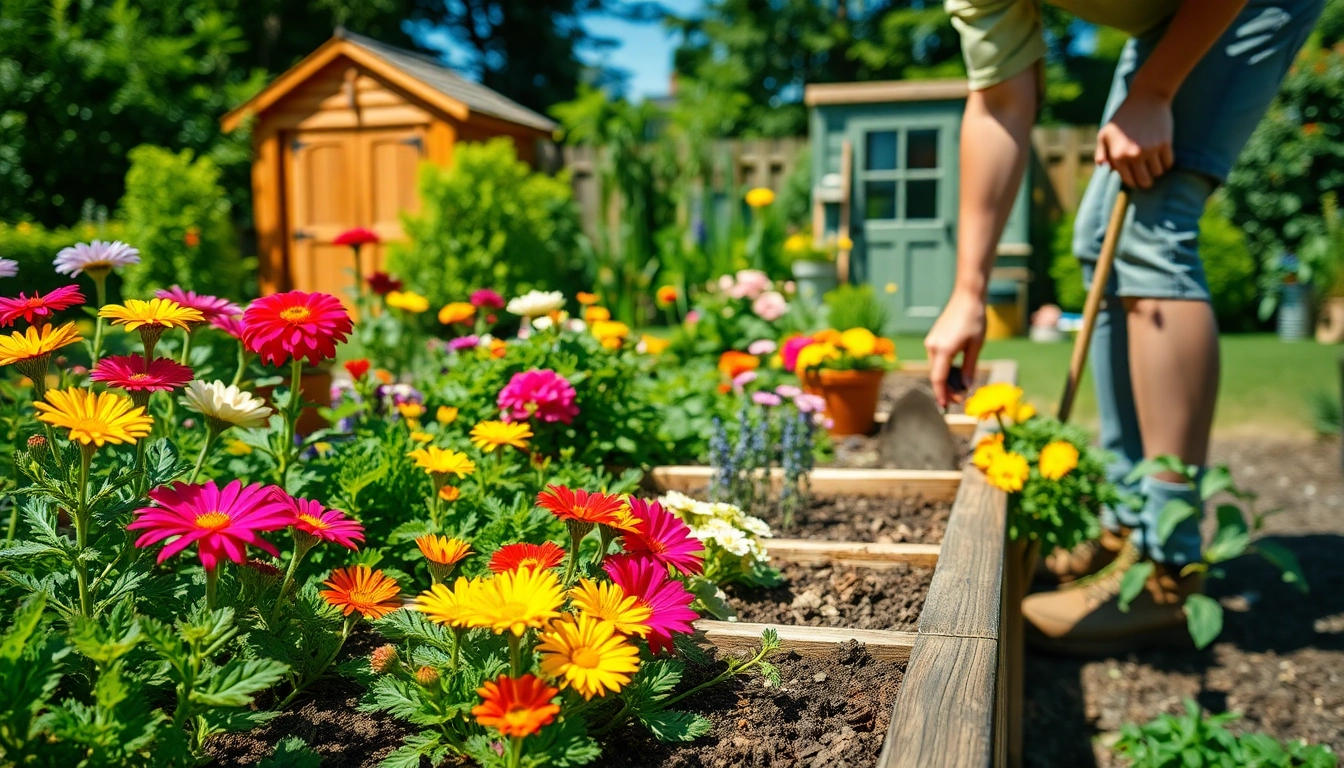
When it comes to garden design, you can choose between several styles—permaculture, traditional rows, or raised beds. Here are essential tips for structuring your space:
- Sunlight Exposure: Garden areas should receive at least 6-8 hours of sunlight daily. Map out locations that receive optimal light for your plants.
- Accessibility: Plan for pathways to allow easy access for watering, harvesting, and maintenance. Creating a practical layout can save time and effort.
- Group Similar Plants: Arrange plants according to their watering and sunlight needs to prevent overwatering or drying out.
Companion Planting for Pest Control
Companion planting is a gardening technique where certain plants are grown together to promote growth and deter pests. Here’s how to implement this practice:
- Natural Pest Deterrents: Certain plants, like marigolds, can repel pests such as nematodes and aphids.
- Enhancing Growth: Planting basil with tomatoes is a classic example where basil can enhance the growth and flavor of tomatoes.
- Increased Biodiversity: Mixing species can boost pollination, attract beneficial insects, and create a healthier ecosystem.
Seasonal Gardening Timeline
Gardening requires a timeline to optimize planting, maintenance, and harvesting. A seasonal gardening calendar can provide a structure for your activities:
- Spring: Initiate soil preparation and sow seeds for cool-season crops.
- Summer: Focus on maintenance tasks such as watering and weeding, and plant heat-loving varieties.
- Fall: Harvest mature crops and prepare the garden for winter by planting cover crops.
- Winter: Plan for the upcoming season, addressing soil health and equipment upkeep.
Tending to Your Garden Effectively
Once your garden is established, diligent care is necessary to ensure health and productivity. This section covers best practices for maintaining a flourishing garden.
Watering Techniques and Schedule
Water availability is crucial for plant health. Developing an effective watering strategy can result in robust plant growth. Key considerations include:
- Time of Day: Watering early in the morning helps minimize evaporation and allows foliage to dry before nightfall, reducing fungal diseases.
- Watering Methods: Drip irrigation systems can save water and deliver moisture directly to the roots, minimizing waste.
- Soil Moisture Monitoring: Regular checks using a moisture meter can help determine when and how much to water, preventing overwatering and drought stress.
Fertilizing for Optimal Growth
Fertilization provides essential nutrients that may be missing from the soil. Understanding the types and timings of fertilizer application can maximize plant health:
- Types of Fertilizers: Organic options, like compost or fish emulsion, promote healthy soil biology, while synthetic fertilizers provide quick nutrient availability.
- Application Timing: Plan fertilization schedules around plant growth cycles, targeting periods of active growth for maximum uptake.
- Understanding Labels: Learn to read fertilizer labels to understand the N-P-K value (Nitrogen-Phosphorus-Potassium), ensuring you’re providing balanced nutrition.
Identifying and Managing Pests
Effective pest management is crucial for a healthy garden. Understanding common pests and their lifecycles can enhance your gardening success:
- Regular Inspections: Regularly scanning plants can help catch infestations early before they become serious.
- Natural Solutions: Implementing biological controls such as introducing beneficial insects (e.g., ladybugs) or using neem oil can manage pests without harsh chemicals.
- Environmental Adjustments: Maintaining healthy soil and plant diversity can create a resilient garden ecosystem less susceptible to pest outbreaks.
Harvesting and Using Your Produce
Harvesting is the reward for your hard work and is often the most satisfying part of gardening. Knowing when and how to harvest can affect the flavor and quality of your produce.
When and How to Harvest Your Crops
Timing your harvest is essential to ensure peak flavor and quality. Here are some key points to consider:
- Visual Indicators: Learn to recognize visual cues that indicate readiness, such as firmness or color change.
- Harvesting Techniques: Use tools like pruning shears for clean cuts, minimizing damage to the plant and improving shelf life.
- Post-Harvest Care: Handle your produce carefully and wash thoroughly to remove any soil or pests before storage.
Preserving Vegetables for Longer Life
Proper preservation methods can extend the shelf life of your harvest, reducing waste and allowing you to enjoy your garden's bounty long after the season ends:
- Canning: This method involves sealing jars of food, which can be stored outside the fridge for long periods.
- Freezing: This is a quick way to preserve freshness. Blanching before freezing helps retain color and flavor.
- Dehydrating: Remove moisture from food to prevent spoilage. Dehydrated fruits and vegetables can be used in various recipes.
Creative Recipes Using Fresh Ingredients
Transforming your fresh produce into delicious meals is one of the greatest joys of gardening. Here are some ideas:
- Salads: Use a variety of greens, herbs, and vegetables for vibrant salads. Add a homemade dressing to elevate flavors.
- Preserved Jams and Sauces: Seasonal fruits can be boiled down into delightful jams or sauces, perfect for canning.
- Stir-Fries: Quickly cook a mix of garden vegetables with proteins for a nutritious, thriving dish.
Advanced Gardening Tips and Tricks
Once you have mastered the basics, consider these advanced techniques to take your gardening to the next level.
Building a Sustainable Garden
Creating a sustainable garden benefits both you and the environment. Here’s how to adopt sustainable practices:
- Composting: Create your own compost to improve soil health and reduce waste.
- Water Conservation: Implement rainwater collection systems to reduce water usage.
- Plant Diversity: Encourage biodiversity by planting a variety of species that support one another.
Vertical Gardening for Limited Spaces
Vertical gardening maximizes limited space effectively. Here’s how to start:
- Wall Gardens: Use wall-mounted planters or trellises for climbing plants.
- Containers: Stackable pots are an excellent solution for small areas or patios.
- Space Optimization: Ensure plants that require similar light and water conditions are grouped together.
Using Technology to Improve Garden Health
Utilizing technology can streamline gardening tasks and improve outcomes:
- Smart Irrigation Systems: These can adjust watering schedules based on weather conditions, saving water and enhancing plant health.
- Mobile Apps: Numerous apps are available for plant identification, pest control, and gardening advice that can guide your gardening decisions.
- Soil Sensors: Implementing soil moisture sensors provides real-time data, allowing tailored watering practices.
By incorporating these advanced techniques into your gardening practices, you can create an efficient, productive, and environmentally friendly garden. Whether you're growing vegetables, flowers, or herbs, the joy of seeing your garden flourish is unparalleled. Gardening is a journey that offers endless learning opportunities and rewards. Happy gardening!