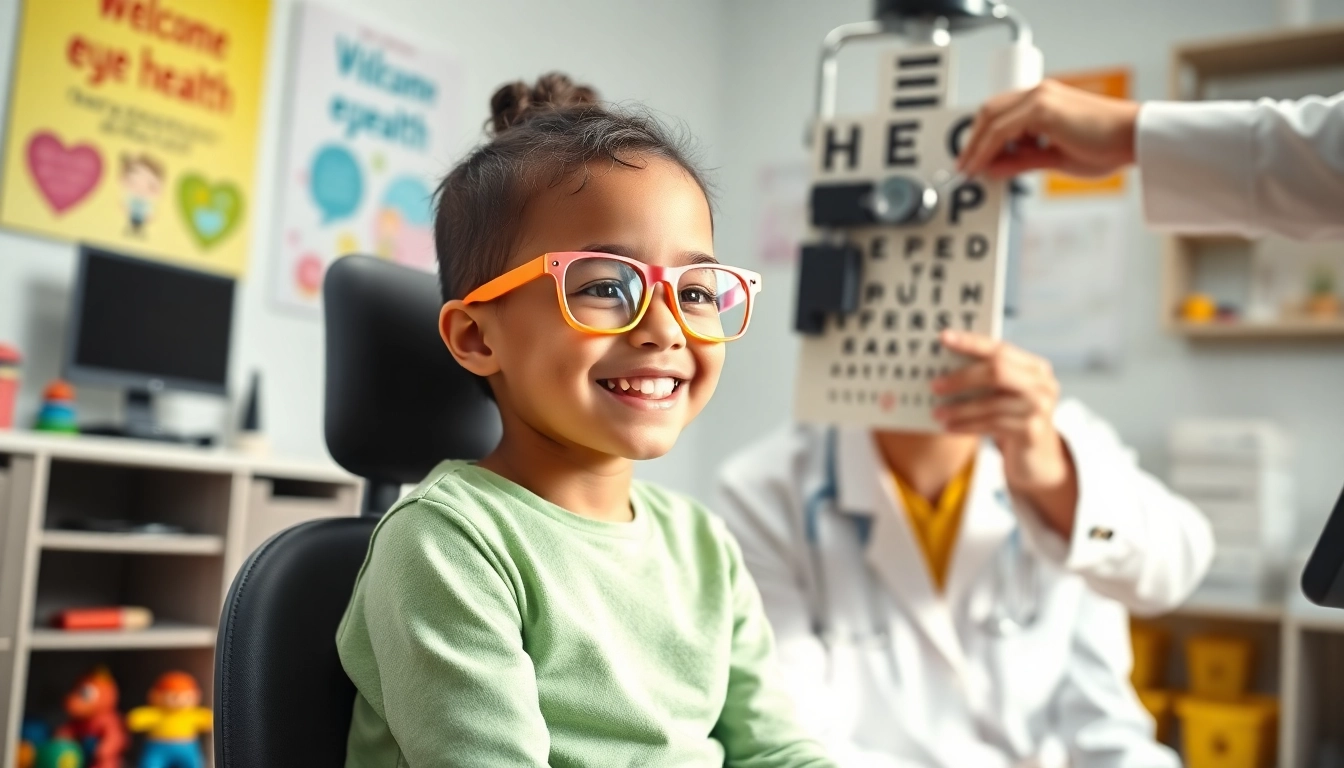
Understanding Our Children's Vision: A Critical Overview
Ensuring the best possible vision for children is a fundamental aspect of their overall health and development. Poor vision can significantly impact a child’s ability to learn, play, and interact with their environment. Recognizing this critical need, initiatives such as Our Children's Vision aim to address the pressing issues surrounding children's eye health by increasing awareness and accessibility to necessary services. This article delves into the significance of monitoring and improving children's vision, offering a comprehensive overview of the current state, common issues, and vital strategies for intervention.
The Scope of Vision Impairment in Children
Vision impairment can take many forms and affect children in varying degrees. Research indicates that an alarming number of children are vision impaired, with estimates suggesting that millions suffer from unaddressed eye health issues globally. In the United States alone, approximately 1 in 4 children experiences some form of vision problem, underscoring the necessity for effective eye care strategies early in life.
Moreover, disparities in access to eye care can exacerbate these issues, particularly among underserved populations. Children from lower socioeconomic backgrounds often lack access to routine eye examinations, leading to late diagnoses and treatment. It is imperative that communities come together to promote initiatives that provide timely eye assessments to ensure all children receive the care they need.
Importance of Early Eye Care Assessments
Early detection is critical in addressing vision problems before they significantly hinder a child's development. Eye care assessments should begin at a young age, including screenings during well-child visits and routine check-ups in schools. Recommendations suggest that children receive their first eye exam at 6 months, followed by additional exams at ages 3 and then again before entering school.
Through these assessments, practitioners can identify common vision conditions such as refractive errors, amblyopia (lazy eye), and strabismus (crossed eyes) early on. Intervening promptly enables better outcomes, enhancing a child's ability to achieve their full academic and social potential.
Frequently Asked Questions About Children's Vision
Many parents and guardians may have questions regarding their child's eye health. Here are some frequently asked questions:
- What are the signs of vision problems in children? Signs may include squinting, rubbing the eyes frequently, difficulty reading or concentrating on tasks, and avoidance of activities that require visual focus.
- How can I promote healthy vision in my child? Foster regular eye check-ups, ensure balanced nutrition rich in vitamins A, C, and E, encourage outdoor play, and limit screen time.
- What should I do if I suspect my child has a vision problem? Schedule an appointment with an eye care professional for a comprehensive examination as soon as possible.
Common Vision Issues Affecting Children
Myopia: Recognition and Management
Myopia, commonly known as nearsightedness, is one of the most prevalent vision disorders in children. It typically manifests during the school years and is characterized by difficulties seeing distant objects clearly, while close-up vision remains unaffected. Factors contributing to myopia include genetics and increased screen time.
Management typically involves regular eye examinations and corrective lenses. For more severe cases, orthokeratology and refractive surgery may be suitable options. Parents should observe their children's vision habits and seek professional advice if they notice signs of myopia development.
Amblyopia: Understanding the Silent Threat
Amblyopia, or lazy eye, occurs when one eye fails to achieve normal visual acuity, often due to misalignment or differences in refractive error between the two eyes. This condition often goes undetected in its early stages, making regular eye exams critical.
Treatment usually focuses on improving the weaker eye’s function. This can be achieved through methods such as patching the stronger eye or using atropine drops. Early and proactive intervention significantly increases the chances of successful treatment, highlighting the necessity of routine screenings.
Role of Genetics in Children's Vision Health
Genetic factors play a significant role in children's vision health. Many vision problems, such as myopia, hyperopia, and astigmatism, can run in families. Understanding a family’s eye health history can alert parents to potential risks and encourage proactive monitoring.
Genetic testing is also on the rise, allowing for deeper insight into hereditary visual conditions. By staying informed about genetic predispositions, parents can take appropriate steps to mitigate risks and secure access to necessary interventions early on.
The Process of Implementing Eye Care Programs
Key Partnerships in Eye Health Initiatives
Establishing partnerships among stakeholders is crucial for developing effective eye care programs. Collaboration between healthcare providers, schools, community organizations, and government entities enhances resource sharing and increases the reach of vision health initiatives.
Successful partnerships can provide comprehensive services, including vision screenings, educational programs, and resources for families. By pooling expertise and resources, communities can better address the complex challenges associated with children's vision health.
Community Engagement and Awareness Campaigns
Community engagement is a vital component of any successful eye health initiative. Awareness campaigns play a role in educating parents, educators, and children about the importance of regular eye examinations. Effective campaigns utilize diverse platforms, including social media, local events, and outreach programs in schools, to reach a wide audience.
Implementing workshops, webinars, and interactive activities can foster a sense of community while simultaneously educating families about visual health. Engaging narratives and relatable experiences can inspire individuals to take proactive steps regarding their eye care.
Measuring Success: Metrics and Outcomes
Instituting metrics to evaluate the success of eye health initiatives is crucial for continuous improvement. Key performance indicators might include the number of screenings conducted, improvements in children's visual acuity, and increased awareness within targeted communities.
Moreover, collecting data on the long-term effectiveness of interventions—such as tracking the identification and resolution of vision problems—can steer future initiatives. Rigorous evaluation enables organizations to optimize strategies, ensuring that resources are effectively utilized to improve children's vision health.
Effective Strategies for Parents and Educators
Daily Practices to Support Healthy Vision
Parents and educators play a pivotal role in fostering healthy vision habits among children. Simple daily practices can significantly contribute to maintaining eye health, such as:
- Encouraging regular breaks during screen time—implement the 20-20-20 rule where children look at something 20 feet away for 20 seconds every 20 minutes of screen use.
- Promoting outdoor activities—the exposure to natural light and development of distance vision skills are beneficial.
- Ensuring a balanced diet rich in vitamins and minerals essential for eye health, such as leafy greens, carrots, and fish.
How to Encourage Regular Eye Check-ups
Promoting regular eye check-ups should be a collaborative effort between parents and educators. Setting a routine during back-to-school preparations can help normalize eye health screenings. Schools can help by implementing a standardized eye examination protocol, making it easier for families to prioritize eye care.
In addition, providing resources—such as informational pamphlets, reminders, and direct access to local specialists—can facilitate this process. Communicating the importance of regular check-ups ensures that eye health becomes a valued and integrated aspect of children’s healthcare routines.
Resources for Visual Learning Tools
Incorporating visual learning tools can help children engage better with educational materials, especially those with existing vision challenges. Resources tailored to these needs, such as large-print books, audiobooks, and digital learning platforms, can enhance overall learning experiences.
Educators should explore and adopt various resources conducive to children's learning styles. Collaborating with specialists in child development and vision health can provide valuable insights into the most effective tools for diverse learning environments.
Future Directions for Our Children's Vision
Innovations in Child Eye Care Services
The future of child eye care services is bright, with advancements in technology and treatment methodologies paving the way for more accessible and effective solutions. Innovations include tele-optometry, where remote consultations via digital platforms can help monitor and address children’s vision needs.
Additionally, smart glasses and wearable technology are being developed to assist children with vision impairments, enabling them to navigate their environments with greater independence. Continuous investment in research and development is essential to ensure that these new technologies reach those in need efficiently.
Expanding Access to Vision Health
Expanding access to vision health is a fundamental goal of initiatives such as Our Children's Vision. Efforts to increase availability range from integrating eye care services into schools to advocating for community health programs that provide free or low-cost screenings and services to underserved populations.
Building partnerships with local organizations can create accessible eye care options, ensuring that all children receive the necessary support to thrive. Awareness campaigns coupled with legislative advocacy can drive policy changes that address existing inequities in access to eye health care.
Advocating for Policy Changes in Eye Health
Advocacy for policy changes is crucial in addressing systemic barriers to children's eye health. Engaging in conversations about policy reforms can drive initiatives that prioritize equitable access to eye care, secure funding for community programs, and strengthen regulatory frameworks protecting children's health.
All stakeholders, including parents, educators, and health professionals, can unite to emphasize the importance of prioritizing children's vision health in legislative agendas. Grassroots movements and collaborations can amplify the need for comprehensive eye care policies, fostering a healthier future for all children.