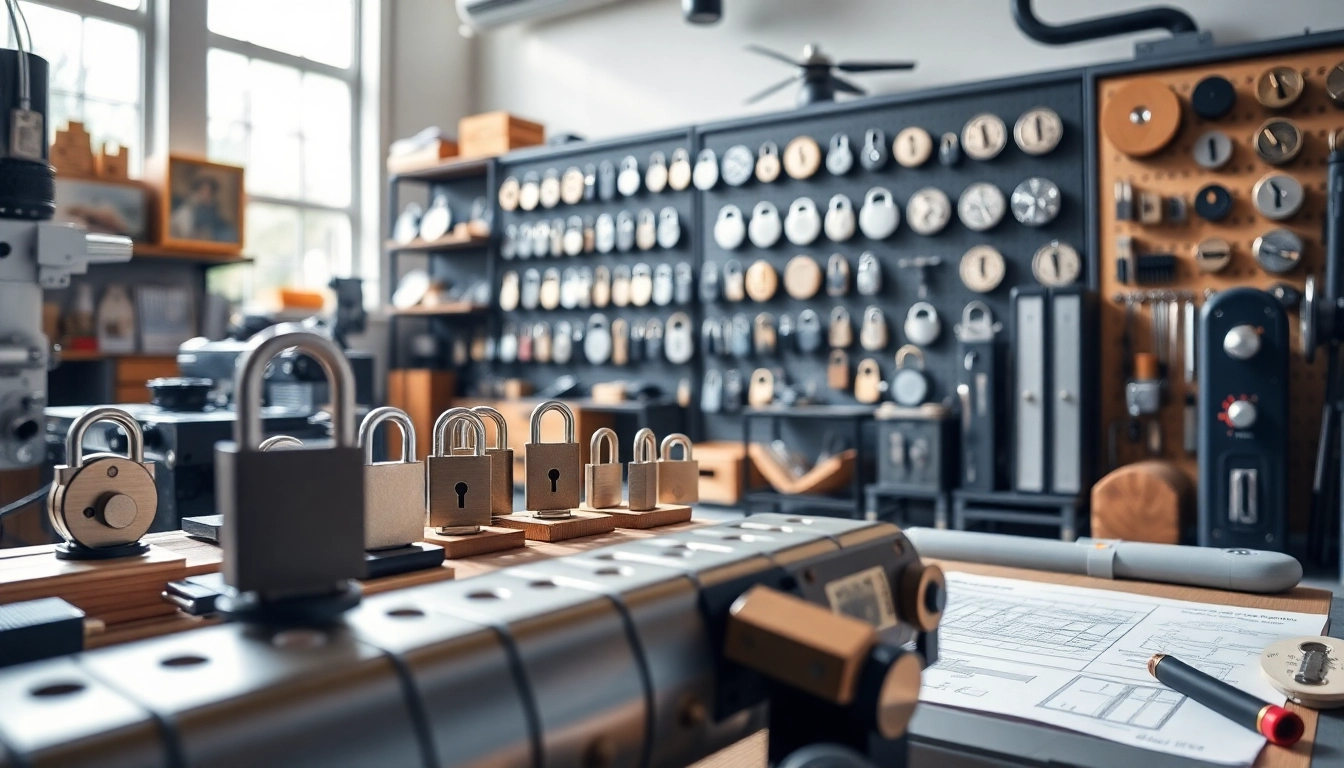
Understanding High-Security Locks
What Are High-Security Locks?
High-security locks are specifically designed to provide enhanced protection against unauthorized access and burglaries. Unlike standard locks, which can often be easily bypassed with basic tools, high-security locks incorporate advanced engineering, materials, and designs that significantly raise the bar for physical security. Typically, these locks utilize robust materials such as hardened steel and complex mechanisms that resist picking, drilling, and other forms of tampering.
Benefits of Using High-Security Locks
Choosing high-security locks comes with a multitude of benefits that cater to both personal safety and peace of mind. One of the most notable advantages is their resistance to lock picking, bumping, and other common manipulation techniques. Additionally, these locks often have a longer lifespan and require less frequent replacement, thus providing long-term savings. High-security locks also offer customizable security options, allowing you to tailor your security system to fit your specific needs.
When to Choose High-Security Locks
It is prudent to opt for high-security locks in various situations. For instance, if you reside in an area with a high crime rate or if you own valuable items that need protection, high-security locks are an excellent choice. Similarly, businesses with sensitive information or assets should seriously consider upgrading to high-security options to prevent potential theft or unauthorized access. Furthermore, if you have previously experienced a break-in, investing in high-security locks should be a top priority.
Types of High-Security Locks
Deadbolts and Mortise Locks
Deadbolts are possibly the most recognized type of high-security locks. They come in various styles, including single and double cylinders, with the latter providing extra security by requiring a key for both sides. Mortise locks, which fit into a pocket within the door, also offer high-level security and are often found in commercial settings due to their durability and compatibility with high-security keys.
Smart Locks and Electronic Systems
As technology advances, smart locks and electronic systems have become increasingly popular. These locks offer the convenience of keyless entry and can be integrated with home automation systems. Smart locks use advanced encryption technology that makes them harder to hack compared to traditional locks, providing an additional layer of security—especially when paired with surveillance systems.
Cam and Padlocks
When it comes to portable solutions, cam and padlocks are often various high-security choices. Cam locks are designed for cabinets and drawers, providing secure locking mechanisms for sensitive documents or valuables. Padlocks, on the other hand, offer versatility and are often used in conjunction with chains on gates or storage units. Many high-security padlocks feature hardened boron steel bodies and anti-drill plates to enhance their resistance against tampering.
Installation Process for High-Security Locks
Preparing Your Door for Installation
Installing high-security locks starts with proper preparation of the door. Make sure your door frame is sturdy enough to accommodate high-security locks, as weaker frames may be prone to breaking. Measure the existing lock space so that the new high-security lock fits perfectly. Check for any old or damaged hardware that may need replacing.
Step-by-Step Installation Guide
The installation process typically involves removing the existing lock, inserting the new lock into the door, and securing it according to the manufacturer’s instructions. Here’s a simplified step-by-step guide:
- Remove the old lock and hardware from the door.
- Align the new lock with the pre-drilled holes.
- Secure the lock in place using screws provided in the installation kit.
- Test the operation of the lock several times to ensure it functions smoothly.
- Finish installing any other components, like strike plates or electronic systems, as per the manufacturer guidelines.
Common Mistakes to Avoid
While installing high-security locks may seem straightforward, several common pitfalls can compromise security. One mistake is not ensuring correct alignment during installation, which could lead to a weakened lock mechanism. Additionally, failing to use the appropriate tools or attempting to rush the installation can result in improper fitting, affecting the lock's functionality and security integrity.
Maintenance Tips for Longevity
Routine Check-Ups
Regular maintenance is critical to extend the lifespan of high-security locks. It is advisable to conduct check-ups every six months. Inspect the locks for any signs of wear and tear or any unusual operating issues. Pay attention to how smoothly the lock turns and recognize any resistance that may indicate a malfunction.
Cleaning and Lubrication
Keeping high-security locks clean can significantly affect their performance. Use a soft cloth to remove dirt or debris that may accumulate around the lock mechanism. Additionally, application of suitable lock lubricant is essential. This should be done sparingly and should be a non-oily product to avoid attracting dust.
Signs of Wear and Required Repairs
Look out for indicators of wear that necessitate repairs. Difficulty in turning the key, sticking locks, or unusual noises can suggest that a lock may be nearing the end of its functional life. If problems arise, it’s crucial to address them promptly to prevent more significant security vulnerabilities.
Choosing the Right Security Solution
Assessing Your Security Needs
To choose the right high-security locks, an assessment of your specific security needs is essential. Consider the value of your possessions, the security breaches you've faced in the past, and local crime statistics. Understand the features that different locks offer and how they align with your security objectives.
Cost Considerations
The costs of high-security locks vary widely based on their type and features. Although they may present a higher upfront investment compared to standard locks, their long-term benefits make them cost-effective. Factor in the potential savings from reduced chances of theft and lower insurance premiums that may come with enhanced security measures.
Consulting with Professionals
When unsure about your security needs, consulting with security professionals can provide valuable insights. These experts can assess your property, identify vulnerabilities, and recommend specific high-security solutions tailored to your unique environment. They can also assist with proper installation, ensuring these locks perform as intended from day one.
Enhanced security is paramount in today’s uncertain world. Investing in high-security locks not only protects valuable possessions but provides peace of mind for homes and businesses alike. For further details on securing your property, visit https://www.dakenlocks.com.