Understanding Rammer Rental Equipment
What is a Rammer?
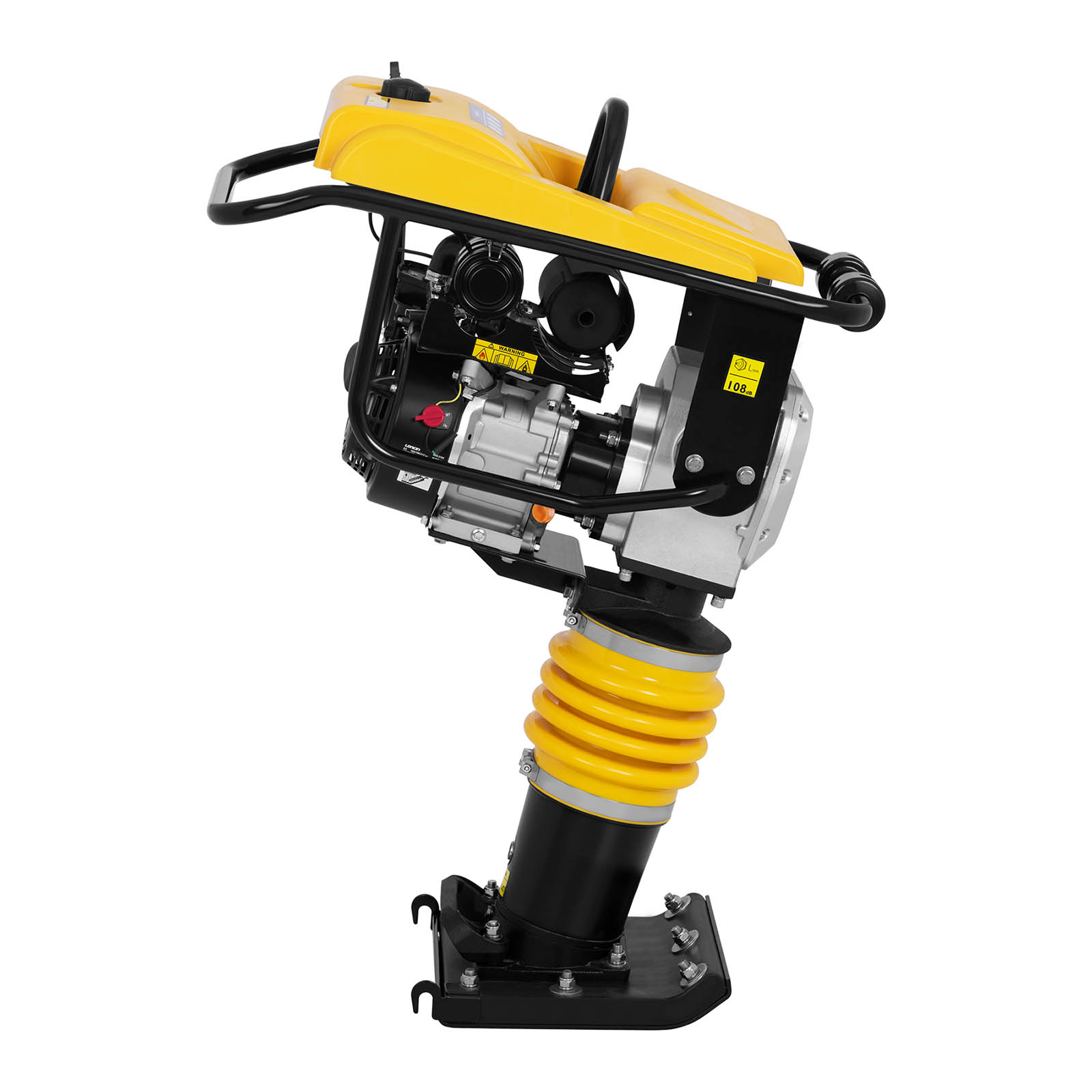
A rammer, often colloquially referred to as a jumping jack, is a type of compaction equipment designed specifically for compacting soil, gravel, and other materials through repetitive vertical thrust. The mechanism generally consists of a flat base plate and a powerful engine, which causes the rammer to jump and compress the ground beneath. Its compact design allows it to maneuver in tight spaces such as trenches and foundations, making it a favored tool in construction and landscaping projects.
Benefits of Rammer Rental
Opting for a rammer rental provides several advantages over purchasing equipment outright. First, renting can significantly reduce overhead costs associated with equipment procurement, maintenance, and storage. Second, renting allows you to utilize the latest technology without the baggage of ownership. This is particularly beneficial for short-term projects or those with fluctuating demands, allowing for immediate access to the right equipment without long-term commitments.
Common Applications for Rammer Rental
Rammers are popular in various applications, including:
- Foundation Work: Preparing the ground for the foundation of buildings.
- Trenching: Compacting soil within narrow trenches.
- Paving: Ensuring a solid base before laying asphalt or paving stones.
- Landscaping: Compacting soil and gravel for aesthetic features.
- Utility Installation: Ensuring the stability of soil around utilities after installation.
Selecting the Right Rammer Rental
Factors to Consider When Renting
When selecting a rammer for rental, several factors should be considered:
- Soil Type: Understand the composition of the material you will be compacting; cohesive soils require more specialized equipment.
- Site Accessibility: Ensure the rammer's dimensions and weight are suitable for the job site.
- Duration of Use: Determine how long you will need the equipment to assess rental costs correctly.
- Performance Specifications: Consider the power (measured in pounds of impact) and lift capabilities based on project requirements.
Types of Rammers Available
There are various types of rammers, including electric and gas-powered options. Electric rammers are typically quieter and have less maintenance but may require access to power sources on site. Gas-powered rammers offer greater power and portability, making them ideal for larger worksites but may require more upkeep. Understanding the nuances of each type can significantly affect project efficiency and overall outcomes.
Matching Rammers to Project Needs
Matching the right rammer to your project's needs involves assessing the size, weight, and tamping power of the equipment. For instance, lightweight rammers are ideal for residential projects with limited space, while heavier models are necessary for large commercial sites. Consider consulting rental companies for expert advice on which models best suit your particular job requirements.
How to Use Rammer Rental Effectively
Preparation and Setup
Prior to using a rammer rental, ensure you have the right training and safety equipment, including hard hats, gloves, and steel-toed boots. Start by inspecting the machine for any visible damage and ensure all components are functioning properly. Choose a flat area to begin compaction, removing any debris that could hinder performance. Follow the manufacturer’s instructions for setup and operation.
Best Practices for Operation
During operation, maintain a steady rhythm and avoid excessive lifting, which can cause the rammer to rebound uncontrollably. Use controlled and consistent pressure on the handle to guide the machine over the areas needing compaction. Operators should shift the machine continuously to achieve uniform density in the soil. Remember to give sufficient time for the soil to settle and compact between passes, particularly in granular soil types.
Safety Guidelines When Using Rammers
Safety is paramount during machinery operations. Always keep bystanders a safe distance away from the working area. Be aware of your surroundings and check for underground utilities before starting work. Use protective equipment such as ear protection and goggles to guard against noise and flying debris. Lastly, ensure that the machine is operated according to its specifications to avoid accidents.
Cost Considerations for Rammer Rental
Understanding Rental Pricing
Rammer rental costs can vary based on several factors, including the type of machine, duration of rental, and additional accessories. Daily, weekly, and monthly rates are common, allowing you to select the most cost-effective option for your project. Be sure to factor in any deposits and insurance costs in your budget planning.
Cost-Saving Tips for Renting
To save costs on your rammer rental, consider bundling rental equipment with other tools you may need for a project. Additionally, ask about discounts for extended rentals or seasonal promotions that rental companies might offer. Lastly, renting during off-peak seasons can yield more favorable rates.
Long-term vs Short-term Rentals
Assessing your project needs will help you decide between long-term and short-term rentals. For short-term tasks, daily rentals may suffice, while lengthy projects may benefit from weekly or monthly rates. Evaluate the total cost for each option to find the best financial fit for your situation.
Frequently Asked Questions about Rammer Rental
What is a rammer rental?
A rammer rental refers to the temporary leasing of a compactor machine used for consolidating soil, gravel, and other materials in construction projects.
How much does a rammer rental cost?
Rental costs vary widely based on machine type, rental duration, and location, typically ranging from $80 to $200 per day.
Where can I find rammer rental services?
Rammer rental services are usually provided by local equipment rental companies or construction supply stores in your area.
How do I operate a rammer rental?
Operational guidelines will vary by model, but typically include startup procedures, handling techniques, and safety measures found in the user manual.
What projects benefit from rammer rental?
Rammer rentals are ideal for compacting soil for foundations, trenches, backfills, and paving projects, contributing to overall site stability.