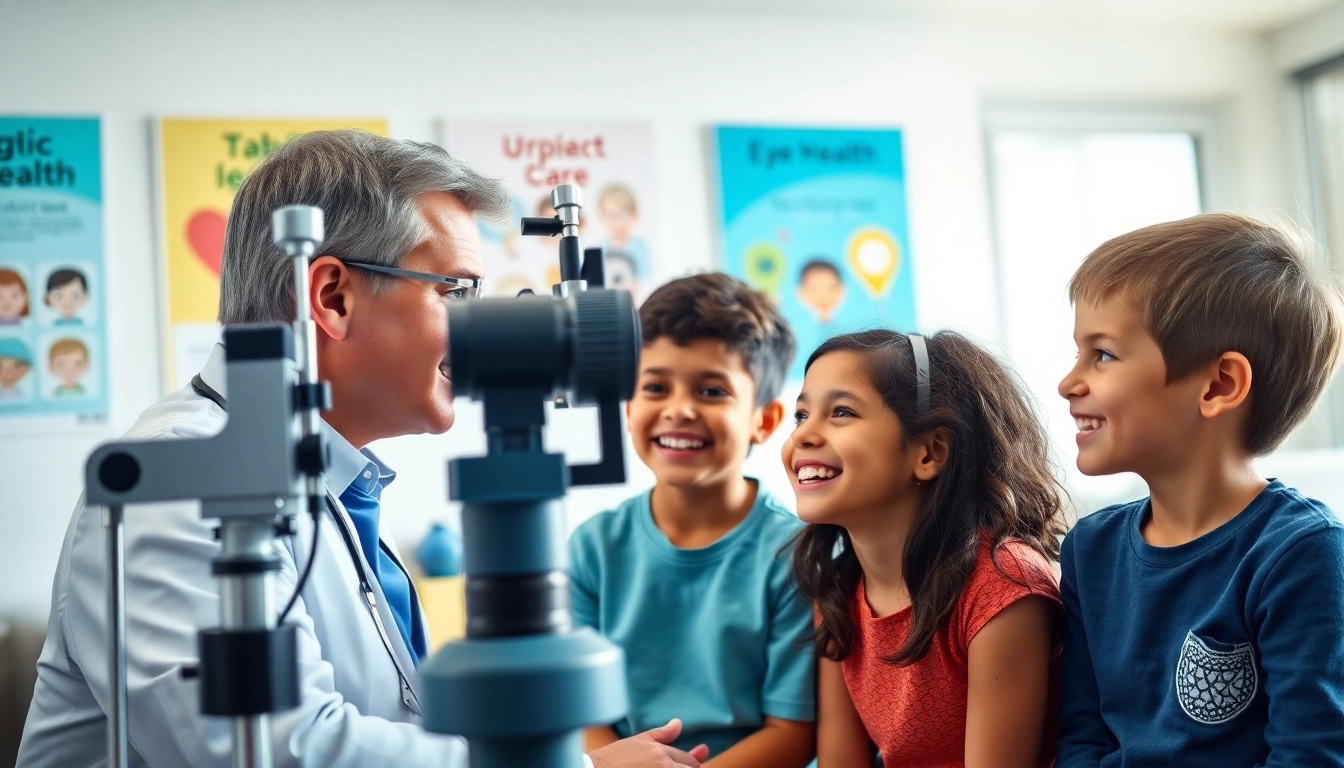
Understanding Our Children's Vision
The foundation of a child’s visual health is crucial for their overall development and academic success. Good vision is often taken for granted, yet it plays an essential role in daily functions such as learning, playing, and interacting with the world around them. One of the key components in maintaining optimal eye health in children is awareness of various eye conditions and ensuring regular vision checks. This is where organizations focusing on initiatives like Our Children's Vision become indispensable in advocating for the children’s ocular health needs.
1. Importance of Regular Eye Exams
Regular eye exams play a pivotal role in identifying potential vision problems early on. The American Optometric Association suggests that children should have their first eye exam around six months of age, followed by additional exams at three years old and just before they start kindergarten. Early detection can prevent issues from becoming severe and allows for timely intervention. Many serious conditions, such as amblyopia (lazy eye) or strabismus (crossed eyes), can be treated more effectively if caught early.
2. Common Pediatric Eye Conditions
Several eye conditions are commonly seen in children:
- Myopia (Nearsightedness): Children with myopia can see nearby objects clearly, but far away objects appear blurry.
- Hyperopia (Farsightedness): This condition affects the ability to see objects up close while distant objects may be clearer.
- Amblyopia (Lazy Eye): A condition that occurs when one eye does not develop normal vision, often due to misalignment or a difference in sharpness between the two eyes.
- Strabismus: A condition characterized by misalignment of the eyes, leading to one eye looking in a different direction than the other.
- Color Vision Deficiency: Often referred to as color blindness, this is the inability to see colors in the same way as most people.
3. Signs Your Child Needs an Eye Exam
Recognizing the signs that your child may need an eye exam is vital. These signs can include:
- Squinting frequently or tilting their head to see better.
- Complaining of blurry vision or difficulty reading the board in school.
- Difficulty with hand-eye coordination during play.
- Frequent blinking or rubbing their eyes.
- Reporting headaches after doing close-up work, such as reading or homework.
Eye Care Best Practices for Children
Aside from regular eye exams, implementing best practices for eye care can significantly enhance the health of children's vision. Parents and caregivers can adopt several strategies to ensure their children maintain optimal ocular health.
1. Nutrition and Eye Health
A well-balanced diet plays a crucial role in maintaining eye health. Nutrients like Vitamin A, C, E, omega-3 fatty acids, lutein, and zeaxanthin are particularly beneficial. Foods such as carrots, fish, leafy greens, and citrus fruits can contribute to healthy vision. It's important to encourage children to eat a variety of colorful fruits and vegetables to ensure they are receiving the nutrients needed for their eye health.
2. Screen Time Management
In today's digital age, screen time is an unavoidable part of children's lives. However, prolonged screen exposure can lead to digital eye strain and other vision problems. Experts recommend the 20-20-20 rule: every 20 minutes, children should look at something 20 feet away for at least 20 seconds. Additionally, parents should establish limits on recreational screen time and encourage outdoor activities.
3. Protective Eyewear Recommendations
Protective eyewear is essential for safeguarding children's eyes during play and sports. Children should wear appropriate safety glasses while participating in activities such as biking, skateboarding, or playing ball sports. UV-blocking sunglasses are also recommended for outdoor time to protect against harmful sun rays.
How to Select the Right Eye Care Professional
Choosing the right eye care professional is critical for your child's vision and overall health. Parents must do their research and select a provider who is not only skilled but also understands the unique needs of children.
1. Qualifications to Look For
When selecting an eye care professional, look for qualifications such as board certification in pediatrics or optometry. Additionally, familiarity with childhood eye conditions and the latest treatment techniques is a significant plus. Reading online reviews and gathering referrals from other parents can also assist in choosing a qualified professional.
2. Importance of Child-Centric Approaches
A child-centric approach is essential in pediatric eye care. Professionals should prioritize building rapport with children to ensure they feel comfortable and cooperative during exams. Practices that cater to children's emotional and psychological needs often yield better outcomes in eye health.
3. Evaluating Patient Experiences
Evaluating patient experiences can provide valuable insight into the quality of care a child will receive. Consider asking other parents about their experiences with specific practitioners, as well as checking for online testimonials. A practice that emphasizes transparency and engagement with families is often a good sign of a supportive environment.
Innovations in Pediatric Eye Care
The field of pediatric eye care is continuously evolving, with new technologies and treatments emerging to enhance the assessment and management of children's vision problems.
1. Technological Advances in Eye Exams
Modern eye care has seen innovations such as retinal imaging and optical coherence tomography (OCT), which allows for detailed viewing of the retina. Additionally, portable tools designed for pediatric patients make it easier for healthcare providers to offer high-quality examinations in different settings, including schools and community centers.
2. New Treatment Options for Children
Recent advancements have led to the development of new treatments for conditions like amblyopia and strabismus. Vision therapy programs, which include exercises and use of specialized equipment, have shown promise in helping children strengthen their visual skills. Furthermore, new medications and interventions can provide additional treatment options, reducing the need for surgical procedures in certain cases.
3. Future of Children's Eye Health Research
Ongoing research in the field of children's eye health is promising. Studies are continually being conducted to understand the genetic factors that influence eye health, as well as the impact of environmental factors such as screen time. With advancements in genetic testing and early intervention strategies, the future of pediatric eye health looks bright.
Raising Awareness Around Our Children's Vision
Raising awareness about children's vision is essential for fostering a community that prioritizes eye health. Advocacy, education, and engagement are critical components of this movement.
1. Advocacy for Better Eye Health Policies
Engaging in advocacy work to promote better eye health policies ensures that children's vision needs are prioritized at various levels of government and education systems. Organizations can work to influence policy changes that improve access to vision care for all children, especially for those in underserved communities.
2. Community Programs and Resources
Community programs focused on vision health can offer educational resources, free eye exams, and screenings to families. Collaborating with local schools and health organizations to create awareness can be an effective strategy. Programs that provide access to frames and lenses help eliminate barriers to vision care for children in need.
3. Engaging Parents and Caregivers Effectively
When it comes to children’s eye care, parents and caregivers are crucial in fostering healthy habits. Engaging them through educational workshops, informative toolkits, and interactive resources can help them understand the importance of vision health. Providing platforms for open discussion about children's vision can empower families to advocate for their children’s eye care.