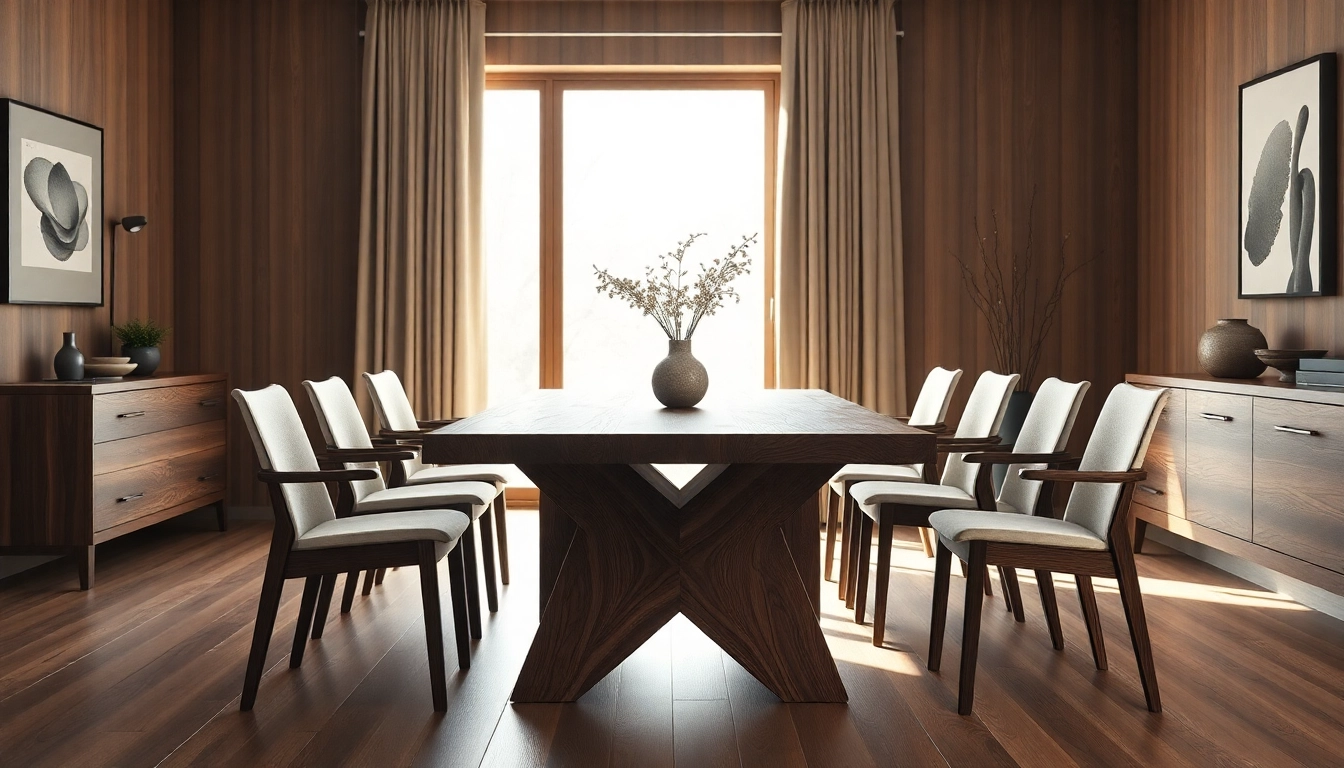
Understanding Solid Wood Tables and Their Benefits
When it comes to furnishing your home, few items encapsulate elegance and durability as effectively as Solid wood tables. These tables are not merely functional pieces of furniture; they embody a blend of craftsmanship, natural beauty, and significant investment in your home's aesthetic. This article explores what solid wood tables are, the advantages they offer, and the types of wood commonly used in their construction.
What Are Solid Wood Tables?
Solid wood tables are crafted entirely from solid lumber, meaning they are made from one or multiple pieces of hardwood or softwood, without any engineered or manufactured wood components like particleboard or MDF. This means that every solid wood table boasts unique grain patterns, colors, and textures, resulting in a distinctive piece tailored to your space. Unlike veneer tables, which have a thin layer of wood over a core of less expensive materials, solid wood tables offer structural integrity and long-term durability.
The Advantages of Choosing Solid Wood
The choice to invest in solid wood tables is supported by a variety of compelling benefits. These benefits not only enhance the functionality of your space but also contribute to environmental sustainability.
- Durability: Solid wood tables are built to last, often outshining other materials in endurance and resilience. They can withstand everyday use and are less prone to warping and cracking over time.
- Timeless Appeal: The natural beauty of wood complements a multitude of décor styles, from rustic to modern. A well-crafted solid wood table can enhance your home’s aesthetic for decades.
- Resale Value: Quality solid wood furniture tends to retain its value better than other materials. Should you ever decide to sell or upgrade your furniture, solid wood tables can fetch a good price due to their craftsmanship and desirability.
- Sustainability: Many manufacturers adhere to sustainable sourcing practices, ensuring that the wood used is ethically harvested, which makes solid wood tables a more environmentally friendly choice than other materials.
Common Types of Wood Used in Table Construction
Not all woods are created equal when it comes to crafting solid wood tables. Various species lend their unique characteristics to the furniture, affecting appearance and durability.
- Oak: Known for its strength and durability, oak features a pronounced grain and light color. It is often used for dining tables due to its ability to resist wear.
- Maple: Maple wood is dense and hard, making it a superb choice for tables that need to withstand heavy use. It has a smooth surface with a fine grain, ideal for a polished finish.
- Cherry: Cherry wood is notable for its rich, warm tones that deepen with age. This wood is less sturdy than oak or maple but offers aesthetic appeal that is hard to ignore.
- Walnut: Renowned for its striking dark hues and intricate grain patterns, walnut is highly sought after for its luxurious appearance. It tends to be more expensive but adds a premium feel to any room.
Choosing the Right Solid Wood Table for Your Needs
Selecting the ideal solid wood table requires careful consideration of your specific requirements, including space, style, and size. By assessing these elements closely, you can ensure your choice fully complements your living area.
Identifying Your Space Requirements
Before purchasing a solid wood table, evaluate your available space. Consider factors such as the room's dimensions, the existing furniture layout, and the purpose of the table. A dining table for family gatherings will have different requirements than a coffee table meant for casual use.
Additionally, think about the flow of the room. Ensure that there is enough space around the table for movement, particularly in dining areas where guests will need to pull out chairs. Aim for at least 36 inches of clearance between the table and surrounding walls or furniture.
Styles of Solid Wood Tables: Finding Your Aesthetic
Once you've determined your space requirements, the next step is to consider the style of solid wood table that best fits your aesthetic preferences. Solid wood tables come in various styles, including:
- Traditional: Characterized by intricate detail and often featuring carved legs and ornate designs, traditional style tables offer a classic, timeless feel.
- Modern: Clean lines, minimal ornamentation, and more geometric shapes define modern solid wood tables. These tables often feature finishes that highlight the wood’s natural grain.
- Rustic: If you favor a more casual or country-style environment, consider rustic tables that embrace imperfections and use reclaimed or aged wood, showcasing its history.
Determining the Right Size for Your Dining Area
Choosing the right size for your solid wood table is crucial. While it’s tempting to go for the biggest option available, this can create a cramped and uncomfortable environment. Here are some key sizing guidelines:
- Dining Tables: The standard height for dining tables is about 30 inches. Be sure to allow about 24 inches of space per person when seated for optimal comfort.
- Coffee Tables: Coffee tables should be approximately 16-18 inches high and about two-thirds the length of your sofa for balanced proportion.
- Desks: Depending on your chair height, desk tables are typically set between 28 to 30 inches high.
Care and Maintenance of Solid Wood Tables
Cleaning Techniques to Preserve Finish
Proper cleaning is foundational to maintaining the finish of your solid wood table. Dust and debris should be wiped off regularly using a soft, lint-free cloth. Avoid using abrasive materials that can scratch the surface.
For deeper cleaning, a solution of mild dish soap diluted in water can be applied with a damp cloth, followed by drying the area thoroughly with another clean cloth. Make sure to avoid excessive water, as moisture can warp wood over time.
Protecting Against Scratches and Water Damage
To safeguard your solid wood tables from scratches and water damage, consider using coasters for drinks, placemats for dining, and tablecloths for special occasions. Applying surface protectors, which can be found in various forms including felt pads or silicone mats, can further shield the wood from unwanted wear.
If water does spill, wipe it up immediately without leaving it to soak into the wood. It’s also beneficial to avoid exposure to direct sunlight, which can fade and dry out finishes over time.
Restoring Older Tables: Techniques and Tips
If your solid wood table has visible wear or damage, several restoration techniques can breathe new life into it:
- Re-varnishing: Stripping old varnish and applying a fresh coat can rejuvenate an aging table. This can usually be accomplished with some careful sanding and a quality varnish that matches the table’s original finish.
- Filling Scratches: Minor scratches can often be filled with wood filler, followed by sanding and staining to match the rest of the table.
- Professional Restoration: If the damage is extensive, consulting with a professional restorer may be the best option to maintain the integrity of the piece.
Customizing Your Solid Wood Table
One of the remarkable aspects of solid wood tables is the ability to customize them according to your specific preferences and needs. Customization not only enhances the table's functionality but can also make it a unique centerpiece in your home.
Options for Size and Shape Preferences
When it comes to size and shape, you can choose anything from round, rectangular, or oval to suit your available space and number of users. Custom sizing allows you to maximize your area efficiently, offering a tailor-made solution for your environment.
Additionally, you can select the thickness of the table surface—thicker slabs may provide more visual weight and stability, while thinner options can create a more contemporary feel.
Finishing Techniques to Personalize Appearance
A variety of finishing techniques can individualize your solid wood table. These range from traditional oil finishes that highlight the wood grain to modern lacquers that provide a high-gloss look. Stains can also be used to alter the wood's natural color, allowing you to match the table with your existing decor.
Don’t hesitate to experiment with textures as well; distressed finishes can add a vintage appeal, while polished surfaces offer a refined look.
Incorporating Unique Features: Drawers, Extensions, and More
Customized tables can also incorporate functional features that make them unique. Options like built-in drawers for storing utensils or table linens keep your dining area neat and organized. Moreover, consider tables with extension leaves, which can increase seating capacity and be easily tucked away when not in use.
Investing in Solid Wood Tables: What to Consider
Investing in a solid wood table is both a financial and aesthetic decision. Understanding various elements related to pricing, quality, and purchasing options will help you make the right choice.
Understanding Pricing and Quality Indicators
The cost of solid wood tables can significantly vary based on materials, craftsmanship, and brand. Typically, higher-quality timber and sophisticated construction techniques result in increased pricing. Look for signs of quality such as:
- Joinery: High-quality tables often use traditional joinery methods such as mortise-and-tenon or dovetail joints instead of screws or nails, offering better durability.
- Wood Grade: The grade of wood can impact both appearance and strength—higher grades are denser and less prone to defects.
- Finishing Quality: A well-finished surface is free from imperfections and enhances the overall look of the table.
Comparing Custom vs. Pre-Manufactured Options
Deciding between custom and pre-manufactured solid wood tables involves weighing the benefits of both. Custom tables offer a personalized touch and tailored dimensions, but may be costlier and require longer lead times. On the other hand, pre-manufactured tables can be a more affordable and quicker option, though they may lack the unique characteristics and craftsmanship of custom pieces.
When evaluating both options, assess your budget, timeline, and specific needs to find the best fit.
Where to Buy: Retailers and Online Options
When it’s time to buy your solid wood table, you have multiple avenues to explore. Retailers, both physical and online, offer a vast selection of tables catering to different styles and prices. Check out specialty furniture stores for unique items, or browse online marketplaces for an extensive array of options.
Regardless of the route, always inspect the solid wood tables personally, if possible, to confirm weight, finish quality, and overall craftsmanship before making a final purchase.