Understanding Land Irrigation Basics
What is Land Irrigation?
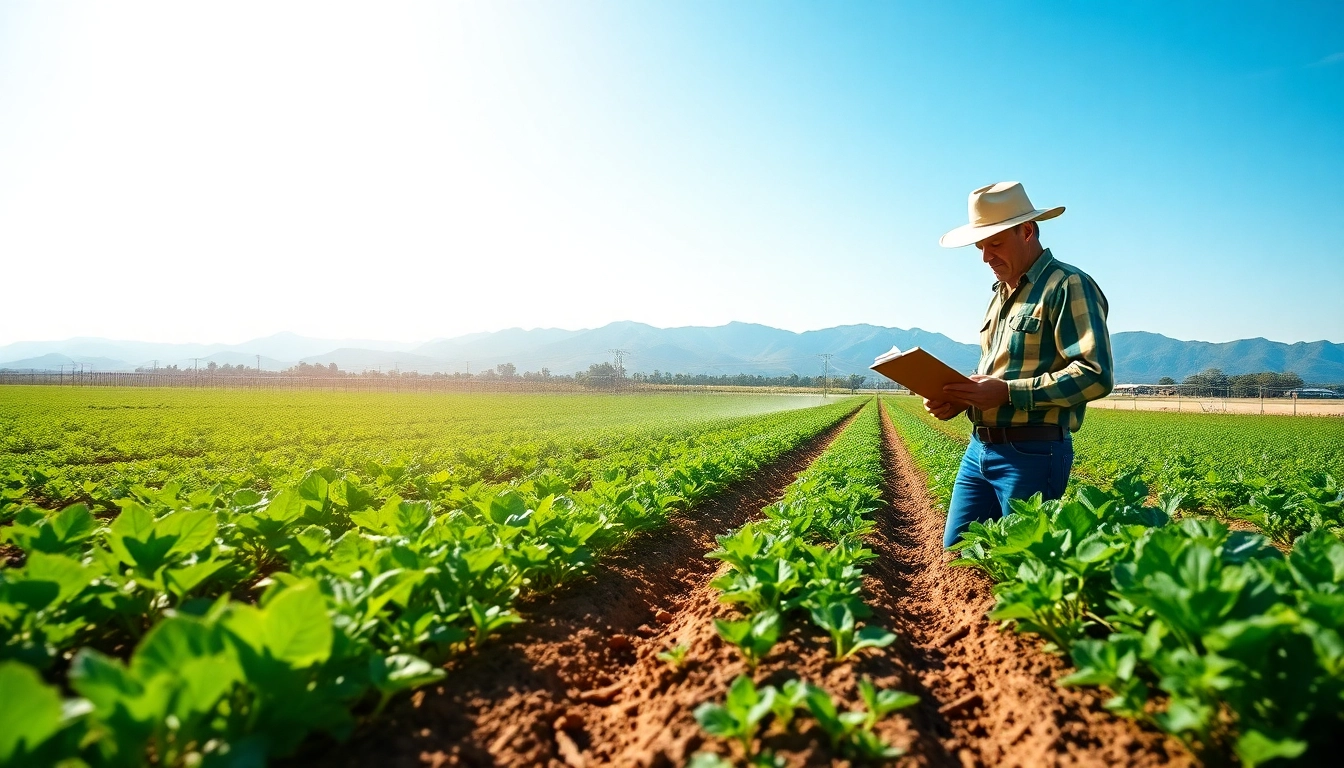
Land irrigation refers to the artificial application of water to land for the purpose of assisting in the growth of agricultural crops. This technique has been essential for enhancing food production and supporting farming practices, especially in areas susceptible to drought or insufficient rainfall. The practice involves various methods, ranging from ancient flood irrigation systems to modern drip and sprinkler techniques. Through land irrigation, farmers can ensure that crops receive the necessary hydration, leading to healthier plants and increased yields.
Importance of Efficient Land Irrigation
Efficient land irrigation systems are crucial in modern agriculture. With the global population on the rise, the demand for food has surged, necessitating higher crop yields. Efficient irrigation practices help in maximizing water usage, reducing wastage, and ensuring that crops receive adequate moisture. This not only boosts agricultural productivity but also supports sustainable farming by minimizing impacts on local water resources.
Types of Land Irrigation Techniques
There are several techniques utilized in land irrigation, each with its own advantages and applications. The main types include:
- Surface Irrigation: Water is distributed over the soil surface by gravity flow. It is economical but may lead to uneven water delivery.
- Drip Irrigation: Water is delivered directly to the plant roots through a network of tubing, which is considered highly efficient in water usage.
- Sprinkler Irrigation: Water is sprayed over crops in the form of droplets, mimicking natural rainfall. This method can be adapted to various terrains.
- Subsurface Irrigation: Involves burying pipes or tubes below the surface to supply water directly to the root zone, reducing evaporation losses.
Common Challenges in Land Irrigation
Water Management Issues
Water management is one of the primary challenges in land irrigation. Farmers must balance water availability with crop needs, particularly in regions facing water scarcity. Inefficient water use can lead to significant losses and environmental issues, such as groundwater depletion and salinization.
Soil Quality and Irrigation Performance
The quality of soil directly impacts irrigation effectiveness. Poor soil structures tend to have low water retention capacity, leading to leaching and reduced plant growth. Understanding soil types and their ability to hold moisture is essential for any irrigation strategy.
Seasonal Variability and Planning
Seasonal changes in weather patterns can create significant challenges for land irrigation. Farmers must adapt their strategies to anticipate droughts or excessive rainfall, which can impact irrigation schedules and crop health. Planning for these variations is crucial for successful agricultural practices.
Best Practices for Land Irrigation Implementation
Choosing the Right Irrigation Method
Selecting an irrigation method depends on several factors, including crop type, local climate, and soil characteristics. Conducting thorough assessments can provide insights into which technique would be most effective, potentially leading to improved water conservation and crop resilience.
Technology Integration in Land Irrigation
Incorporating technology into land irrigation can enhance efficiency and precision. Tools such as soil moisture sensors, automated irrigation systems, and data analytics platforms allow farmers to monitor and manage their irrigation practices in real time. This not only improves water usage but also boosts crop health and yields.
Monitoring and Adjusting Irrigation Systems
Regular monitoring of irrigation systems is vital for ensuring optimal performance. Adjustments may be required based on changing weather conditions, soil moisture levels, and crop growth stages. Utilizing feedback from monitoring systems can help farmers make data-driven decisions regarding irrigation scheduling and methods.
Case Studies: Successful Land Irrigation Applications
Innovative Irrigation Techniques Worldwide
Several innovative irrigation methods have been adopted worldwide. In Israel, for example, drip irrigation systems have revolutionized water use in agriculture, allowing farmers to produce high-yield crops in arid conditions. Similarly, the use of rainwater harvesting systems in India has supported smallholder farmers in maintaining irrigation without depleting groundwater sources.
Impact of Land Irrigation on Crop Yield
Effective land irrigation significantly impacts crop yields. Studies have shown that farms utilizing advanced irrigation techniques can achieve up to 30% higher yields compared to those relying on traditional methods. This not only supports food security but also contributes to agricultural sustainability.
Lessons Learned from Real-World Examples
Examining successful land irrigation projects can provide valuable insights for implementation. For instance, the experience of farmers in California highlights the importance of integrating advanced technologies and sustainable practices to cope with water stress while maximizing productivity.
Future Trends in Land Irrigation
Smart Irrigation Technologies
The future of land irrigation lies in smart technologies that optimize water usage. Innovations like internet-connected irrigation systems can provide real-time data and automate watering schedules, ensuring crops receive precisely what they need.
Environmental Sustainability in Land Irrigation
There is a growing emphasis on sustainable land irrigation practices that minimize environmental impact. Techniques such as using recycled water and creating wetland buffers help protect local ecosystems while still providing water for agriculture.
Policy Changes and Their Impact on Land Irrigation
Government policies regarding water use and agricultural practices directly influence land irrigation systems. With ongoing discussions around climate change and resource management, future policies will likely focus on promoting efficient irrigation technologies and practices to ensure food security and sustainability.
FAQs About Land Irrigation
1. What is the best irrigation method for small farms?
Drip irrigation is often the best choice for small farms due to its efficiency in water use and targeting of plant roots, which reduces waste.
2. How can I improve my irrigation efficiency?
Improving irrigational efficiency can be achieved through monitoring soil moisture, adopting modern irrigation technologies, and scheduling irrigation based on weather forecasts.
3. What are the signs of over-irrigation?
Signs of over-irrigation include water pooling in fields, wilting of plants due to root rot, and excessive weed growth that thrives on wet conditions.
4. Can irrigation systems impact local ecosystems?
Yes, poorly managed irrigation can deplete local water resources, disrupt natural habitats, and lead to salinization, affecting biodiversity.
5. How often should I irrigate my crops?
The irrigation frequency should depend on the crop type, growth stage, soil moisture levels, and weather conditions, ensuring plants are hydrated without over-saturating the soil.