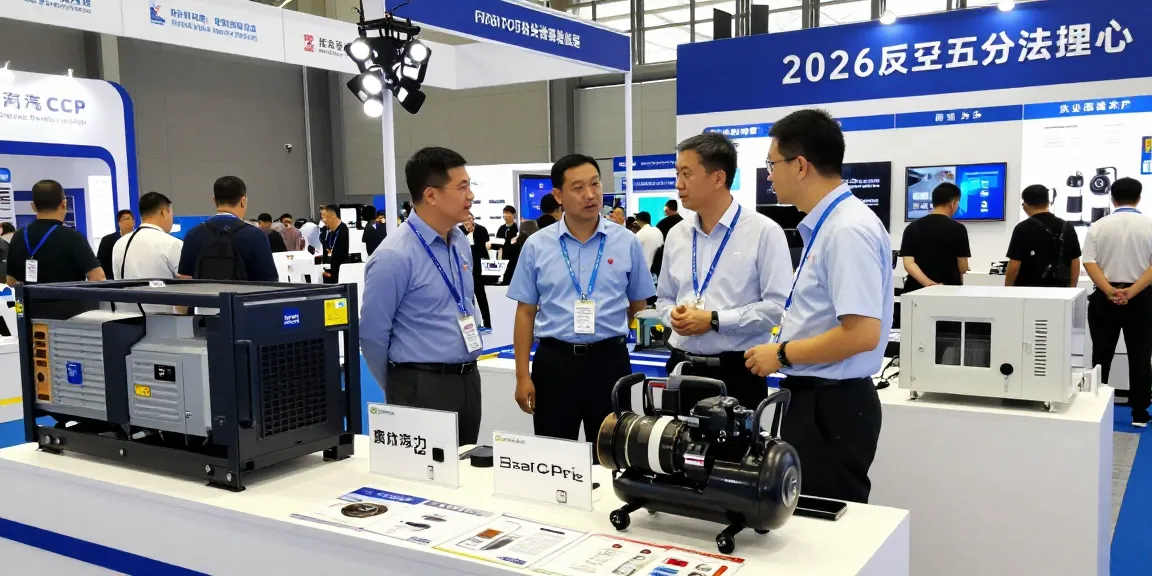
Understanding Industrial Water Transfer Services
Industrial water transfer services play a crucial role in various sectors, providing the necessary infrastructure for moving water, treating wastewater, and managing water resources efficiently. These services are essential for industries that rely on substantial volumes of water to function effectively, such as construction, mining, oil and gas, and agriculture. With the increasing demand for sustainable and efficient water management practices, industrial water transfer services have become indispensable not just from a practical standpoint but also in meeting regulatory compliance and environmental standards.
What Are Industrial Water Transfer Services?
Industrial water transfer services encompass a wide range of activities aimed at the transportation, storage, and treatment of water. This includes sourcing water from various bodies, transporting it to the point of use, and managing any wastewater produced during industrial processes. Water transfer can involve both fresh and treated water, depending on the specific needs of the industry. Some common services include:
- Tanker hauling of fresh and produced water.
- Pumping systems for water transfer and disposal.
- Water treatment services to ensure compliance with environmental standards.
- Temporary and permanent pipeline installations for ongoing transfer needs.
Importance in Various Industries
Industries such as energy, agriculture, and manufacturing rely heavily on effective water transfer services to support their operations. For instance, in the oil and gas sector, water transfer services facilitate hydraulic fracturing (fracking), which requires considerable volumes of water for extraction processes. Similarly, agricultural irrigation heavily depends on the timely and efficient transfer of water resources. Furthermore, these services are crucial for ensuring that companies adhere to environmental regulations and sustainability goals.
Types of Water Transfer Methods
There are several methods used in industrial water transfer, each suited to different needs and circumstances:
- Pipelines: Permanent and temporary pipeline systems offer a reliable means of transporting large volumes of water over extended distances.
- Tanker Trucks: Ideal for short-distance transport, tanker trucks are versatile, enabling companies to transport water to and from various sites efficiently.
- Vacuum Trucks: These vehicles are utilized for the transport of wastewater and sludge, particularly where gravity flow isn't feasible.
- Pumping Stations: Essential for managing the flow and pressure of water along transfer routes, ensuring efficiency and safety.
Key Components of Water Transfer Operations
Overview of Equipment Used
The effectiveness of industrial water transfer services is largely determined by the equipment employed. Key components include:
- Pumps: Required for moving water efficiently, pumps come in various configurations, including centrifugal, positive displacement, and submersible types.
- Pipelines: Made from materials such as PVC, HDPE, or steel, pipelines must be designed to handle the specific type of water and pressures involved in the transfer process.
- Hoses: Used for flexible connections in pumping applications, hoses must be durable and resistant to chemicals and abrasion.
- Storage Tanks: Essential for storing water at various stages of transfer, tanks must meet health and safety regulations.
Personnel Training and Safety Protocols
All personnel involved in water transfer operations must undergo rigorous training to ensure they understand the operational procedures and safety protocols. This includes training in:
- Safe operation of equipment and machinery.
- Emergency response plans in case of spills or equipment failure.
- Environmental regulations and compliance requirements to minimize ecological impact.
Regulatory Compliance and Environmental Considerations
Compliance with environmental regulations is paramount in water transfer operations. Companies must adhere to guidelines set forth by agencies such as the Environmental Protection Agency (EPA) and local governing bodies. This involves:
- Regular monitoring of water quality.
- Implementing best management practices to minimize pollution and waste.
- Ensuring proper disposal of contaminated water and sludge.
Benefits of Professional Water Transfer Services
Cost Efficiency in Water Management
Utilizing professional water transfer services can significantly reduce operational costs. Companies can save on the resources required for in-house water management, including labor and equipment costs, while also benefiting from the expertise of professionals who can optimize the transfer processes. Efficient water transfer operations help mitigate wastage, translating to lower operational expenses.
Enhanced Efficiency and Reliability
Outsourcing water transfer services to specialists ensures that operations run smoothly and are less prone to disruptions. Professional service providers can offer technological advantages, such as state-of-the-art equipment and optimized routing of water transfer, thereby improving the reliability and speed of service.
Risk Mitigation and Safety Enhancements
Professional water transfer operators have systems in place to identify and mitigate risks. The employment of trained personnel, adherence to safety standards, and preventative maintenance of equipment all contribute to minimizing operational risks and enhancing safety measures during water transfer.
Challenges in Industrial Water Transfer
Weather and Environmental Issues
Environmental conditions can significantly impact water transfer operations. Heavy rains, droughts, and extreme temperatures may affect the availability of water sources and complicate transport logistics. Companies must be prepared with contingency plans to address these challenges, such as alternative water sourcing strategies or adaptive transport methodologies.
Technical Malfunctions and Equipment Failures
Equipment malfunctions can lead to costly delays and potential environmental impacts. Regular maintenance and inspection of equipment are essential to ensure reliability and performance. Companies should invest in predictive maintenance technologies that allow for early detection of issues and minimize downtime.
Logistics in Water Transport and Supply
Transporting water involves complex logistical considerations, including routing, traffic patterns, and the availability of water sources. Effective logistical planning is crucial to ensure timely and efficient water delivery, particularly for industries with time-sensitive needs, such as construction and oil drilling.
Future Trends in Industrial Water Transfer Services
Innovations in Technology and Equipment
The industrial water transfer sector is witnessing significant technological advancements. Innovations such as smart monitoring systems, automated flow controls, and real-time data analytics are improving operational efficiency and environmental compliance. Companies that leverage these technologies are better positioned to optimize their water management practices.
Sustainable Practices and Solutions
With increasing emphasis on environmental sustainability, the future of water transfer services is shifting toward eco-friendly practices. This encompasses the use of renewable energy sources for pumping operations, the implementation of water recycling and reuse systems, and sustainable sourcing practices that minimize the environmental impact of water extraction.
The Role of Automation in Water Management
The rise of automation in industrial water transfer services signifies a notable shift in operational efficiency. Automated systems can enhance the accuracy of water monitoring and improve response times during environmental or operational incidents. As automation continues to evolve, it will play an integral role in shaping the future landscape of water management.