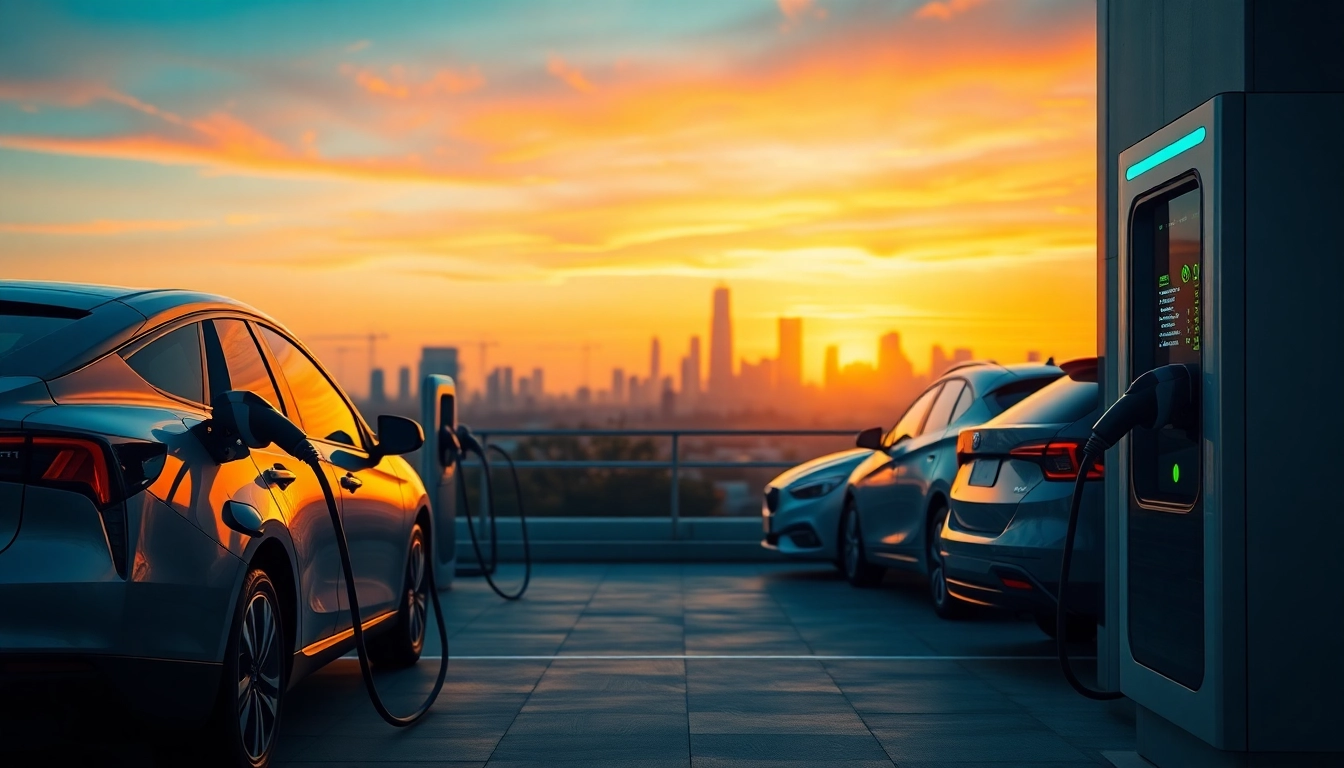
Understanding the Landscape of EV Charging News
The landscape of electric vehicle (EV) charging is rapidly evolving, presenting both opportunities and challenges. As more consumers embrace electric mobility, it becomes critical to stay updated with the latest developments in EV charging news, which encompass technological advancements, infrastructure expansion, and consumer behavior. This article delves into the multifaceted world of EV charging, exploring its infrastructure, key players, emerging trends, innovations, challenges, and future outlook.
Overview of EV Charging Infrastructure
The EV charging infrastructure comprises an intricate web of charging stations, grid connectivity, and technological frameworks designed to support electric vehicles. Various types of charging solutions exist, including home charging units, public fast chargers, and Level 2 chargers strategically located at commercial sites.
As the number of electric vehicles on the road continues to increase, so does the need for a robust charging network. Communities are investing in expanding public charging stations to facilitate long-distance travel, enhance consumer confidence, and support urban planning initiatives. The integration of charging infrastructure with existing energy grids is also crucial to efficiently manage electricity consumption and provide a seamless charging experience for users.
Key Stakeholders in Electric Vehicle Charging
The EV charging ecosystem involves multiple stakeholders, each playing a vital role in its development and success. Key players include:
- Government Agencies: They set policies and provide funding and incentives to promote the installation of EV charging stations.
- Private Sector Companies: These range from automobile manufacturers to electric utility providers that invest in the development and maintenance of charging networks.
- Consumers: The demand for electric vehicles drives the need for expanded charging infrastructure and influences technological advancements.
- Technology Innovators: Companies specializing in energy technology contribute to the development of efficient charging solutions and smart grid technologies.
Trends Influencing EV Charging News
Current trends are shaping the evolution of the EV charging landscape. These include:
- Increased Adoption of Electric Vehicles: With rising environmental awareness, more consumers are making the switch to electric vehicles, driving growth in the charging infrastructure.
- Technological Advancements: Innovations in charging technology, such as ultra-fast charging and wireless charging, are becoming more prevalent, offering consumers convenience and faster charging times.
- Government Initiatives: Many governments worldwide are implementing stricter emissions regulations and providing subsidies for electric vehicle purchases, further incentivizing adoption.
- Public-Private Partnerships: Collaborations between public entities and private companies are being established to accelerate the rollout of charging stations and enhance user accessibility.
Recent Innovations Driving EV Charging News
Breakthrough Technologies in Fast Charging
Fast charging technology has made significant strides, reducing the time required for recharging electric vehicles significantly. Innovations such as 350 kW DC fast chargers enable drivers to charge their vehicles up to 80% within 20-30 minutes. These advancements are critical in addressing consumer concerns about charging times and the feasibility of EV travel.
Another significant method is the development of high-capacity battery systems, which enhance the performance of fast charging. Battery technology continues to advance, yielding solutions that enable vehicles to accept more energy quickly without compromising battery life or safety.
Impact of Renewable Energy on Charging Solutions
The integration of renewable energy sources, such as solar and wind power, into EV charging infrastructure is becoming increasingly common. Utilizing green energy not only reduces the carbon footprint associated with electricity generation but also makes charging more sustainable. This is pivotal as consumers become more concerned about the environmental impact of their choices.
Moreover, many charging stations are being outfitted with solar panels that generate power on-site, contributing to energy independence. This trend not only decreases the reliance on conventional power grids but also enhances the sustainability profile of electric vehicle usage.
Smart Charging Systems and Their Benefits
Smart charging systems represent a significant technological advancement in EV charging infrastructure. These systems allow for the optimization of charging times based on grid demand, electricity pricing, and vehicle availability. By leveraging data analytics and communication networks, smart charging can reduce costs for consumers and utilities alike.
Moreover, smart charging systems facilitate Vehicle-to-Grid (V2G) technology, enabling electric vehicles to return electricity to the grid when not in use. This capability can enhance grid stability and provide users with financial incentives for being part of the energy ecosystem.
Challenges and Solutions in EV Charging News
Addressing Range Anxiety Among Electric Vehicle Users
Despite growing confidence in electric vehicles, many consumers still experience range anxiety—the fear of running out of battery power before reaching a charging station. This psychological barrier can slow down widespread adoption. To combat range anxiety, stakeholders are focusing on expanding charging infrastructure and improving the accuracy of range predictions provided by vehicle systems.
Education and engagement are also necessary components of alleviating range anxiety. Informing consumers about available charging points, their locations, and charging times can foster a sense of security and encourage EV adoption.
Overcoming Infrastructure Limitations
The current charging infrastructure in many regions remains inadequate to meet growing demand. To overcome this limitation, comprehensive planning and investment are needed to ensure that charging stations are located strategically to serve urban and rural areas alike. Governments and private entities must work together to identify high-traffic areas and underserved locations.
Moreover, facilitating shared charging solutions, particularly in multi-unit residential buildings, is essential to ensure that everyone has access to charging facilities, thereby increasing the convenience of EV ownership.
Policy and Regulation Updates Affecting Charging Availability
Policy and regulation play a significant role in shaping the landscape of EV charging infrastructure. Regional and national regulations can either encourage or hinder the expansion of charging networks. Current trends show that governments are increasingly enacting policies that promote sustainable transportation—this includes providing funding for charging infrastructure, setting emissions targets, and committing to achieving net-zero carbon emissions in transport.
However, regulations must also balance the needs of consumers and the interests of stakeholders. Clear guidelines and incentives will encourage investment and innovation in EV charging solutions, ensuring that the market can adapt swiftly to changing consumer demands.
Market Trends Reflected in EV Charging News
Shifts in Consumer Behavior Towards Electric Vehicles
Consumer behavior regarding automotive purchases has dramatically shifted towards electric vehicles, influenced by increased awareness of climate change, government incentives, and improved vehicle technology. Market studies indicate that consumers are more inclined to consider electric vehicles than ever before. This transformation signals a move toward sustainable living, and it is reflected in both sales figures and greater acceptance of EVs by mainstream consumers.
In addition, the growing availability of models in various vehicle segments—from economy cars to luxury sedans—has broadened the appeal of electric vehicles to a wider demographic, further solidifying their place in the automotive market.
The Role of Public vs. Private Charging Stations
The integration of public and private charging stations is essential to creating a comprehensive EV charging ecosystem. Public access points facilitate long-distance travel and urban charging availability, while private home charging stations cater to the needs of individual consumers. Each plays a crucial role in ensuring that EV owners are supported regardless of their driving patterns.
Private charging solutions are becoming increasingly sophisticated, offering smart capabilities and integration with home energy management systems. This evolution, combined with the expansion of public infrastructure, helps create a holistic approach to EV charging.
Emerging Markets for EV Charging Stations
Emerging markets for EV charging stations are expected to surge as many countries ramp up their efforts to switch to electric mobility. Regions previously focused on internal combustion engine vehicles are now pivoting towards supporting charging infrastructure, thereby opening new avenues for investment and growth.
Investment in diverse markets will yield significant opportunities for technological innovation and infrastructure development, which, in turn, drives economic growth in those regions. A focus on local needs, preferences, and market conditions will be critical to ensuring that charging solutions are effective and widely adopted.
Future Outlook for EV Charging News
Predicted Growth of Charging Networks
The future of charging networks appears promising, with industry experts predicting significant growth out to the next decade. Increased investment in both private and public sector charging infrastructures will likely lead to enhanced accessibility and convenience for users. As the fear of running out of battery power diminishes, we anticipate broader acceptance of electric vehicles.
The anticipated growth is not limited to infrastructure alone; improvements in fast-charging technology and energy management systems will likely lead to even faster and more efficient charging experiences, thereby fostering a healthier EV ecosystem.
Innovative Partnerships Shaping the Industry
Strategic partnerships between diverse stakeholders, including technology companies, automakers, energy providers, and municipalities, will shape the future of the EV charging landscape. These collaborations will focus on integrating charging solutions with energy supply and management systems, ensuring that they are robust, efficient, and user-friendly.
Innovative collaborative efforts may also prioritize developing interoperable charging systems, which streamline the overall user experience and enable seamless transitions between different charging scenarios, lessening complications for consumers.
Long-term Sustainability Goals in EV Charging
The long-term success of EV charging networks hinges upon the commitment of all stakeholders to sustainability. This commitment entails adopting renewable energy sources for powering charging stations, minimizing waste and maximizing recycling in the production of charging devices, and conserving resources throughout the supply chain.
As the market matures, an increasing number of stakeholders will adopt sustainability goals leading to enhanced corporate social responsibility initiatives and influencing consumer choice. These long-term sustainability goals should remain at the forefront of the industry’s progress, ensuring that the growth of EV charging solutions benefits both consumers and the planet.