What Does Worldwide Mean?
Definition of Worldwide
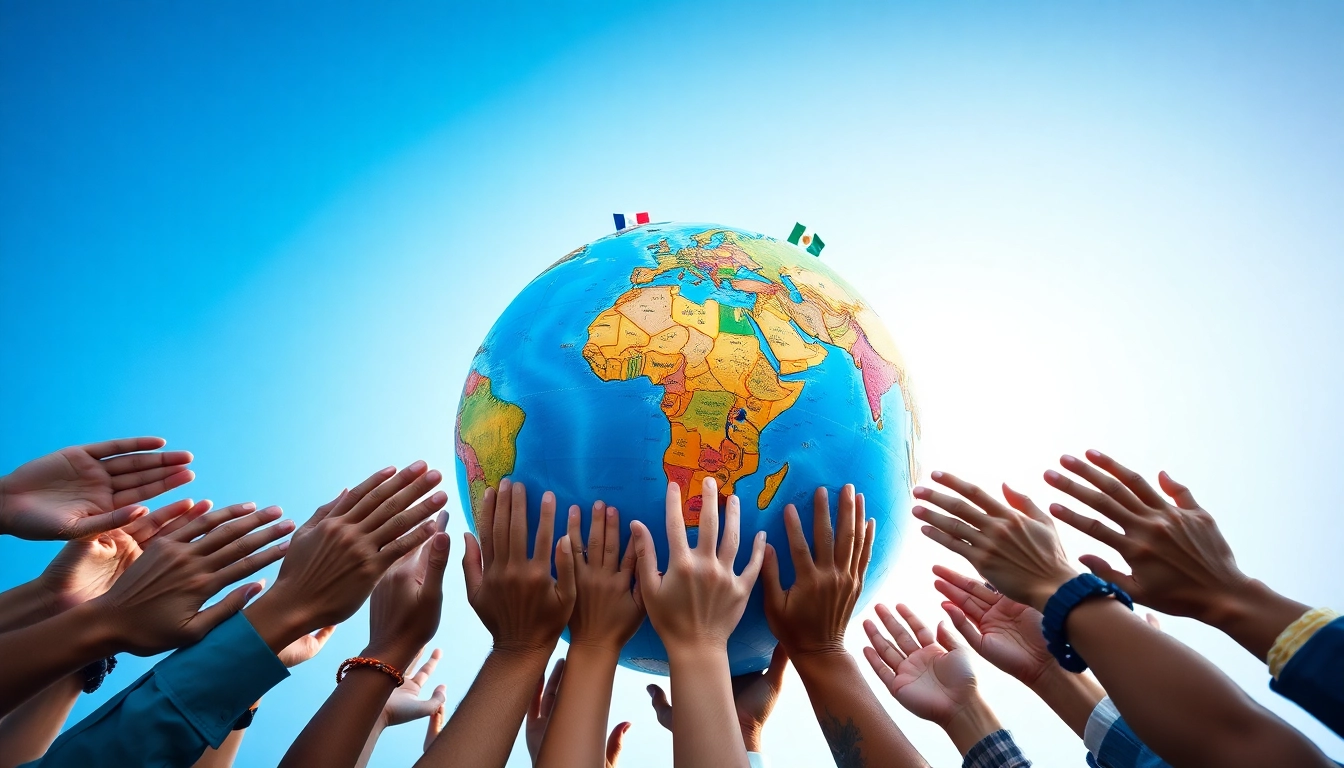
The term worldwide refers to something that encompasses or affects the entire globe. It implies a scope that is not limited to any specific geographical area but instead reaches across all nations and cultures. This broad definition is significant as it applies to various contexts, including economics, culture, health, and social issues, demonstrating the interconnectedness of our modern world.
Historical Context of the Term Worldwide
The word "worldwide" has evolved over centuries, originating from the combination of "world" and "wide". Historically, its use can be traced back to the early 17th century, reflecting the expanding nature of global trade and exploration. As societies began to interact more regularly and intensely, the necessity for a term that encapsulated global participation became apparent. The rise of international travel, the internet, and world communications has further entrenched the concept of worldwide in our lexicon, as more and more interactions cross traditional borders.
Current Global Usage of Worldwide
Today, "worldwide" is a term prevalent in various fields. In business, companies often reference their worldwide reach to demonstrate credibility and capability. In the context of environmental issues, "worldwide" signifies collective efforts to address challenges like climate change and pollution. Furthermore, globally coordinated campaigns, such as health initiatives to combat pandemics, further illustrate how "worldwide" has become integral to our discussions and actions at all levels—from local communities to international organizations.
The Importance of Worldwide Perspectives
Cultural Significance
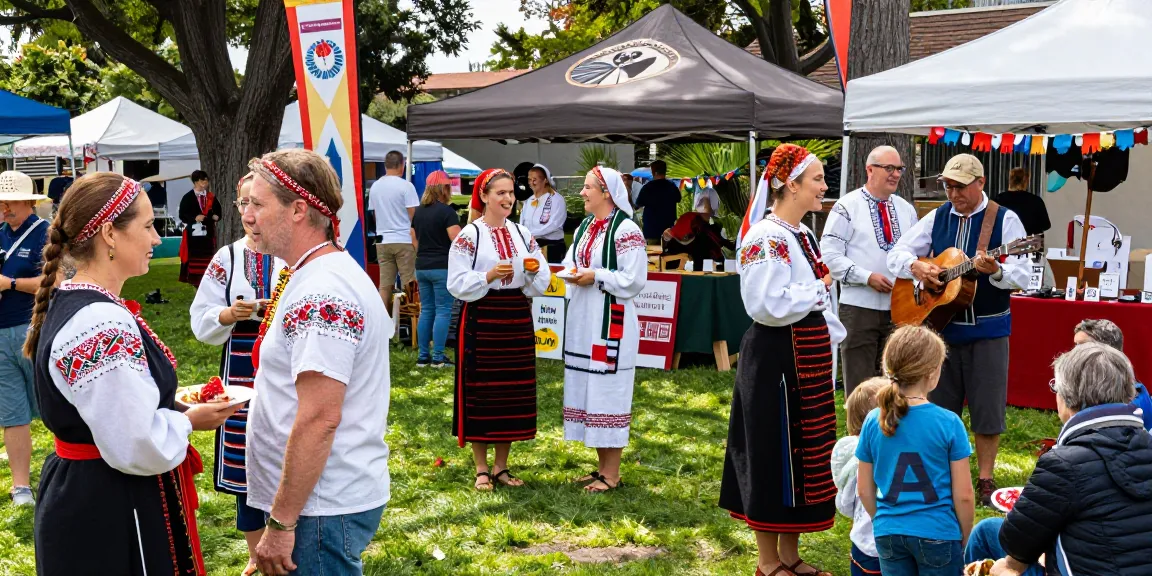
Understanding worldwide perspectives is crucial for fostering cultural appreciation and collaboration. In our globalized society, cultural exchanges have led to richer interactions and an enhanced understanding of diversity. Events like international film festivals, art exhibits, and culinary fairs highlight the significance of celebrating various cultures on a global scale. This cultural intermingling not only enriches individual experiences but also promotes peace and mutual respect among nations.
Economic Impact Worldwide
Economically, a "worldwide" viewpoint encourages businesses to expand their operations across borders, tapping into new markets to boost growth. Multi-national corporations utilize and adapt their strategies to fit local tastes while maintaining a global brand. This dynamic interaction spurs innovation, increases competition, and improves the standard of living in diverse regions. Notably, trade agreements and international partnerships are often formed to enhance economic ties, demonstrating the reciprocity found within worldwide practices.
Environmental Concerns on a Worldwide Scale
The environmental challenges faced today are indeed worldwide in scope, necessitating a unified global response. Issues such as climate change, biodiversity loss, and pollution transcend borders and require collaborative strategies for effective resolution. Initiatives like the Paris Agreement signify collective commitment to address these issues, underscoring how localized actions contribute to global benefits. Highlighting environmental stewardship on a worldwide stage fosters a greater sense of accountability and encourages sustainable practices across different cultures and economies.
Challenges Faced in Achieving Worldwide Initiatives
Political Barriers
Despite the potential benefits, numerous challenges hinder effective worldwide initiatives. Political barriers are among the most significant. National interests often compete with global needs, leading to hesitance or outright refusal to engage in collaborative efforts. Different governing structures, ideologies, and political climates create complex dynamics that must be navigated to streamline a unified approach to global issues. Achieving consensus is critical, yet the diverse political landscapes can make this exceedingly challenging.
Cultural Differences and Misunderstandings
Cultural diversity, while enriching, can also serve as a barrier to worldwide collaboration. Misunderstandings arising from differing values, communication styles, and social norms can create friction in international efforts. Education and awareness programs that emphasize cultural competence are essential to bridging these gaps, cultivating smoother interactions among diverse groups as they work towards common goals. By promoting dialogue and understanding, organizations can mitigate these challenges and enhance the effectiveness of worldwide initiatives.
Technological Limitations
Technology plays a pivotal role in facilitating worldwide interactions; however, disparities in access can pose significant challenges. Many regions, particularly in developing countries, lack adequate technological infrastructure, creating a digital divide that hampers participation in global initiatives. Efforts must be channeled into improving technology access and fostering digital literacy to empower these communities. Moreover, global endeavors should embrace inclusive technologies that are adaptable to varied regional capabilities.
Successful Worldwide Initiatives
Global Health Campaigns
Health campaigns have proven to be remarkably viable cross-border initiatives. Programs like the Vaccination Initiative illustrate the power of a cohesive worldwide response to health crises. These efforts ensure that vaccines are accessible across diverse regions, contributing to herd immunity and disease eradication. Collaborations between international health organizations and local governments exemplify effective strategies for implementing health campaigns on a worldwide scale, fostering systematic improvements in public health.
International Environmental Agreements
International environmental agreements have emerged as a cornerstone of global policy aimed at mitigating ecological challenges. The COP meetings, related to climate change, showcase nations coming together to negotiate actionable plans for reducing greenhouse gas emissions. Countries with differing economic statuses work towards cooperative frameworks that address global warming, demonstrating the effectiveness of worldwide commitment to sustainability. Successful implementation of these agreements often leads to significant progress on critical environmental hurdles.
Worldwide Educational Programs
Education is a powerful tool for fostering understanding and collaboration worldwide. Programs encouraging student exchanges, online learning initiatives, and collaborative research projects unite individuals from various backgrounds, cultivating a global mindset. Initiatives such as UNESCO’s Education for Sustainable Development exemplify how education can inspire global citizenship, encouraging learners to be stewards of both their local and global communities. As education continues to transcend borders, it becomes a vital mechanism for influencing change on a worldwide basis.
Future Prospects for Worldwide Collaboration
Emerging Technologies
Looking ahead, emerging technologies offer exciting possibilities for enhancing worldwide collaboration. Innovations such as artificial intelligence and blockchain have the potential to streamline processes and improve transparency in global initiatives. These technologies can foster connectivity, create efficient systems for resource sharing, and ensure equitable access to opportunities. As these technologies evolve, their application could significantly transform how collaborative efforts are structured and executed on a worldwide level.
Potential in Worldwide Governance
The concept of worldwide governance has gained traction, advocating for multinational cooperation to address global challenges. Initiatives promoting regulatory frameworks that encourage collaborative governance may become more prevalent as global issues continue to exacerbate. Concepts such as global taxation on carbon emissions are examples of potential innovations in worldwide governance that could enhance accountability and responsibility among nations. This movement towards collective governance is pivotal for maintaining a stable, sustainable future.
The Role of Youth in Shaping a Worldwide Future
The youth of today are instrumental in shaping a worldwide future. With unprecedented access to information and communication technologies, younger generations are more connected than ever before. Their engagement in global issues, advocacy for social justice, and participation in international forums indicate their commitment to addressing challenges on a worldwide scale. By leveraging their voices and ideas, young individuals can foster collaborations that inspire meaningful change and promote sustainability in diverse contexts.
FAQs About Worldwide
What does "worldwide" mean?
"Worldwide" describes something that involves or pertains to the entire planet, including all regions and cultures.
Why is a worldwide perspective important?
A worldwide perspective fosters understanding, cultural appreciation, and collaboration, ultimately leading to enhanced global cooperation.
What are common challenges to worldwide initiatives?
Common challenges include political barriers, cultural misunderstandings, and technological disparities that obstruct effective collaboration.
How can technology improve worldwide cooperation?
Emerging technologies can enhance communication, transparency, and resource sharing, facilitating smoother collaborations across borders.
What role do young people play in worldwide issues?
Young people are crucial in advocating for change and driving initiatives, utilizing their access to information for global engagement.